What are the Best Plants to Attract Pollinators?
Growing a pollinator garden that attracts bees, butterflies, and hummingbirds is beneficial for the environment and adds liveliness and beauty to your outdoor living space. Choosing the right perennials and shrubs can turn your garden into a retreat for these essential creatures. Here is a guide to the best plants for attracting pollinators, including specific varieties known to draw particular species.
What Attracts Pollinators to a Plant?
Certain plants are better at attracting pollinators due to their unique characteristics that cater specifically to the needs of bees, butterflies, hummingbirds, and other pollinating species. These plants typically have brightly colored flowers, rich in nectar and pollen, which serve as food sources. In addition, the shape and structure of the flowers play a crucial role; tubular flowers are ideal for hummingbirds, while flat or open blooms are more accessible to bees and butterflies. Plants that bloom continuously or have a long flowering season provide consistent nourishment, making them more attractive to pollinators. Native plants are often more effective at attracting local pollinators because they have co-evolved with them, offering familiar and beneficial traits that exotic species might lack.
Pollinator-Attracting Shrubs

Pollinators including bees, butterflies, and hummingbirds are drawn to a variety of shrubs that offer nectar, pollen, and habitat. Here are some top choices for your pollinator garden:
- Buddleia (Butterfly Bush): This shrub is famous for attracting butterflies, especially Monarchs, and other pollinators due to its abundant, nectar-rich flowers.
- Gardenia: Known for its fragrant flowers, gardenia attracts bees and butterflies.
- Deutzia: An excellent choice for attracting Monarch butterflies.
- Abelia: Attracts Monarch butterflies and hummingbirds with its long blooming period and tubular flowers.
- Weigela: This shrub's trumpet-shaped flowers are a magnet for hummingbirds and bees.
- Viburnum: Provides nectar and pollen for a variety of pollinators.
- Illex (Holly): Attracts bees with their small, nectar-rich flowers.
- Syringa (Lilac): Loved by butterflies and bees for its fragrant blooms.
- Caryopteris (Bluebeard): Attracts bees and butterflies with its late-summer blooms.
- Forsythia: Early spring flowers attract bees.
- Clethra (Summersweet): Highly attractive to bees and butterflies.
- Daphne: Known for its sweet fragrance and ability to attract bees and butterflies.
Monarch-Attracting Shrubs
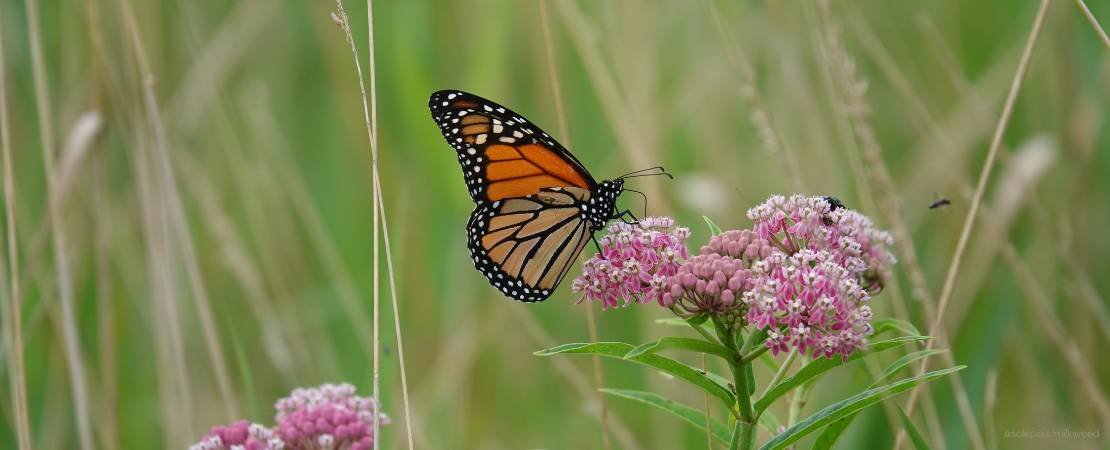
Monarch butterflies are particularly drawn to certain shrubs that provide nectar and habitat:
- Deutzia: Deutzia's dense clusters of small, nectar-rich flowers provide an excellent food source for Monarch butterflies, making it a delightful addition to any butterfly garden.
- Abelia: Abelia's long blooming period and fragrant, tubular flowers are perfect for attracting Monarch butterflies, offering sustenance throughout the growing season.
- Buddleia - Renowned for its vibrant, fragrant blooms that are irresistible to Monarch butterflies, buddleia provides ample nectar for their migration needs.
- Cercis (Redbud Tree): Early spring blooms attract Monarchs.
- (Buttonbush): A great choice for wetlands, attracting Monarchs and other butterflies.
SHOP POLLINATOR PLANTS Hummingbird-Attracting Shrubs
SHOP FLOWERING SHRUBS Hummingbirds are attracted to brightly colored, tubular flowers. Here are some shrubs that will bring these lively birds to your garden:
Rhododendron: Offers nectar-rich flowers that are highly attractive to hummingbirds because they provide a reliable food source. Abelia: With fragrant, tubular flowers that bloom throughout the season, abelia is a favorite for hummingbirds seeking nectar. Caryopteris: Produces clusters of blue or purple flowers that are particularly enticing to hummingbirds. Hibiscus syriacus (Rose of Sharon): Attracts hummingbirds with its large, colorful blooms. Weigela: Its trumpet-shaped flowers are an abundant source of nectar. SHOP POLLINATOR PLANTS Perennials That Attract Pollinators

Perennials are a fantastic addition to any garden, providing long-lasting beauty and attracting a variety of pollinators year after year.
- Asclepias (Milkweed): Asclepias, or Milkweed, attracts pollinators year after year with its abundant nectar and crucial role as a host plant for Monarch butterflies.
- Monarda (Bee Balm): Monarda, or Bee Balm, consistently attracts pollinators with its vibrant, tubular flowers rich in nectar.
- Echinacea (Coneflower): Echinacea, or Coneflower, is a magnet for pollinators thanks to its large, open blooms filled with nectar and pollen.
- Heuchera (Coral Bells): Heuchera, or Coral Bells, draws pollinators annually with its long-lasting, bell-shaped flowers and reliable nectar supply.
- Delosperma (Ice Plant): Delosperma, or Ice Plant, attracts pollinators with its bright, daisy-like flowers that bloom profusely.
- Geranium (Cranesbill): Geranium, or Cranesbill, provides a consistent nectar source with its extended blooming period, making it a pollinator favorite.
- Hosta: Hosta attracts hummingbirds with its tubular flowers, providing a reliable nectar source in shaded areas.
- Iris: Iris lures pollinators with its striking, intricate flowers and plentiful nectar.
- Lavandula (Lavender): Lavandula, or Lavender, is a perennial favorite for pollinators due to its fragrant, nectar-rich spikes of blooms.
- Nepeta (Catmint): Nepeta, or Catmint, consistently attracts pollinators with its aromatic foliage and long-lasting, nectar-rich flowers.
- Phlox: Phlox attracts pollinators with its clusters of fragrant, tubular flowers that bloom over an extended period.
- Sedum: Sedum is a reliable attractor of pollinators with its late-season blooms and abundant nectar.
- Thymus (Thyme): Thymus, or Thyme, draws pollinators year after year with its small, nectar-rich flowers and aromatic foliage.
- Veronica (Speedwell): Veronica, or Speedwell, attracts pollinators with its dense spikes of tiny, nectar-filled flowers.
- Delphinium: Delphinium's tall spikes of vibrant flowers provide a rich nectar source for pollinators.
- Papaver (Poppy): Papaver, or Poppy, attracts pollinators with its large, showy flowers and abundant pollen.
- Verbena: Verbena is a pollinator magnet with its clusters of small, nectar-rich flowers that bloom throughout the season.
- Isotoma (White Star Creeper): Isotoma, or White/Blue Star Creeper, attracts pollinators with its star-shaped, nectar-rich flowers that bloom prolifically.
- Amsonia (Blue Star): Amsonia, or Blue Star, lures pollinators with its clusters of sky-blue flowers and reliable nectar supply.
- Penstemon (Beardtongue): Penstemon, or Beardtongue, attracts pollinators with its tubular flowers and abundant nectar.
- Rudbeckia (Black-eyed Susan): Rudbeckia, or Black-eyed Susan, draws pollinators with its bright, daisy-like flowers and rich nectar and pollen.
SHOP POLLINATOR PLANTS Hummingbird-Attracting Perennials
For a garden filled with the vibrant activity of hummingbirds, consider these perennials: hosta, asclepias, hemerocallis (daylily), salvia (sage), lavender, phlox, and heuchera.
Roses and Pollinators
Roses, especially those with single petals and a strong fragrance, are excellent at attracting pollinators like bees and butterflies. Some types of roses to consider include:
- Groundcover Roses: Groundcover roses attract pollinators with their abundant, low-growing blooms that provide easy access to nectar and pollen.
- Shrub Roses: Shrub roses are highly attractive to pollinators due to their dense clusters of flowers, offering a plentiful and accessible nectar source.
- Fragrant Roses: Fragrant roses draw pollinators with their strong, enticing scent, which signals the presence of nectar-rich blooms.
- Climbing Roses: Climbing roses attract pollinators by producing large quantities of blooms across a wide area, creating an irresistible nectar feast.
- 'Knock Out' Roses: Single-petal varieties are particularly attractive to pollinators.Creating a Pollinator-Friendly Garden
SHOP POLLINATOR PLANTS To create a garden that attracts and supports pollinators:
Diverse Planting: Plant a variety of flowers that bloom continually and at different times to provide a continuous bloom throughout the growing season. This ensures that pollinators have a steady food source.
Avoid Pesticides: Pesticides can harm pollinators. Opt for organic gardening methods to protect these beneficial insects.
Provide Water: A shallow water source can attract pollinators. Add some stones or twigs for insects to rest on while they drink.
Habitat: Include plants that offer shelter and nesting sites for pollinators. Dense shrubs and native grasses can provide the necessary cover.
Welcoming pollinators to your garden is beneficial to your plants and adds lively activity to your garden, too. By incorporating a variety of pollinator-friendly perennials and shrubs, you create a healthy ecosystem that supports bees, butterflies, hummingbirds, and more.


