Choose Your Country

Gardeners have long known that native plants play an essential role in supporting pollinators, but what about cultivated varieties of those same plants? A new study out of Oregon State University (OSU) sheds light on this question, offering fresh insight for gardeners who want to create pollinator-friendly landscapes.
Led by researcher Jen Hayes, a recent graduate of OSU, the study compared native plants to their cultivated variety counterparts, known as cultivars, to see which types were more attractive to pollinators like bees, butterflies, and syrphid flies. Conducted over three years at the Oak Creek Center for Urban Horticulture in Corvallis, Oregon, this was the first long-term study of its kind focused specifically on pollinator behavior in the Pacific Northwest.
Native plants and local pollinators (bees, butterflies, hummingbirds) have evolved together, creating deeply linked relationships. Pollinators have specific flower preferences: bumblebees buzz-pollinate closed blooms, while hummingbirds seek tubular reds native species provide ideal food, nesting, and habitat year-round, outperforming non-natives—even when water availability is low.
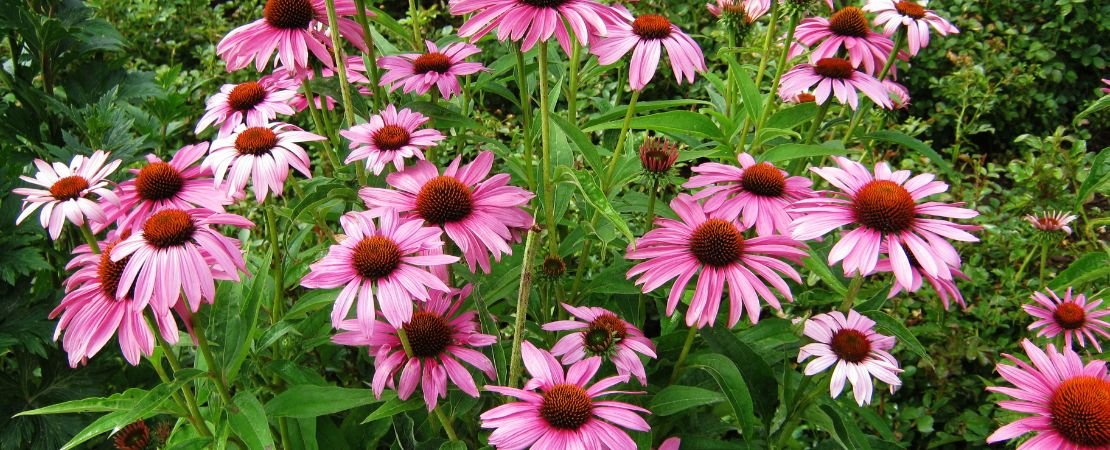
The results? Native plants were more frequently visited by pollinators about 37% of the time, while cultivars were preferred in only 8% of cases. In the remaining situations, there wasn’t a significant difference.
"We found that visitation is dependent on the specific pollinator group and the plant group," Hayes explained. "When we did see a difference in visitation rates, more often the native plant had a greater visitation rate than the cultivars."
That said, some cultivars performed quite well, especially those that had undergone minimal breeding modifications. For example, honeybees preferred certain cultivars of yarrow, and bumble bees showed a strong preference for cultivated Douglas aster. These examples show that not all cultivars are created equal in fulfilling the needs of pollinators.
One plant that stood out was Clarkia amoena (farewell-to-spring). Pollinators in five separate groups consistently preferred the wild version of Clarkia over its cultivated counterpart. Researchers believe this may be due to longer bloom times and more abundant flowering in the native species, providing pollinators with more opportunity to forage.
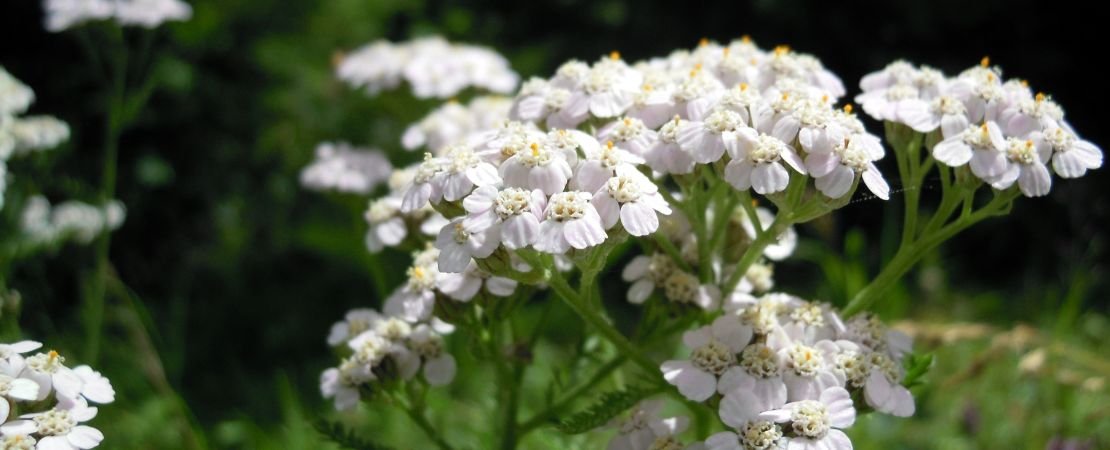
Creating a pollinator-friendly garden means offering a variety of plants that bloom across seasons, provide food and habitat, and require minimal intervention. Start by selecting species native to your region, as these are best adapted to support local bees, butterflies, and birds.
To make it easier, Jackson & Perkins offers a range of tools and collections:
By planting with purpose—and using tools tailored to your region—you create a landscape that feeds pollinators while conserving water and reducing chemical use. Whether you're starting with a small patch or converting larger spaces, these resources help you build a healthy, biodiverse garden that supports pollinators season after season.
For gardeners in the Pacific Northwest, this research suggests that including true native species in your pollinator garden can enhance its ecological value. However, it’s not necessary, or practical, to avoid cultivars altogether. In fact, cultivars can offer value, particularly when native options aren’t easily available or when specific garden goals call for unique flower colors, compact growth habits, or disease resistance.
"It’s not fair to villainize cultivars," Hayes noted. "There is intrinsic value to planting native plants in the landscape, but cultivars also have a place, especially when thoughtfully selected."
According to Signe Danler, instructor for the OSU Extension Service Master Gardener program, a cultivar is a plant that's been selected or bred for specific traits such as color, bloom time, or shape. While they are genetically uniform and lack the variability of wild natives, they are often easier to grow in traditional garden settings.
Danler points out that while cultivars are not appropriate for restoration projects, where genetic diversity is critical, they can still serve gardeners well in home landscapes.
It's important to note that these findings apply to a specific set of plants and pollinators in western Oregon, particularly the Willamette Valley, where many specialist pollinators are present. Results could vary in other regions or with different plant and insect communities. More research is needed to better understand how cultivars perform for pollinators in other parts of the country.
You don’t need a big yard to grow a pollinator-friendly garden. Whether you have a few containers or a large backyard, here are simple ways to make space for bees, butterflies, and hummingbirds:
For gardeners looking to support pollinators:
As Hayes puts it, "If someone wants to grow their favorite plant in every color, or a special cultivar that has personal meaning, who am I to tell them not to? Just aim for balance and biodiversity."
Hayes, J., et al. (2024). Native Plants vs. Cultivars: Pollinator Preferences in the Pacific Northwest. Environmental Entomology. Research conducted at Oregon State University’s Garden Ecology Lab. Funded by the Native Plant Society of Oregon, the Garden Club of America, and Sherry Sheng.
By Jackson & Perkins

