Choose Your Country

From the rose revolutions of the early 2000s to today's pollinator plant priority, garden trends evolve just like fashion, music, and tech. Let's take a scroll through time—and your flower beds—to see which perennial favorites, shrubs, and bulbs ruled the gardens of their day, and why they still matter now.
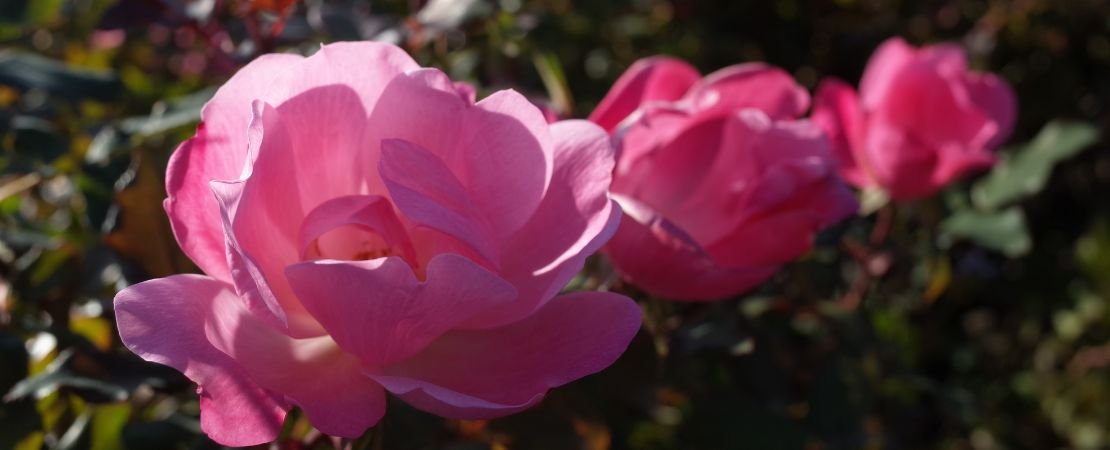
While everyone was burning CDs and buying first-gen iPods, hybridizers were making reblooming daylilies, bigger tulip blooms, and instilling resistant traits to make roses easy again.
These were the years of low-effort beauty—just like frosted lip gloss and low-rise jeans, garden trends leaned into easy, bold, and a little flashy. These early 2000s classics are still considered popular perennials in many modern landscapes.
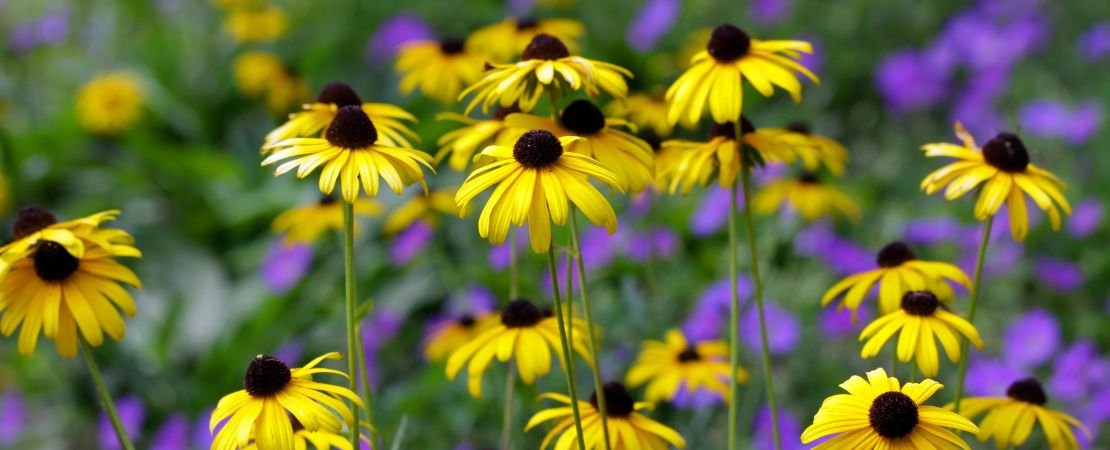
As Facebook connected friends and hybrid cars hit the road, gardeners got smarter about sustainability.
If you remember using a Motorola Razr phone, these were your garden's glory days—sophisticated with a nostalgic twist. Rudbeckia remains one of the most popular perennial flowers for its sunny appeal and pollinator-friendly nature.
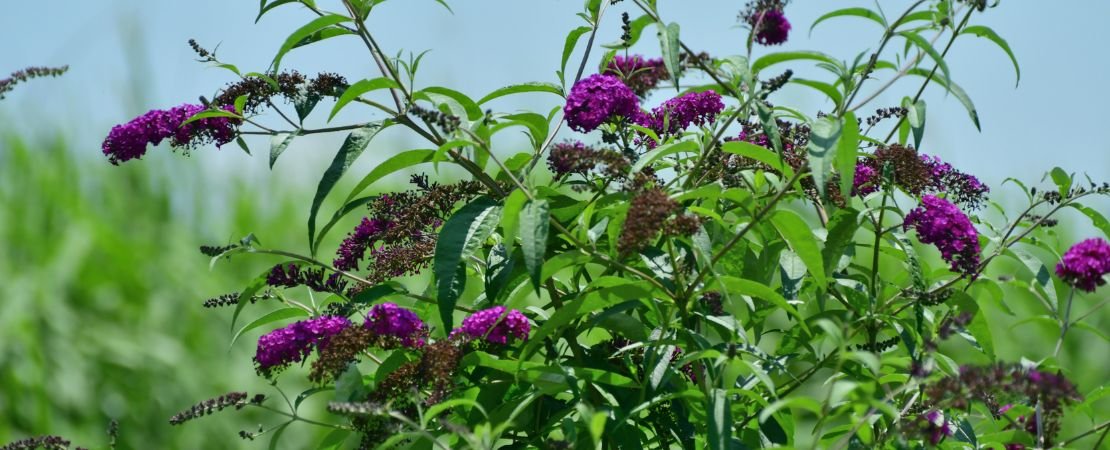
As Instagram filtered our selfies and "farm-to-table" became a lifestyle, gardens followed suit.
Just like sustainable fashion and farmers markets, these plants reflected a broader cultural shift toward environmental responsibility. Many of these have become modern perennial favorites for eco-conscious gardeners.
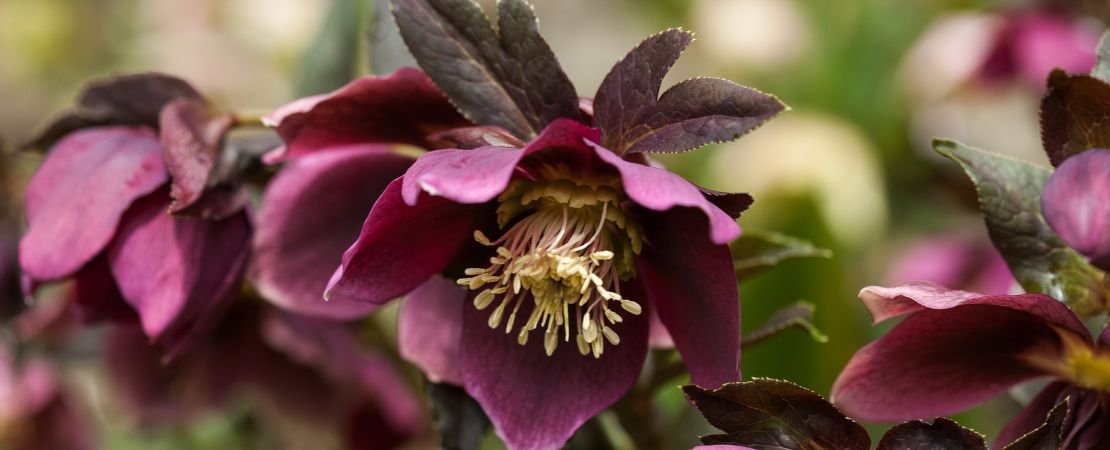
Tiny homes, big brows, and the KonMari method for tidying up—minimalism made impact.
In the Instagram era, photogenic blooms with staying power (and size-conscious roots) stole the show. Hellebores and lavender quickly rose to the top of lists of popular perennial flowers for beauty and practicality.
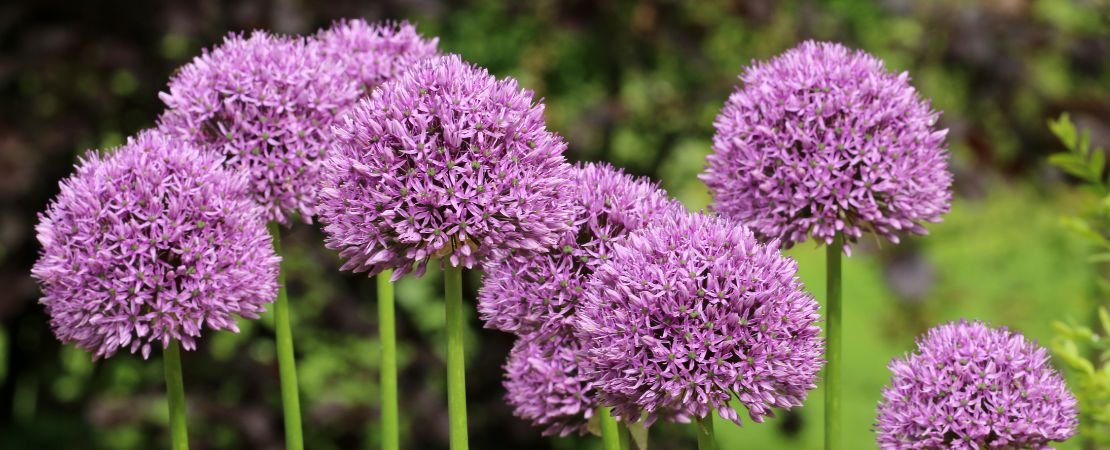
As we spent more time at home, our gardens became sanctuaries. Native plants and bold foliage reigned supreme.
Wellness gardening, habitat creation, and climate resilience became the new garden must-haves—like the meditation app on your phone or your air fryer. These newer trends helped showcase native plants into the ranks of popular perennials.
| Year | What We Loved | What We Want Now |
|---|---|---|
| 2003 | Knock Out® Roses | Native Roses (like Rosa carolina) |
| 2008 | Mass Plantings | Biodiverse Beds |
| 2012 | English Cottage Garden | Pollinator Corridors |
| 2016 | Dwarf Hydrangeas | Dwarf Natives |
| 2023 | Container-Ready Perennials | Wildlife-Supporting Perennials |
Today's gardeners crave plants that offer resilience, ecosystem support, and inspiration—many of which are now considered both popular perennials and important components of pollinator-friendly landscapes.
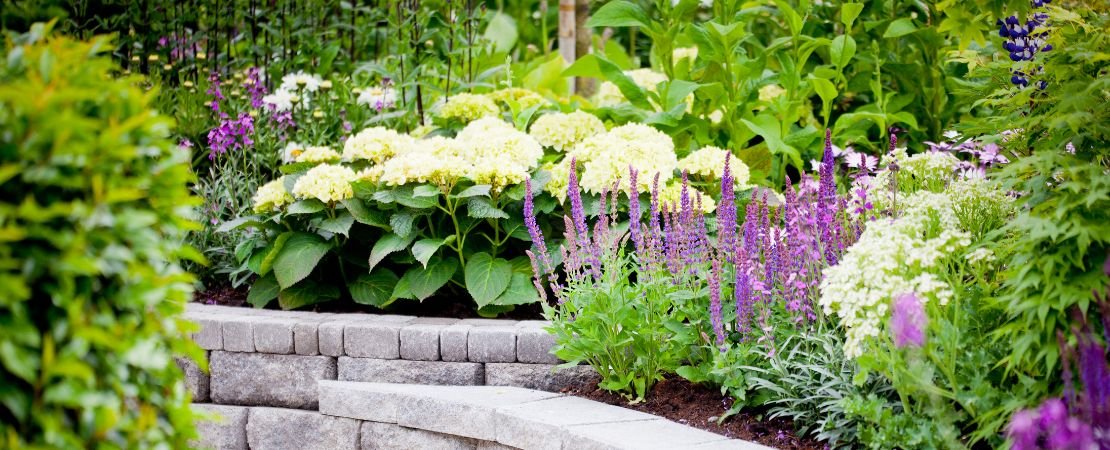
If you're reliving your first Knock Out® rose or just discovered the magic of milkweed, this evolution shows how far we've come—and how your garden can continue to grow with intention and creativity.
These selections reflect current purchase trends, search data, and customer interest—especially among U.S. gardeners.
Climbing roses are surging in popularity as more gardeners seek vertical color for small spaces, fences, and arbors. 'Kiss Me Kate™' delivers classic romantic beauty with strong fragrance—two highly sought-after qualities. With repeat blooming and vigorous growth, it's a terrific selection for gardeners who want high-impact performance with vintage charm.
Key Traits: Medium pink double blooms, strong fragrance, disease resistance, climbs up to 10 feet.
Color-shifting roses are trending for their dynamic visual appeal in the garden. 'Campfire' is especially popular in northern zones thanks to its Canadian Artist Series breeding—designed to handle cold climates without losing any flower power. Its ever-changing blooms—from yellow to pink to cream—create constantly evolving garden color.
Key Traits: Multicolor blooms, cold hardy to zone 3, compact size, low maintenance.
Gardeners are gravitating toward cheerfully colored, high-petal-count floribunda roses with strong disease resistance. 'Lemon Burst' fits that mood perfectly: sunny color, ruffled form, and nonstop blooms make it a feel-good favorite for beds, borders, and cutting gardens. It reflects the trend toward bold, uplifting garden colors.
Key Traits: Bright yellow, ruffled blooms with up to 100 petals, compact habit, slight fruity fragrance, strong performer in zones 5–9.
Just like our playlists have evolved from CDs to streaming and our selfies went from digital cameras to phone filters, our gardens have followed suit—reflecting the times, the trends, and what matters most to us. From the no-fuss roses of the early 2000s to today's pollinator havens and mood-boosting blooms, the plants we choose tell a story of style and substance.
Gardening in 2025 is about nurturing beauty with intention much more so than following trends. So go ahead—garden like it's your favorite era. Mix the nostalgia of a '90s mixtape with the freshness of today's eco-conscious gardening movement. If you're drawn to native selections or popular perennial flowers that thrive in containers, your soil is ready. Your garden is your stage—make it uniquely yours.
Written by Susan Humphrey for Jackson & Perkins

