Choose Your Country

In garden design, it's the details that define the experience. From the softness of a leaf to the spacing between each plant, every choice contributes to how your garden feels, functions, and grows. Color might catch the eye first, but it's texture, structure, and thoughtful planning that give the landscape its character, even when blooms aren't in season.
This guide explores the role of plant texture in garden design, how to plan your layout for beauty and balance, and answers to the most common garden design questions we hear from home gardeners every year.
Foliage is more than filler. In fact, texture often carries the visual weight of the garden, especially in the off-season. By choosing a range of textures—from bold to delicate—you create contrast, rhythm, and movement that make your garden feel full of life, even when not everything is in bloom.
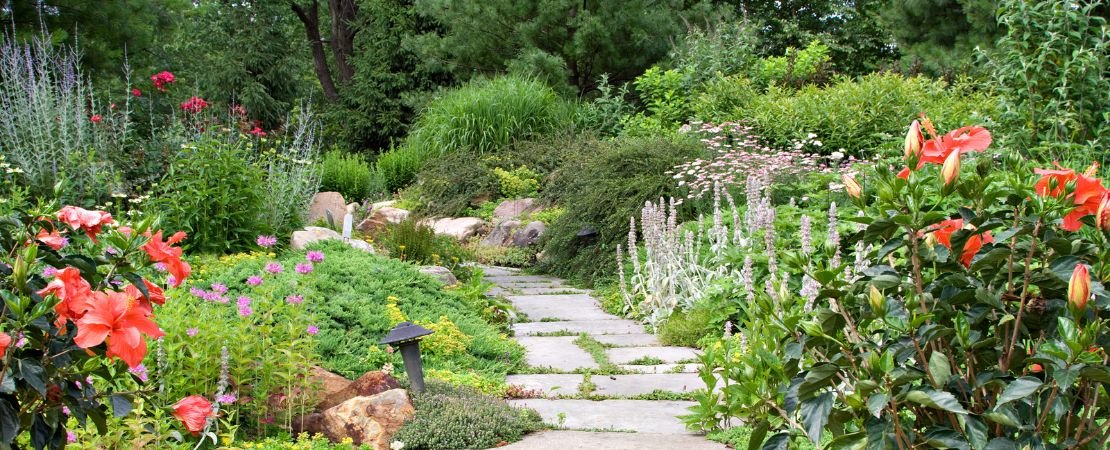
Design Inspiration: Try a planting of lamb's ear alongside coreopsis or Muhly grass. The soft silver leaves provide a visual counterpoint to fine-textured companions, creating harmony through contrast.
Thoughtful garden layout planning sets the stage for long-term success and satisfaction. A well-spaced, well-layered garden is easier to care for, more visually pleasing, and better for plant health overall.
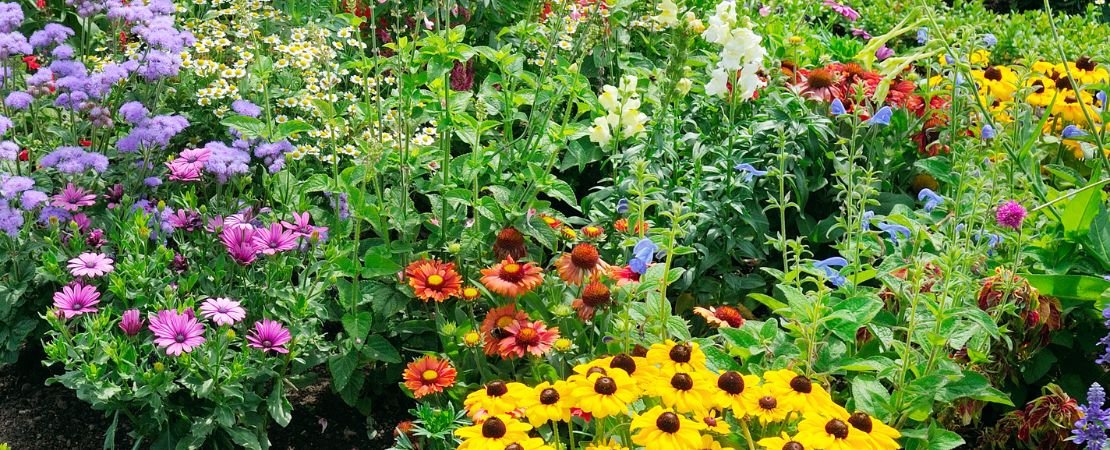
Design Tip: Repeating shapes, colors, or leaf textures throughout the space builds unity. Even in large or varied beds, repetition helps tie everything together.
A: Stagger bloom times by layering your planting:
Include foliage plants and ornamental grasses to provide structure between bloom cycles.
A: Start with texture or color. A single pairing, like purple salvia next to golden coreopsis, adds instant energy. For a more subtle approach, pair smooth foliage with feathery or crinkled textures.
A: Spacing depends on the variety:
A: Absolutely. Use a limited color palette and repeat key plants throughout. In a compact space, visual simplicity creates calm and makes the garden feel larger.
A: Choose materials that support your garden's tone—natural stone, wood, or weathered metal work beautifully. Repeating those materials in edging, containers, and pathways helps tie the space together.
A: Look for companions that share similar sunlight and soil needs:
These pairings enhance the beauty of roses without competing for attention.
Texture, foliage, and structure are what give a garden its depth. With every perennial plant you choose and every space you plan, you're building a landscape that will grow more beautiful over time. Practice patience because it's not about getting it perfect all at once—it's about making thoughtful choices that support the garden's rhythm, season after season.
At Jackson & Perkins, we've spent generations helping gardeners realize their garden dreams. We're here to provide the plants and knowledge to help you grow with confidence.

