Choose Your Country

Planting a biodiverse garden is much more than just a feast for the eyes—it's a strategy for a healthier, more vibrant, and sustainable landscape that supports the natural ecosystem. By incorporating a variety of plants, including roses, perennials, bulbs, herbs, and annuals, you create an environment that not only looks beautiful throughout the year but also supports the overall health of your garden and the broader ecosystem. Why diversity is key to a successful garden? Read on to learn more.
A diverse garden offers a constantly changing canvas of colors, textures, and forms. Roses provide stunning focal points with their large, showy blooms, while perennials contribute structure and long-lasting color. Bulbs like tulips and daffodils bring early spring cheer, herbs add greenery and fragrance, and annuals offer bursts of seasonal color that can be refreshed each year.
This variety ensures that your garden remains interesting throughout the year. By selecting plants with different bloom times, you can achieve continuous flowering from early spring to late fall, ensuring there's always something new to admire. Additionally, combining different plant types creates visual layers and depth, making your garden feel fuller and more dynamic.
Diversity in the garden also promotes plant health. Different species attract a variety of beneficial insects, such as pollinators and predators of common garden pests. For example, planting herbs like basil and lavender adds fragrance and attracts bees and other pollinators essential for the success of many flowering plants, including roses.
In addition, a thoughtful mix of plants can reduce the spread of diseases. Monoculture, or planting large numbers of the same species, can lead to problems if a pest or disease attacks, as it can quickly spread through the entire garden. However, in a diverse garden, the spread of disease is often limited because different plants have varying levels of susceptibility. This natural form of pest and disease control means less reliance on chemical treatments, which is better for both your plants and the environment.
A well-planned garden offers year-round interest and benefits, not just during the peak growing seasons. In winter, evergreens and the structural elements of shrubs and perennials provide a backbone that keeps the garden attractive even when many plants are dormant. Bulbs and early blooming perennials herald the arrival of spring, while summer is often dominated by the lush blooms of perennials and annuals. As fall approaches, late-blooming perennials (including roses that may have gone dormant in the heat of midsummer) and autumn foliage extend the season's beauty, ensuring your garden remains vibrant until your area’s first frosts.
Additionally, certain plants improve the soil and overall garden environment. For instance, legumes like peas and beans add nitrogen to the soil, benefiting surrounding plants. Herbs such as mint and marigold can deter pests, while deep-rooted perennials like echinacea can help break up compacted soil and improve drainage.
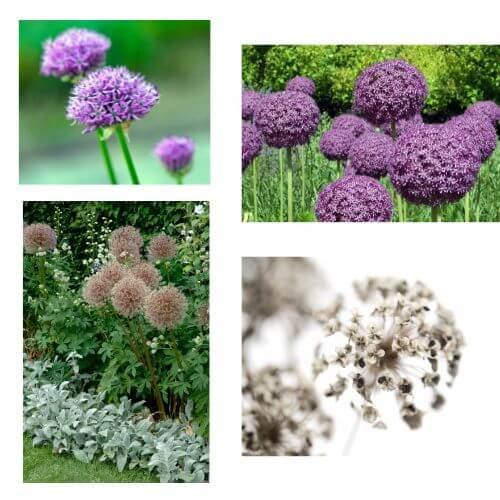
Spring: Allium bulbs burst into life with tall, globe-like clusters of small purple, white, or pink flowers, adding height and interest to any garden.
Summer: As the blooms mature, their spherical heads create a striking architectural element even as the color fades.
Fall: The seed heads of allium remain intact, adding texture and unique shape to the autumn landscape.
Winter: Dried allium heads stand tall, adding sculptural beauty to a winter garden, often dusted with frost or snow.
Spring: While typically blooming in cooler months, some varieties of cyclamen emerge in spring with delicate, upswept petals in shades of pink, red, and white.
Summer: Cyclamen goes dormant in summer, allowing other plants to take center stage while it rests.
Fall: Fall-blooming cyclamen are show-stoppers with their butterfly-like flowers and intricately patterned, heart-shaped leaves.
Winter: Hardy cyclamen continue to bloom in mild winters, bringing color when most other plants are dormant.
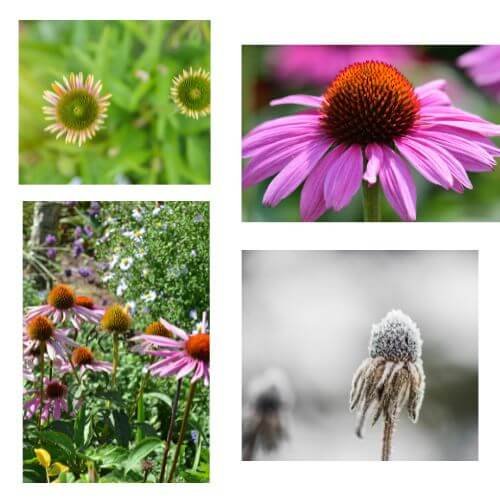
Spring: Echinacea starts the season with a rosette of vibrant green leaves, preparing for its summer bloom.
Summer: The plant’s large, daisy-like flowers with prominent, cone-shaped centers attract pollinators with bright pink, purple, and orange petals.
Fall: As the petals drop, the spiky seed heads add texture and provide food for birds, extending garden interest.
Winter: Dried seed heads create a bold silhouette in the winter garden, particularly when dusted with snow.
Spring: New growth of green, arching leaves forms a graceful fountain shape that sets the stage for summer blooms.
Summer: Pennisetum's fluffy, bottlebrush-like flower spikes in shades of pink, purple, or tan sway elegantly in the breeze.
Fall: The flower spikes persist into fall, while the foliage turns to a warm gold or burgundy hue.
Winter: Dried flower spikes and graceful arching stems add movement and texture, standing out against frost and snow.
Spring: Sedum starts with fleshy, succulent leaves in green, blue, or burgundy, creating a textured foundation.
Summer: Small, star-shaped flowers appear in dense clusters, usually in shades of pink, red, or yellow, attracting pollinators.
Fall: As temperatures drop, many sedum varieties turn bronze or red, and their dried flowers remain upright.
Winter: Sedum’s sturdy structure and dried flower heads provide lasting winter interest, often standing strong even under snow.
Spring: Euphorbia blooms early with bright yellow or chartreuse flowers, adding a splash of neon-like color to the garden.
Summer: The plant’s intricate foliage, often variegated or with unique color patterns, provides visual interest.
Fall: Many varieties take on reddish or purple hues in fall, adding depth and richness to garden color schemes.
Winter: Evergreen euphorbias maintain their structure and offer striking green tones against the winter landscape.
Spring: Peonies burst forth with lush, fragrant blooms in a variety of colors, from soft pink to deep crimson.
Summer: After blooming, the peony's dark green, glossy foliage remains lush and provides a backdrop for other plants.
Fall: The foliage turns rich bronze or burgundy in fall, adding a warm tone to the garden.
Winter: While dormant in winter, the dried stems and seed pods can provide structure if left standing.
Spring: New leaves emerge with a variety of colors, from bright green to deep purple, creating a dynamic display.
Summer: The delicate, finely cut leaves offer shade and beauty, often with a vibrant green or red hue.
Fall: Japanese maples are renowned for their brilliant fall colors, from fiery oranges to deep reds, offering a breathtaking display.
Winter: The intricate branching structure provides interest, with some varieties showcasing brightly colored bark.
Spring: Evergreens maintain their rich green color year-round, offering structure and contrast against new growth.
Summer: Their consistent greenery provides a lush backdrop and shade, making them a garden staple during the growing season.
Fall: As other plants fade, evergreens stand out, offering a sense of permanence and life in the garden.
Winter: In winter, evergreens are particularly valuable, maintaining their verdant hues and providing structure against snow and ice.
Spring: Holly produces shiny, dark green foliage that sets the stage for the red berries to come.
Summer: The foliage remains lush, and small white flowers appear, adding a subtle beauty to the garden.
Fall: The iconic red berries develop in fall, contrasting beautifully against the dark leaves.
Winter: Holly’s evergreen leaves and red berries offer a classic winter look, often used in holiday décor.
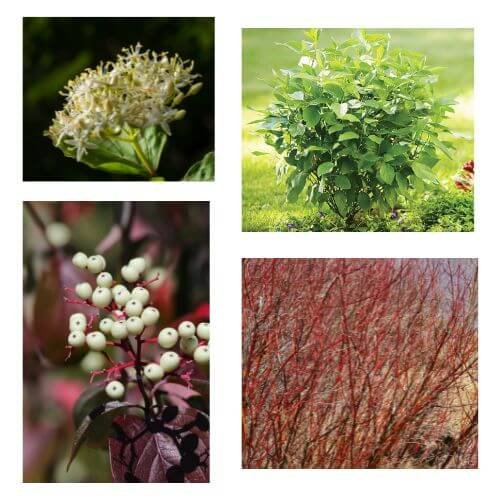
Spring: Dogwoods are famed for their striking early spring blooms, with large white, pink, or red flowers.
Summer: The green foliage remains vibrant and healthy, offering shade and beauty.
Fall: Dogwoods turn a rich red or purple in fall, adding a bold splash of color.
Winter: In winter, some varieties of dogwood reveal striking red or yellow bark, offering visual interest in the snowy landscape.
Spring: The Burning Bush features fresh green leaves that set the stage for the bold transformation ahead.
Summer: The dense foliage provides structure and greenery throughout the hot months.
Fall: Known for its dramatic fall color, the bush turns a fiery red, creating a vivid focal point in the garden.
Winter: The bush’s bare branches add texture and structure, standing out against winter snow.
Spring: Large, showy clusters of flowers in purple, pink, or white make rhododendrons a springtime standout.
Summer: After blooming, the plant’s dense, evergreen leaves remain lush and attractive.
Fall: The foliage holds steady through fall, providing consistent greenery.
Winter: Evergreen varieties retain their leaves, offering color and structure during the colder months.
Spring: Elegant, slender leaves and delicate blooms in shades of purple, blue, and white emerge, adding grace to any garden.
Summer: The tall, sword-like foliage remains attractive after the flowers fade, adding vertical interest.
Fall: Foliage turns golden, creating a soft glow in the autumn landscape.
Winter: The dried seed pods and leaves provide texture and structure to the winter garden.
Spring: A carpet of vibrant, star-shaped flowers in pink, purple, or white cascades over rocks and borders, brightening up early spring.
Summer: After flowering, the evergreen foliage remains attractive, covering the ground with a lush green mat.
Fall: The evergreen leaves persist, keeping the garden lively as other plants fade.
Winter: Creeping phlox holds its green color through the winter, providing coverage and texture in otherwise barren spots.
Spring: Bergenia blooms with clusters of bright pink or red flowers that stand tall above the glossy, heart-shaped leaves.
Summer: The bold, leathery leaves remain deep green and provide texture to the garden.
Fall: Bergenia’s foliage turns bronze or red, offering a striking contrast to other fall colors.
Winter: The leaves often persist, turning a deep burgundy in cold weather, adding color and interest to the winter garden.
A diverse garden also plays a crucial role in supporting local biodiversity. By planting a variety of species, you create a habitat that supports a wide range of wildlife, from insects and birds to small mammals. This biodiversity is essential for a balanced ecosystem, where each species plays a role in maintaining the health of the environment.
Moreover, a garden rich in plant diversity can better withstand environmental stresses, such as extreme weather conditions. Different plants respond differently to changes in temperature, moisture, and other factors, so having a variety ensures that some plants will always thrive, regardless of the conditions.
Incorporate a variety of plants into your garden for visual appeal and for building a healthier, more resilient, and sustainable garden.

