Choose Your Country
Climbing roses have long canes that will be covered with blooms, perfect for covering an arbor, climbing up a trellis, or as a floral canopy for your pergola. The long, flexible canes can reach impressive heights of 8-20 feet, making them ideal for creating dramatic vertical displays and transforming ordinary garden structures into spectacular focal points.
Whether you're looking to add height to your garden or cover existing structures, climbing roses offer unmatched versatility. Train them over arbors to create romantic floral archways that welcome visitors with cascades of blooms and fragrance. Use trellises to guide climbing roses upward along walls and fences, or let them create natural overhead coverage by growing across pergola tops for a living ceiling of beautiful flowers.


@Recommendation.Title
$@Recommendation.Price

John F. Kennedy Rose Collection
$119.95

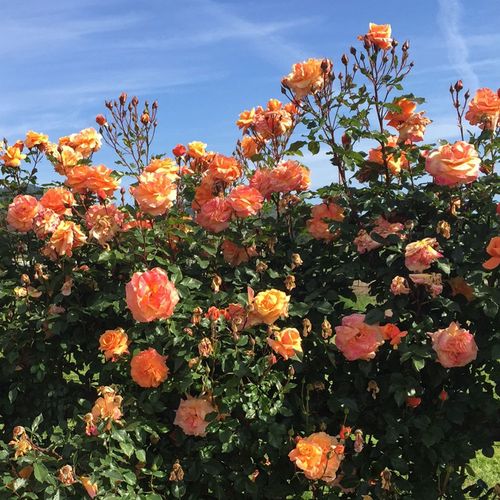




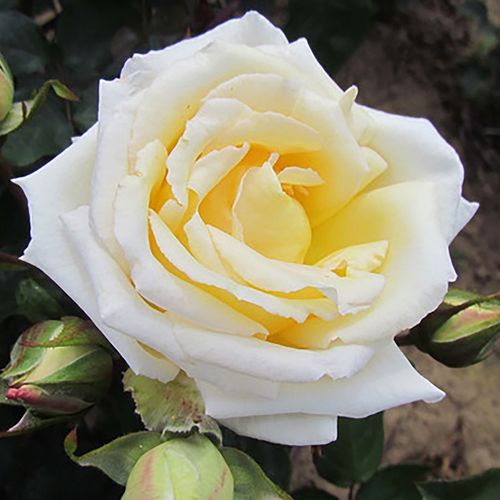


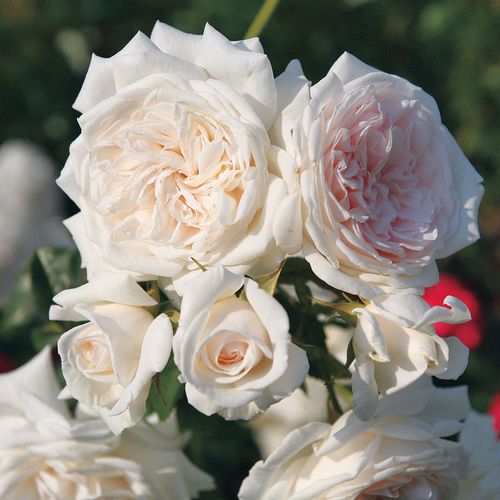




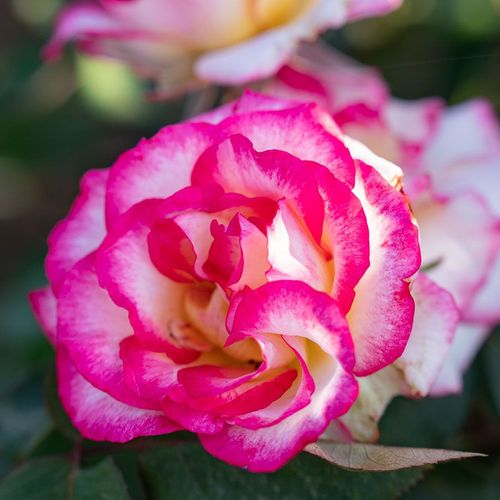
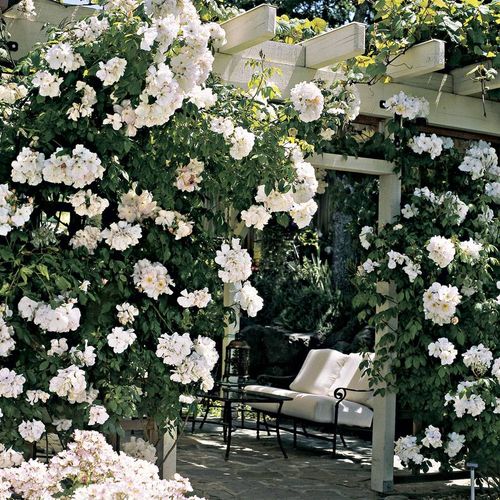


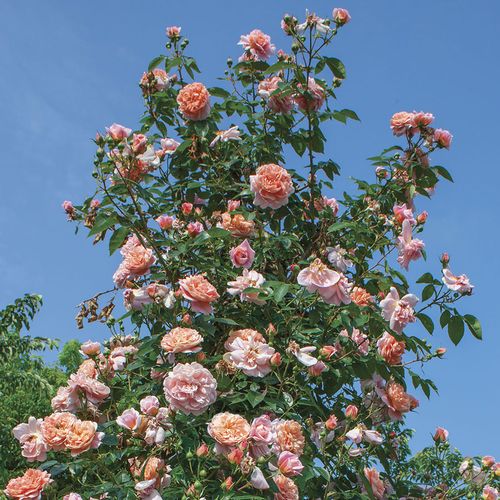
Climbing roses are also called crawling roses for a very practical reason. Plant your climbing rose next to a low wall or fence and your rose will crawl along the fence and eventually cover the fence. The flexible canes don't just grow upward, they naturally spread horizontally along structures, adapting to whatever support you provide. Over time, your rose will crawl along the entire length of a fence or wall, covering it completely with lush foliage and abundant blooms. This crawling habit makes them incredibly versatile for landscape design. Whether you want coverage that goes up, across, or both, climbing roses adapt to your garden's needs. You can train them to grow vertically up a post, horizontally along a fence line, or in any direction that suits your space.
The secret to climbing roses' versatility lies in their long canes. Unlike shrub roses that grow in a compact form, climbing roses produce vigorous canes that can extend 10-15 feet or more in a single season. These canes become covered with blooms along their entire length, giving you maximum flower power for your garden space. The more canes you can spread out horizontally, the more blooming shoots will develop, resulting in an even more spectacular display.
Choosing the right climbing roses for your landscape starts with understanding how each climbing rose bush grows and blooms. Some varieties reach only eight feet in length, making them ideal for smaller trellises or fences, while others produce vigorous canes that can stretch 20 feet or more—perfect for pergolas, arbors, and larger garden structures. Taking time to research mature size will help ensure your climbing roses fit your space and design goals.
Bloom timing is another important factor when selecting climbing roses for sale. Most climbing rose bushes deliver their heaviest flush of flowers in spring and again in fall. While they continue to bloom throughout the summer, flowering is typically lighter during the hottest months. Because of this growth pattern, many gardeners pair their climbing roses with a clematis vine, which blooms more heavily in summer and provides continuous color when rose blooms slow down.
With proper planning, placement, and support, a well-chosen climbing rose bush can become a breathtaking focal point—adding height, fragrance, and a cascade of blooms that transforms fences, walls, and garden structures into living works of art.

