Choose Your Country

Fall is a crucial season for garden maintenance, particularly for pruning. Knowing what plants, shrubs, and trees to prune in fall ensures your garden not only survives but thrives when spring arrives. Pruning at the right time enhances growth, prevents diseases, and helps shape your garden. Below is an exhaustive guide to what should be pruned in fall, why, and how it benefits the plants.
Pruning in the fall can be beneficial for several reasons:
Disease Prevention: Dead or damaged limbs can harbor diseases and pests. Removing these reduces the risk of spreading issues during the dormant season.
Growth Management: Some plants need to be pruned in fall to control their size or shape, ensuring that they grow more vigorously next season.
Promote Flowering and Fruiting: Proper pruning can help direct a plant's energy toward more productive growth, increasing blooms and fruit.
Of course, we’ll lead with advice about roses. Because opinions differ depending on climate, rose variety, and specific goals. Here's a comprehensive look at the fall rose pruning guidelines from a few of our favorite, reliable sources including our in-house experts:
The American Rose Society generally advises that heavy pruning be done in late winter or early spring, as this is when most roses are dormant and can handle significant pruning without harm. However, light pruning in the fall can be beneficial in climates prone to heavy winter winds. This type of pruning prevents canes from being damaged or broken during storms, but it's recommended to leave major pruning for the spring.
Martha Stewart agrees that fall pruning should be minimal. She suggests trimming roses in fall only to remove dead or diseased wood and reduce the height of roses that are at risk of wind damage. This is especially
important for hybrid teas and > climbing roses In areas with harsh winters, the Portland Rose Society advises a conservative approach to fall pruning. They suggest cutting back tall canes slightly to prevent winter damage, but otherwise leaving roses alone to go
into dormancy naturally. Heavy pruning in fall can stimulate growth, which can make the plant more vulnerable to winter damage. For climbing roses, it's recommended to remove any weak or crossing canes in the fall,
but major pruning should be postponed We, at Jackson & Perkins, emphasize that while some roses can benefit from light trimming in the fall, heavy pruning should be avoided until spring. Our guide highlights that removing spent blooms and damaged
wood is acceptable, but roses need as much foliage as possible going into the dormant season to build up energy reserves for spring growth. For climbers and shrub roses, minimal fall pruning is encouraged
Following these guidelines ensure your roses are protected over winter and ready to thrive in spring.

Why Prune in Fall: Fall is ideal because the sap levels are low, reducing the risk of excessive bleeding, which can be detrimental to the tree.
Benefits: Pruning maples in fall helps maintain shape and size, removes any dead or crossing branches, and promotes a healthy structure.
Pruning Tips: Remove dead, diseased, or damaged branches first. Then, thin out crowded areas, making sure to cut back to a branch collar (the swollen area where the branch meets the trunk).
Why Prune in Fall: Pruning oak trees in fall, especially during the dormant season, reduces the risk of oak wilt, a deadly fungal disease.
Benefits: Encourages a healthy canopy, reduces the risk of storm damage, and helps young trees establish a strong framework.
Pruning Tips: Cut back to the main trunk or a large branch. Avoid "topping" the tree, which can lead to weak growth.

Why Prune in Fall: Some hydrangeas, like panicle and smooth hydrangeas, flower on new wood, making fall pruning ideal to encourage robust blooms next year.
Benefits: Promotes larger blooms and shapes the shrub.
Pruning Tips: Cut back to just above a node, where new growth will emerge. Remove spent flower heads, cutting back about one-third of the plant's height.
Why Prune in Fall: Fall pruning helps prevent it from becoming leggy and encourages vigorous growth in the spring.
Benefits: Improves the shape and size, ensuring more prolific blooms.
Pruning Tips: Cut the entire bush back to about 12-18 inches above the ground. Remove any dead or crossing branches.
Why Prune in Fall: Removing the foliage in fall helps prevent diseases such as botrytis from overwintering and infecting new growth.
Benefits: Reduces the risk of disease and promotes healthy growth.
Pruning Tips: Cut all foliage back to the ground and discard (do not compost), as peony leaves can carry disease.
Why Prune in Fall: As daylilies go dormant, cutting back the foliage prevents pests and disease from finding a winter home.
Benefits: Clears the bed for fresh spring growth.
Pruning Tips: Trim back to about 4-6 inches above the soil. Remove any dead or yellowing leaves.
Why Prune in Fall: Pruning lavender in early fall helps maintain its shape and encourages new growth.
Benefits: Prevents the plant from becoming woody and leggy, leading to more vibrant blooms.
Pruning Tips: Cut back about one-third of the plant's growth, avoiding cutting into the woody stems. Focus on shaping the plant into a neat mound to protect it from winter damage.
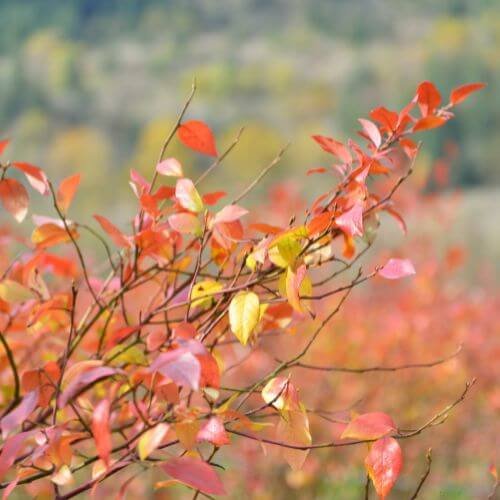
Why Prune in Fall: Fall-bearing varieties benefit from pruning after harvest, as it removes old canes that will not produce again.
Benefits: Prevents disease, encourages better air circulation, and promotes stronger fruiting canes.
Pruning Tips: Cut back the canes that have borne fruit to ground level. Thin remaining canes to 4-6 inches apart.
Why Prune in Fall: While significant pruning should be done in late winter, light pruning in fall can help remove damaged branches.
Benefits: Reduces the risk of disease and prepares the bush for winter dormancy.
Pruning Tips: Remove dead or weak branches. Focus on cutting back any branches that cross over each other.
By following these tips on what to prune in fall, you'll set your garden up for a healthy, thriving start in the spring. Proper pruning techniques will encourage growth, minimize disease, and make your garden look its best year-round.

