Choose Your Country

Bourbon roses are often what gardeners hope an old garden rose will be when they order one for the first time: fragrant, full-petaled, and willing to bloom beyond a single spring show. The class has been in cultivation since the 1820s, and the best varieties still justify the space they take up.
Before you plant one, it helps to know where the class shines and where it asks for patience. This guide covers what defines Bourbon roses, why collectors still seek them out, which varieties are most useful to know by name, and what kind of care they ask in return. If you are already shopping the category, our Old Garden Roses collection is the natural place to keep the comparison going.
A Bourbon rose combines four traits that rarely land together in one old garden class: strong fragrance, full flower form, vigorous growth, and repeat bloom through the season. That combination is why Bourbon roses still come up whenever gardeners start talking about old roses they would grow again.
Flower form ranges from tightly quartered and flat to deeply cupped, depending on the variety. Petal counts are usually high, often 40 to well over 100 petals per bloom. Colors stay mostly in the warm old-rose range, pink, rose, crimson, blush, and occasional stripes, with a few creamy whites in the mix.
Habit is less uniform than many newer gardeners expect. Some Bourbons stay fairly upright and shrub-like in the 4 to 5 foot range. Others throw long, lax canes that behave more like climbers once you give them a fence, pillar, or arbor. That flexibility is part of the class appeal. A Bourbon can read as a border shrub in one garden and a trained climber in another.
Bourbon roses originated on the island then called Ile Bourbon, now Reunion, in the Indian Ocean around 1817. The accepted account is that a natural cross took place there between an Autumn Damask and a China rose, two classes that were already being grown nearby as hedging and garden plants.
That parentage explains almost everything gardeners notice about the class. Damask ancestry brought fragrance, substance, and the heavy-petaled flower form. China ancestry brought repeat bloom, the trait that made Bourbons so important when many European roses still bloomed only once.
French rosarians recognized the potential quickly. Bourbon roses entered European gardens in the 1820s and became one of the defining rose classes of the mid-19th century. Several varieties from that period are still grown, still discussed, and still judged against modern introductions on their own merits.
Fragrance is the first reason. Among repeat-blooming old roses, Bourbons can be exceptionally scented, the kind of scent that travels beyond the bloom itself and hangs in the air when the weather is mild. For gardeners who cut roses for the house, that is not a side benefit. It is the whole point.
Bloom form is the second reason. Many modern roses have traded some complexity for cleaner foliage, tighter habits, or stronger disease performance. Bourbon roses go in the other direction. The blooms are densely petaled, often quartered or cupped, and they carry the kind of old-rose geometry that still stops people in their tracks.
The class is also more flexible than it gets credit for. A shrub like Louise Odier fits comfortably in a mixed border, while Zephirine Drouhin can cover a fence or pillar with much more personality than a generic climber. And because Bourbons repeat bloom, they stay in the conversation well past the first flush.

The class includes plenty of collector favorites, but not every Bourbon earns the same attention in a modern garden. Some still perform well enough to recommend broadly. Others stay in the conversation because they show the class at its best, even if they need a patient gardener and the right site.
If you are narrowing the field, start by deciding how you want to use the rose. Do you need a shrub for the border, a climber for a support, or a strongly scented old rose for cutting? That decision does more to simplify the category than memorizing names ever will.
Louise Odier is one of the most dependable Bourbon roses for gardeners who want repeat bloom without wrestling an oversized plant into place. It grows as an upright shrub around 4 to 5 feet tall, carries densely quartered pink flowers, and is strongly fragrant. It also tolerates partial shade better than many roses in the class, which helps in older gardens where full all-day sun is not an option. If you want more background on this variety in particular, our post on Louise Odier's revival is worth reading alongside this guide.
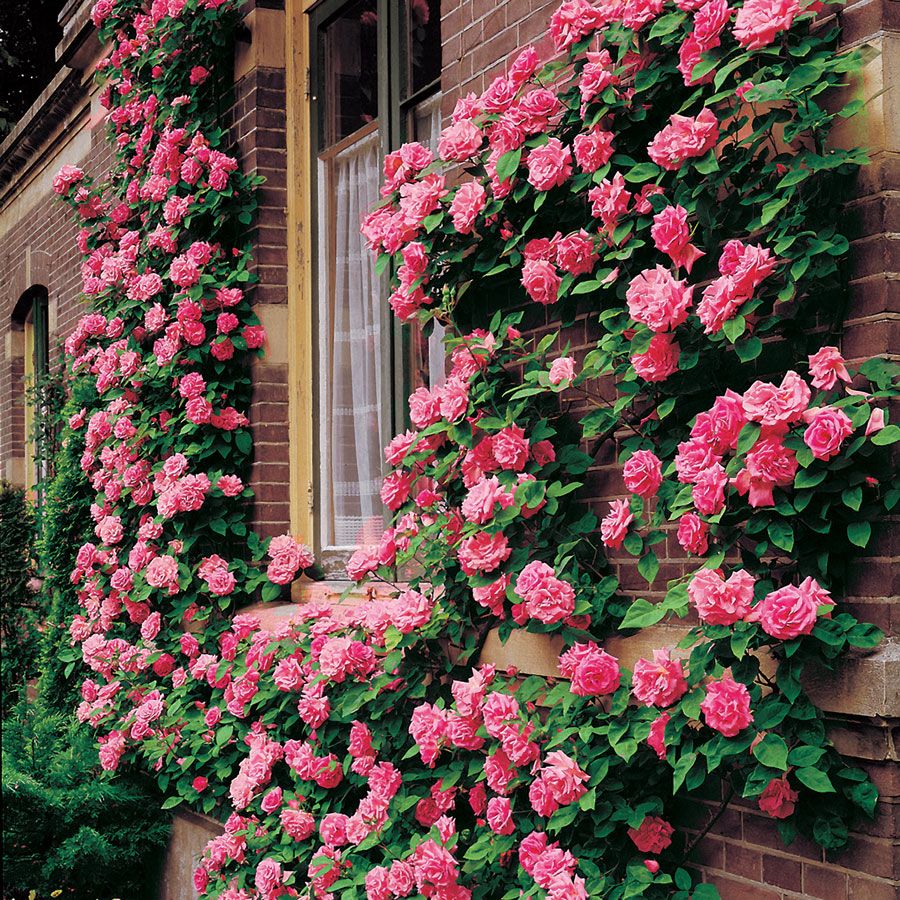
Zephirine Drouhin is the Bourbon rose most gardeners recognize by name, and for good reason. It is a climbing Bourbon with cerise-pink semi-double blooms, strong sweet fragrance, and thornless canes, a rare combination that makes it especially practical near paths, entries, and seating areas. Give it support and room, and it can easily reach 8 to 12 feet.
Madame Isaac Pereire is the variety people bring up when the conversation turns to fragrance alone. The blooms are large, deep rose pink, and famously scented, often described with raspberry notes layered into the usual old-rose perfume. It also asks for real air circulation and enough room to keep the canes from turning into a congested tangle. This is not the Bourbon to squeeze into the wrong spot and hope for the best.
Souvenir de la Malmaison is one of the more refined-looking Bourbons, with flat, tightly quartered blush blooms and a spicy fragrance that feels quieter but no less distinctive. It is also one of the better fits for smaller spaces, usually staying more compact than the big arching shrubs. In rainy climates, though, the blooms can ball. That trait is manageable if you know it going in, but it should shape the decision.
A quick side-by-side comparison helps if you are balancing fragrance, habit, and where the plant has to fit. These are not interchangeable roses, and that is exactly why the class remains interesting.
| Variety | Habit | Fragrance | Bloom Form | Size | Best Use |
|---|---|---|---|---|---|
| Louise Odier | Upright shrub | Strong | Cupped, quartered | 4 to 5 ft | Border, partial shade |
| Zephirine Drouhin | Lax climber | Strong, sweet | Semi-double, cerise pink | 8 to 12 ft | Fence, pillar, thornless coverage |
| Madame Isaac Pereire | Large arching shrub or climber | Very strong | Large, quartered | 6 to 8 ft | Back of border, pillar |
| Souvenir de la Malmaison | Compact shrub or climber | Spicy-sweet | Flat, quartered, pale blush | 3 to 6 ft | Smaller border, container, cottage planting |
Bourbon roses grow best in full sun, steady moisture, and a spot with enough air movement to dry the foliage quickly. Six hours of direct sun is the practical minimum. More is better if you want stronger repeat bloom and less disease pressure.
Soil should drain well while still holding enough moisture to keep the plant from cycling between dry stress and saturation. Work compost into heavy ground before planting, and do not crowd the rose. Shrub forms need about 3 to 4 feet of clearance. Climbing forms need support and enough wall, fence, or arbor space to mature without folding back into themselves.
Feed in early spring as new growth begins and continue through late summer on a regular schedule. Deadheading helps, especially on repeat-blooming selections that will keep pushing flushes if they are not spending energy on hips. If you are deciding between dormant and potted stock, our guide to bare root and container roses lays out the tradeoffs clearly. For month-by-month timing after planting, the Rose Care Calendar is the useful follow-up.
Long-caned Bourbons also respond well to training. Pegging or tying canes closer to horizontal encourages flowering shoots along the length of the cane instead of concentrating bloom at the tips. With a vigorous plant, that one adjustment can change the whole display.
Prune Bourbons in late winter or early spring by taking out dead, damaged, or crossing wood and then reducing overall height by roughly one-third. Do not cut them down as hard as modern hybrid teas. Bourbons bloom on old and new wood, and severe pruning can cost you a lot of flowers.
Disease susceptibility is the tradeoff you need to accept before planting a Bourbon rose. Most varieties are not strong black spot roses, and some will also show powdery mildew under pressure. If you want a rose that can coast through a humid summer with minimal attention, this is usually the wrong class.
That does not mean Bourbons are impossible. It means site selection and routine care carry more weight. Give them full sun, keep the base clean, water early in the day, and do not crowd them. In climates with steady disease pressure, some gardeners will also need a preventive spray program to keep foliage presentable. If you want a season-by-season maintenance framework, the Rose Care Calendar pairs well with Bourbon roses because these plants do better when you stay ahead of problems instead of reacting late.
Cold hardiness also varies by variety. Many Bourbons are considered hardy through USDA Zones 5 to 9, but gardeners at the colder edge of that range should still check the specific rose before ordering. In Zone 5, mulch the crown heavily before first frost and expect winter protection to be part of the routine.
These are not low-attention landscape roses. They reward a gardener who notices what the plant is doing and responds before a small issue becomes a season-long one.
You should plant a Bourbon rose if fragrance is high on your list, if you like old-rose flower form, and if you are willing to trade some convenience for character. Bourbon roses suit gardeners who notice scent, shape, and history, not just bloom count from ten feet away.
If you want a low-maintenance shrub for a crowded foundation bed, there are easier roses to live with. If you have a fence to cover, an arbor to soften, or a place in the border for a rose with real presence, a Bourbon starts to make sense. That is especially true if the idea of repeat bloom paired with old-garden character is exactly what you have been missing.
For gardeners ready to shop, start with our Old Garden Roses collection, then keep a practical care plan close at hand with the Rose Care Calendar. Those two resources will tell you quickly whether a Bourbon belongs in your garden now or a little later, after you make room for it.
These are the questions gardeners usually ask once they start comparing Bourbon roses with other old garden classes.
A Bourbon rose is an old garden rose class that came from a natural cross between China and Damask types in the early 19th century. The class is known for strong fragrance, full flower form, vigorous growth, and repeat bloom through multiple flushes.
Both, depending on the variety. Some Bourbons stay in the 3 to 5 foot shrub range, while others push long, lax canes that function more like climbers when tied to a support.
Yes. Bourbon roses bloom in flushes from late spring or early summer into fall, which is one reason the class has stayed relevant for so long. Deadheading and regular feeding usually improve repeat performance.
Yes, and that is often the main reason gardeners choose them. Many Bourbon roses carry a strong old-rose fragrance, with some varieties leaning spicy, fruity, or raspberry-scented rather than simply sweet.
Most Bourbon roses are not considered strongly disease resistant by modern standards. Good sun, air circulation, careful watering, and cleanup help, but these are still roses that benefit from active management.
Madame Isaac Pereire is usually the first answer to that question. Louise Odier and Zephirine Drouhin are also strongly scented, but Madame Isaac Pereire is the variety most often singled out for sheer intensity.
Some can, especially Louise Odier, but full sun is still the better choice whenever possible. In partial shade, expect fewer flowers and a higher chance of foliage disease because the leaves stay wet longer.
Prune a Bourbon rose in late winter or early spring by removing dead, damaged, or crossing wood, then shortening the rest by about one-third. Avoid hard renovation pruning unless the plant truly needs it, because Bourbons flower on both old and new wood.
Bourbon roses ask more of the gardener than many modern shrubs do. When the right plant is in the right place, the fragrance alone usually settles the argument.

