Choose Your Country

Deadheading roses after the first flush starts with the cut you make on that spent stem. Stand over the faded flower and follow the stem down with your fingers. Below the spent bloom you will usually find the real decision point: a strong leaf, an outward-facing bud eye, and a place to make a clean cut about a quarter inch above that bud eye.
I want that bud eye facing away from the center of the plant. That sends the next shoot outward instead of back into the middle, which helps keep the rose open for light and air circulation. Once you see that point on a stem a few times, deadheading starts to feel much more straightforward.
Rose advice often gets too shorthand at this point. Gardeners hear cut above a five-leaflet leaf and are left wondering how far down that really is, whether every spent bloom gets the same cut, and how much to remove after the first flush. For most bush roses, the basic method is the same: cut back to a healthy outward-facing bud eye on strong wood. The group that truly changes the job is the climbing or rambling rose, because you are working around framework canes as well as flowering laterals.
Deadheading and early-season pruning get easier once you know what you are looking for. I want a healthy outward-facing bud eye, wood thick enough to support the next shoot, and enough leaves left below the cut to keep the plant growing strongly. Early in the season, when the rose is pushing hard, I can cut a little lower to improve stem strength and shape. As hotter weather moves in, I stay lighter so I am not asking the plant to replace too much top growth at once.
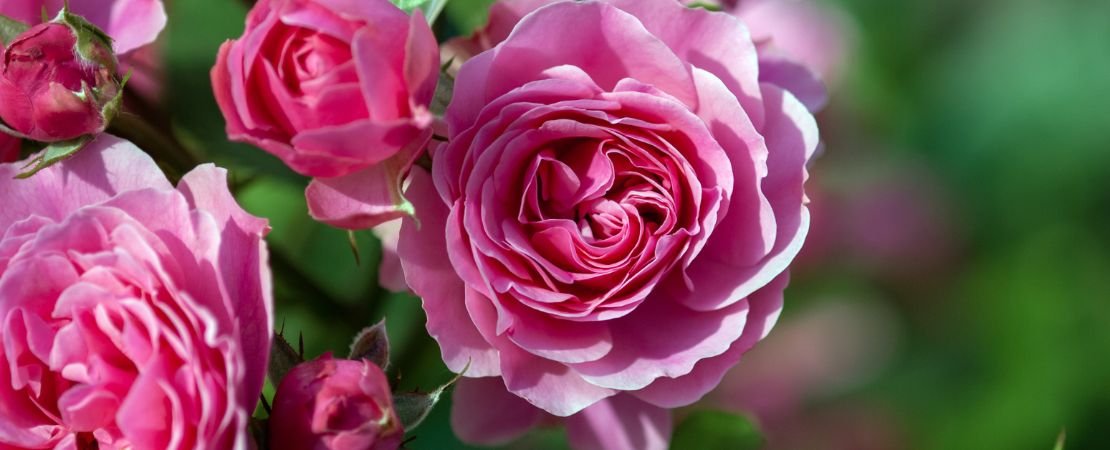
Deadheading helps many roses bloom again because it shifts the plant away from making hips and back toward making shoots and flowers. Once the bloom is spent, the rose has two choices: finish a seed cycle or start another bloom cycle. On the roses most gardeners grow for repeat color, removing the old flower usually nudges the plant toward the second option.
Deadheading helps most rose gardeners grow for repeat bloom, including hybrid teas, floribundas, grandifloras, many shrub roses, and many modern climbers. It is much less useful on once-blooming ramblers and other roses that flower once and are finished for the season. For the roses most Jackson & Perkins customers grow for repeat color, deadheading is part of keeping that cycle going.
Deadheading also keeps the plant cleaner. Spent petals cling, brown, and trap moisture. In wet weather that can invite trouble, especially if black spot is already part of your summer. Good cleanup, open growth, and a sharp eye on foliage go a long way, and if disease has already started to move through the planting, our article on black spot prevention is a useful follow-up.
Cut a spent rose stem just above a healthy outward-facing bud eye, usually just above a strong five-leaflet or seven-leaflet leaf on a vigorous plant. Start at the finished flower and trace the stem downward until the wood feels firm, the leaf looks substantial, and the bud eye at the leaf base points away from the center of the plant. That outward direction helps the next shoot grow into open space instead of crowding the middle of the bush.
The five-leaflet rule is a good guide, not a law. On many roses, the first strong five-leaflet leaf sits above a bud eye that can push a sturdy new shoot. On a young or newly planted rose, deadhead lightly so you keep as much healthy foliage as possible. On an established rose with a long, thin, weak stem, follow the stem farther down to a stronger outward-facing bud eye so the next shoot has better support.
I also want the cut close enough to the bud eye that I am not leaving a long stub, but not so close that I nick the bud itself. About a quarter inch above the bud eye is a sound target. The bigger goal is a clean cut through healthy green cane, not a ragged tear and not a long dead stub above the next shoot.
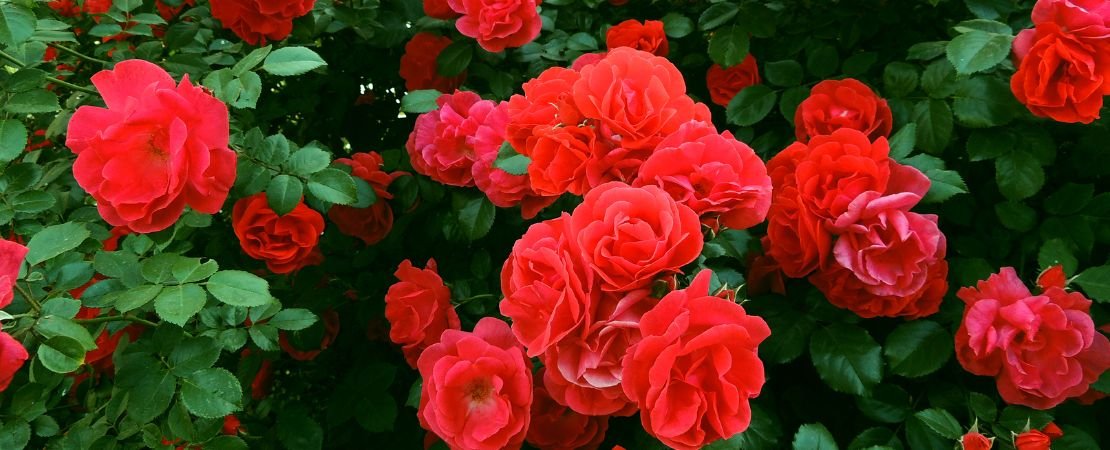
A shorter deadheading cut typically brings flowers back faster, while a deeper cut gives you a stronger stem and a neater plant. That tradeoff is worth understanding before you touch the pruners, because the right cut depends on whether you want quick color, longer cutting stems, or some shape correction after the first flush.
You can think of deadheading cuts in three working levels. The first is a quick cleanup cut when you want the plant back in color as soon as possible. The second is the standard cut most repeat-blooming roses respond to well. The third is a deeper reset when the stem is weak, the bloom sat too high, or the plant needs a little more structure after its first big show.
| Cut Style | Where to Cut | When to Use It | Likely Effect on the Next Flush |
|---|---|---|---|
| Light cleanup cut | Just below the spent bloom or cluster, above the first strong bud you can keep | Use it on floribundas, patio roses, or plants you want back in color quickly | Faster rebloom, shorter new stems, less change to plant shape |
| Standard deadheading cut | Above a healthy outward-facing five-leaflet or seven-leaflet leaf on firm wood | Use it for most repeat-blooming roses through the main growing season | Good balance of rebloom speed, stem quality, and plant shape |
| Deeper shaping cut | Down to pencil-thick wood or a stronger outward-facing bud farther along the cane | Use it after the first flush when stems are spindly, blooms sat too high, or the plant looks awkward | Slower return to flower, but stronger stems and cleaner framework |
On a vigorous hybrid tea, I often cut a little deeper after the first flush because I want the next stem to have some substance. On a floribunda that is already covered in cluster buds, I usually stay lighter. Thin wood typically gives you another thin stem. Stronger wood gives you a better chance at a sturdier bloom stem next time.
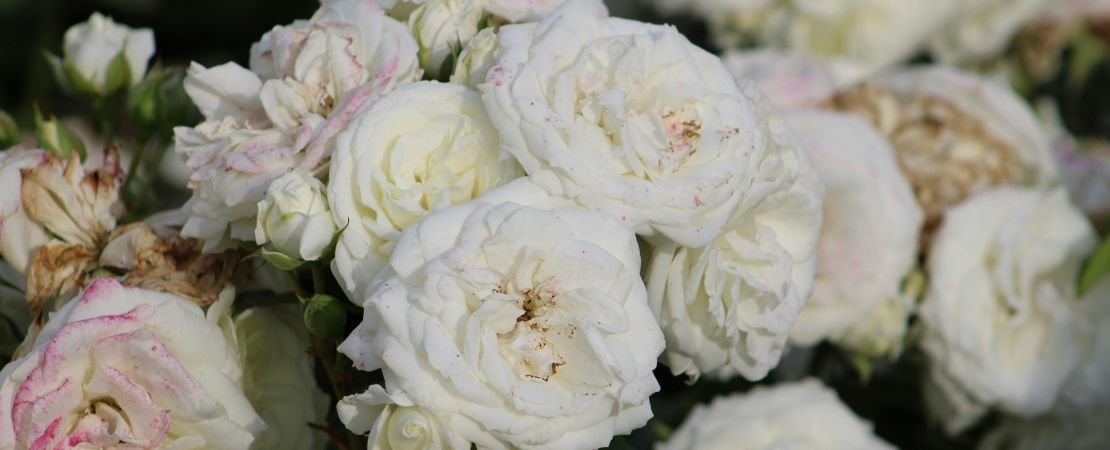
Early-season pruning is light structural work once the rose is actively growing, not the hard dormant-season cut you make in late winter. By the time the first flush finishes, the plant has shown you which canes are productive, which tips stalled, which shoots crossed into the center, and where the whole bush has started to feel congested.
This is when I clean out what winter missed and what spring revealed. Dead tips come off. Weak, twiggy growth that will never hold a decent flower comes off. Crossing shoots that will rub and shade each other come off. If a stem flowered on wood too thin to support the next round well, I shorten it to a stronger point.
What I do not do is shear the entire plant into a green dome and ask it to rebuild itself from scratch in June. In hot climates, that kind of heavy cutting can cost you the very growth you need for the next flush, because the rose has to spend energy replacing leaves and stems instead of moving toward bloom. After the first flush, the aim is to keep the rose open, balanced, and productive, not to force a whole new top on the eve of summer stress.
Most bush roses are deadheaded the same basic way: cut back to a healthy outward-facing bud eye on strong wood. The practical difference is how far down you go. Hybrid teas and grandifloras are often cut a little deeper for stronger stems. Floribundas are often cut by the cluster. Shrub roses are usually handled a bit more lightly. Climbers and ramblers are the group that truly change the job, because the main framework canes need different treatment.
Deadhead hybrid teas a little deeper when you want longer, stronger stems and better flower presentation. A spent hybrid tea flower often sits alone on its stem, so I follow that stem down until I reach wood with some girth and a bud pointing outward. If the stem below the flower is thin as a matchstick, I keep going. If it is close to pencil-thick and well placed, that is often my cut.
This is the class where shallow cuts disappoint people most. You get another bloom, but it can come back on a weak little neck that never looks right. If you cut to stronger wood, the next flower usually takes longer, but it comes on a sturdier stem.
Deadhead floribundas by removing the whole spent cluster back to a strong leaf or side shoot that can carry the next spray. Do not fuss with each tiny stem in the cluster unless you are grooming a plant for show. In the garden, the cleaner and more useful move is to take the finished spray back to one solid point and let the plant push a fresh cluster from there.
Floribundas usually rebloom quickly, so they respond well to lighter cuts than hybrid teas. If the plant is healthy and full, I want to preserve that momentum. A neat cluster cut keeps color coming without hollowing out the shrub.
Deadhead repeat-flowering shrub roses with a lighter hand, because many of them bloom best when they keep plenty of mature wood. Remove spent blooms and untidy tips, thin what is weak or crossing, and shape only as much as the plant needs to stay well shaped and open. This is the class where gardeners often overcut. A good shrub rose does not need to be pushed back into formal behavior every few weeks. If the shape still looks attractive and the plant has healthy leaf coverage, a modest cleanup cut is usually enough.
Deadhead repeat-blooming climbers on the laterals and side flowering shoots, not on the main framework canes that carry the plant. Those big canes are the architecture. They are the wood you tie in, fan out, and keep as horizontal as you can so they throw more flowering side shoots.
When a repeat-blooming climber finishes a cluster, shorten the lateral to a healthy outward-facing bud or side shoot. If a lateral is old and exhausted, cut it back harder during pruning season and let a younger one replace it. If the main cane has simply gotten long, tie it in before you think about cutting it off. That one move often gives you more bloom than a heavy-handed prune.
Ramblers are a different case. Many rambling roses bloom once, then finish for the season, so you do not deadhead them with rebloom in mind the way you would a floribunda or hybrid tea. Their major pruning usually comes after bloom, with an eye on thinning older canes and managing the framework. If you are choosing a plant for this kind of training, our current climbing roses collection will give you a better sense of the forms that suit fences, arbors, and walls.
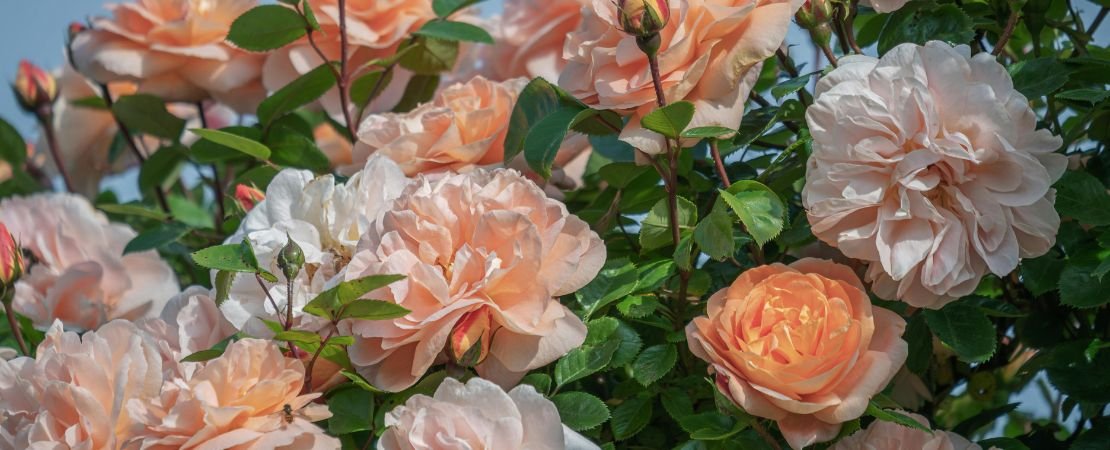
Summer pruning gets easier when you sort growth into two buckets: what is finished, and what the plant still needs for the next flush.
If you pause over a stem and cannot decide, ask one question: will this piece help the next cycle, or is it only taking light and air away from better growth? That question usually clears the hesitation fast.
Stop deadheading when you want the plant to slow down for the season, not by a fixed national date. In colder climates, that often means easing off in late summer or early fall so the plant can begin setting hips (most roses set hips but not all) and ease into dormancy before frost. In mild climates, the stop can come later and feel less abrupt.
The exact week depends on your zone, your rose class, and how long your growing season runs. If you want a month-by-month timing reference, our Rose Care Calendar is the right companion. It helps you line up feeding, pruning, planting, and late-season slowdown without guessing from somebody else's climate.
Some gardeners like to leave the last flush to ripen into hips. Others keep deadheading because fall bloom is the reason they grow roses in the first place. Either choice is fine as long as it fits the plant and the season you are in.
No. A five-leaflet leaf is a good guide on an established, vigorous rose, but it is not a hard rule. On a young or newly planted rose, deadhead lightly so you keep as much healthy foliage as possible. On an established rose with a long, thin, weak stem, follow the stem farther down to a stronger outward-facing bud eye so the next shoot has better support.
Deadheading usually helps repeat-blooming roses come back sooner because the plant stops spending time on hips and starts pushing new flowering growth. A lighter cut tends to return color faster. A deeper cut usually delays bloom a bit, but it often improves the next stem.
Usually no. On most floribundas, it is cleaner and more useful to take the finished cluster back to one strong leaf or side shoot. That keeps the plant tidy and lets the next spray develop from wood that can support it.
No. A repeat-blooming climber flowers from laterals off larger framework canes, so the framework needs to stay in place. Deadhead and shorten the flowering side shoots, then train and preserve the main canes unless one is damaged, exhausted, or badly out of bounds.
You can force the rose to spend too much energy rebuilding stems and foliage when it should be setting up the next flowers. In cool, vigorous spring weather the plant may forgive you. In rising summer heat, the same cut can cost you time, bloom, and overall polish.
Yes, until you reach the point where you want the plant to start slowing for the season. In a long warm climate you may keep going longer than a gardener in Minnesota or Maine. In a cold-winter climate, stop early enough that soft late growth is not caught flat by frost.
Go out in the morning with clean pruners and one spent stem in front of you. Follow it down until the right leaf shows itself, make the cut, and look at what you left behind. A good rose usually answers that kind of attention quickly.

