Choose Your Country

For many pet owners, our furry friends are part of the family. So, when decorating your home for the holidays, be sure you know what plants are pet-safe and which may need special placement to keep them out of reach of our pet family members.
The holiday season is a time for cozy decor, festive gatherings, and the annual tradition of gifting houseplants. But for pet owners, a beautiful plant can cause issues if it isn't pet safe. Occasionally pet owners unintentionally bring toxic plants into their homes during the holidays, unaware of the risks. Let's nip that in the bud!
This comprehensive guide will help you confidently choose pet-friendly plants that are beautiful, easy to care for, and safe to share with households that include dogs or cats. We'll also cover the most common toxic holiday plants, what makes plants dangerous to pets, and what to do if your curious companion takes a nibble.
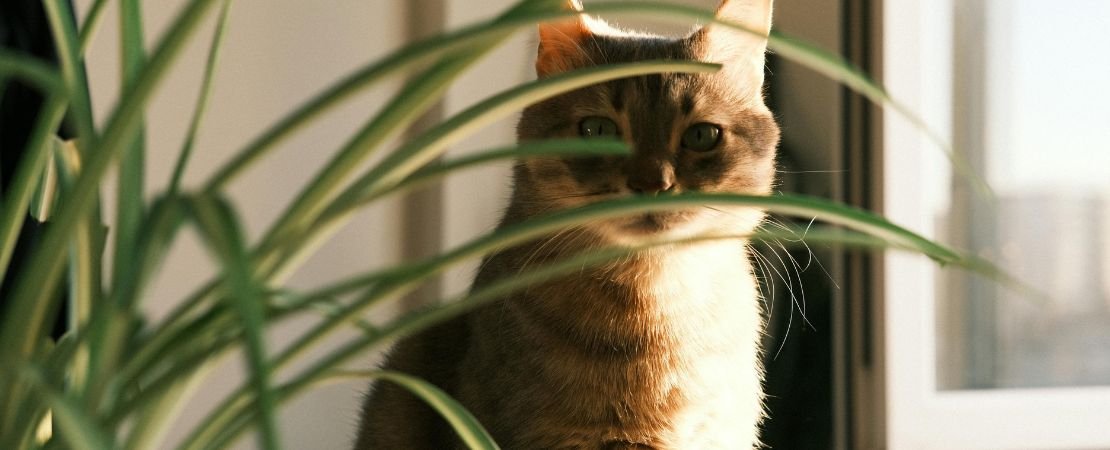
Not all greenery is created equal. Some plants contain natural defense chemicals that can irritate a pet's mouth and stomach or even affect their heart, kidneys, or nervous system. Others store toxins in bulbs, stems, or leaves, making even a small nibble dangerous.
Understanding this helps explain why certain seasonal favorites like amaryllis and lilies are risky, while others like spider plants and Christmas cactus are considered safe. We'll cover both categories so you can identify safe choices quickly and avoid surprises.
Toxicity in plants often comes down to specific compounds, like calcium oxalates, alkaloids, glycosides, and essential oils, that can irritate the mouth or gastrointestinal tract, cause neurological symptoms, or even damage organs. Some plants have toxins concentrated in their bulbs (like daffodils), while others carry compounds in their leaves or stems.
On the flip side, pet safe plants lack these harmful substances. However, even non-toxic plants can cause mild gastrointestinal upset if ingested in large quantities.
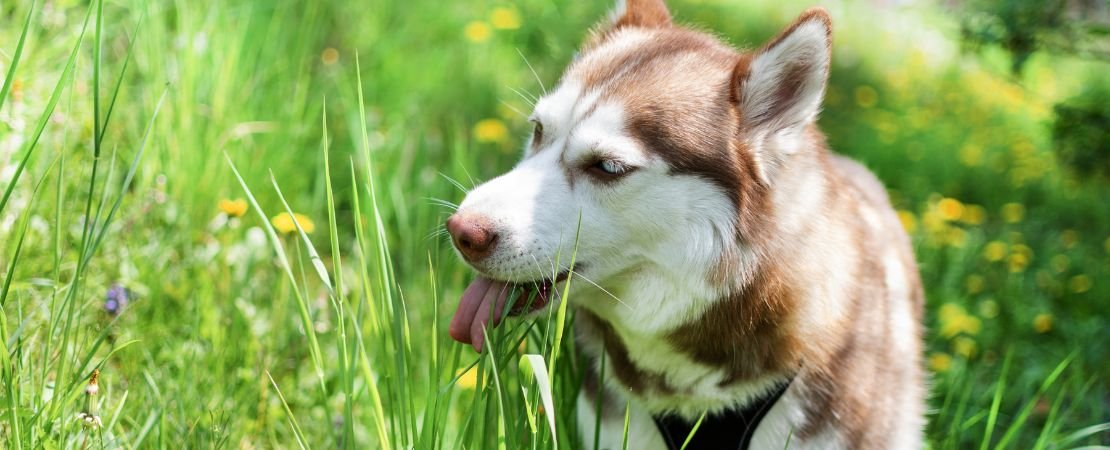
This is a common question from pet owners, especially during the holidays when new plants may be introduced into the home. Dogs and cats sometimes eat grass or fibrous plants out of instinct, and this behavior is typically not a cause for concern. It often resolves quickly and doesn't indicate toxicity.
We'll separate natural grazing behaviors from true signs of poisoning, so you'll know when to call your vet. This knowledge can make the difference between peace of mind and a preventable emergency.
Generally, if vomiting occurs alongside symptoms like lethargy, diarrhea, drooling, or tremors, or if your pet has access to a known toxic plant, it may be a sign of poisoning and should be treated as a medical emergency.
Choosing safe plants doesn't mean sacrificing beauty. There are an abundance of pet-friendly options that add festive color and texture while posing little to no risk if your cat or dog takes a curious bite. From the sculptural appeal of echeveria to the holiday blooms of Christmas cactus, these plants are stylish and safe.
Below, you'll find a curated list of pet-safe houseplants, complete with care tips, so you can decorate confidently or gift generously this holiday season.
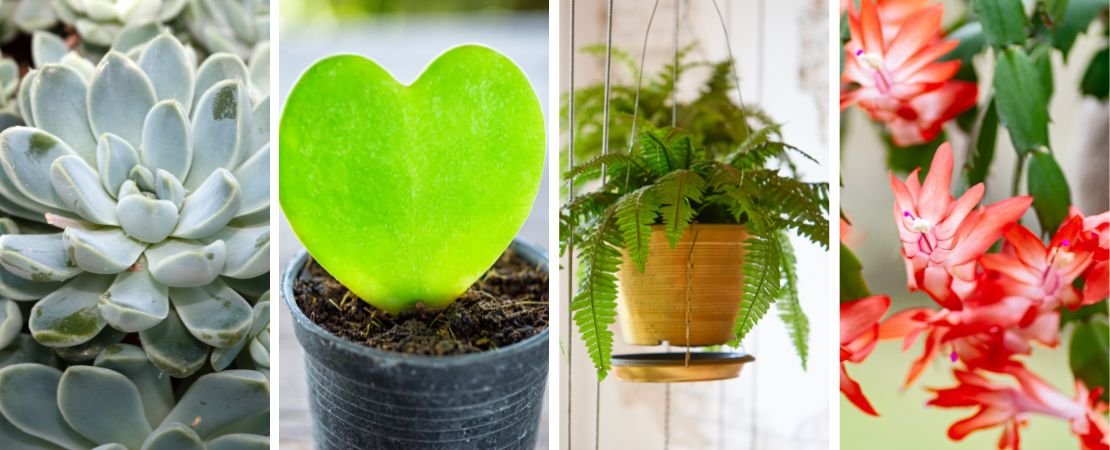
Echeverias are stylish, compact succulents known for their symmetrical rosettes and pastel-toned leaves. They're a favorite for modern container gardens and windowsills, offering sculptural beauty with minimal care.
Why It's Safe: According to the ASPCA and other trusted sources, this plant is considered non-toxic to both cats and dogs. Ingesting small amounts is unlikely to cause harm, though mild stomach upset can occur if eaten in large quantities.
Care Tips: Bright light, minimal watering.
Note: Always confirm the succulent species; not all are safe.
Hoyas are trailing houseplants popular for their thick, glossy leaves and fragrant, star-shaped blooms. They add style to shelves and hanging baskets while requiring very little attention.
Why It's Safe: This plant lacks harmful compounds (like oxalates or glycosides) typically responsible for toxicity in pets. Still, pets that nibble may experience mild digestive irritation if they ingest large amounts.
Care Tips: Low maintenance; tolerates low to bright indirect light.
Pros: Thick, waxy leaves and sweet-scented flowers.
This classic fern adds lush, arching greenery to indoor spaces and is commonly used in hanging planters or pedestal pots. It's also known for its air-purifying abilities.
Why It's Safe: Boston ferns are non-toxic to pets and lack the alkaloids or glycosides often found in other fern varieties. They are safe choices when kept in humid, out-of-reach areas.
Care Tips: Humid environments, indirect light.
Caution: Not all ferns are safe. Avoid asparagus, lace, and foxtail ferns.
A wintertime favorite, the Christmas cactus bursts into bloom in shades of red, pink, and white just in time for the holidays. Unlike most cacti, it thrives in more humid environments.
Why It’s Safe: This plant does not contain sharp spines or known toxins, making it one of the safest seasonal options. If chewed, it may cause mild digestive discomfort, but it is not considered dangerous by veterinary poison control organizations.
Care Tips: Let soil dry slightly between watering; bright indirect light.
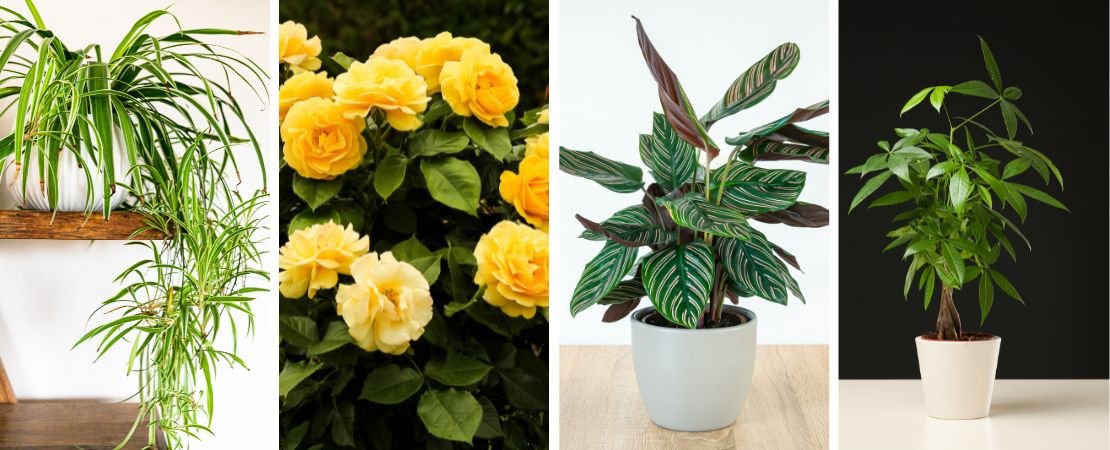
This easygoing houseplant features arching green-and-white striped leaves and produces baby plantlets that dangle like spiders on a web, making it ideal for hanging baskets. Spider plants are resilient, fast-growing houseplants.
Why It's Safe: Listed as non-toxic by the ASPCA, the spider plant does not pose serious health risks if nibbled. It may have a mild hallucinogenic effect in cats, similar to catnip, but this does not translate to toxicity.
Care Tips: Low light, moderate watering.
Fun Fact: May stimulate cats like catnip, but still safe.
Miniature roses bring classic garden beauty indoors with delicate blooms and a sweet fragrance. They are a lovely gift option that blooms generously with proper care. Because miniature roses offer all the charm of full-sized rose bushes in a more compact form, they are ideal for indoor gifting and growing.
Why It's Safe: Generally recognized as non-toxic, though individual sensitivities and reactions can vary. It's wise to monitor pets and discourage chewing.
Care Tips: Bright light, consistent moisture.
Calatheas are admired for their intricately patterned leaves and their unique habit of folding up at night, mimicking hands in prayer. They're an eye-catching choice for tabletops or low-light corners.
Why It's Safe: Calatheas are free from the chemical irritants found in many ornamental houseplants. Their non-toxic status is supported by the ASPCA, making them a dependable choice for pet households.
Care Tips: High humidity, indirect light.
Bonus: Striking foliage patterns.
Often gifted for good fortune, the money tree is recognizable by its braided trunk and large, palmate leaves. It's symbolic and practical for pet-friendly households. Money trees are often associated with good luck and prosperity. Their glossy green leaves make them a popular decorative gift.
Why It's Safe: The money tree is non-toxic to pets and lacks the compounds most associated with plant toxicity. However, its leaves are fibrous, so monitor pets for any signs of digestive upset if ingested.
Care Tips: Bright indirect light, allow soil to dry between watering.
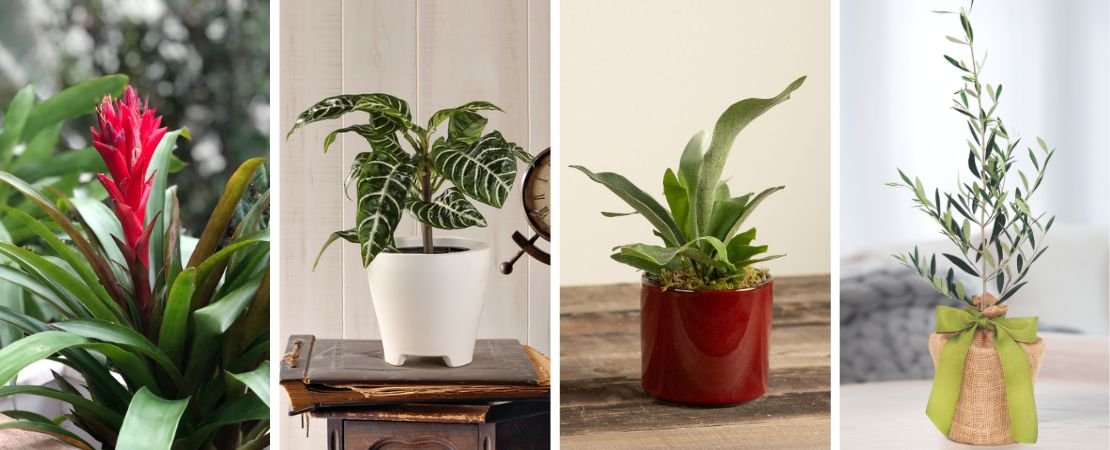
These tropical plants are known for their striking foliage and bold flower spikes. They thrive indoors with minimal care and offer vibrant color. They're low maintenance and stand out as a centerpiece.
Why It's Safe: Bromeliads are safe for cats and dogs according to trusted toxicity resources. Their tough leaves are unappealing to most pets, further lowering the risk of ingestion.
Care Tips: Tolerates a variety of indoor conditions; water the central cup.
A compact succulent with white-striped leaves resembling a zebra's pattern, Haworthia is perfect for small spaces and requires very little maintenance. This small, striped succulent resembles aloe but is much safer for pets. It's ideal for small spaces and windowsills.
Why It's Safe: Unlike aloe, a similar-looking succulent that is toxic to pets, Haworthia contains no harmful sap or compounds. It is widely recommended as a safe succulent for households with pets.
Care Tips: Low-water succulent, good for desktops and small spaces.
Known for their antler-like fronds, staghorn ferns are epiphytes, plants that naturally grow on tree trunks or branches, absorbing nutrients from air and moisture rather than soil. In home settings, they are often mounted on wood boards or placed in hanging displays to mimic their native growing conditions.
Why It's Safe: Staghorn ferns do not produce toxic chemicals and are considered a safe, non-toxic fern variety by veterinary experts. Their texture is also less tempting for pets to chew.
Care Tips: Mounted on wooden plaques; prefers humid, shaded environments.
With silvery-green foliage and a clean, sculptural form, olive trees evoke a Mediterranean feel. Dwarf varieties make elegant container plants for sunny spots indoors.
Why It's Safe: The tree itself is non-toxic to pets, though ingestion of large amounts of leaves could cause mild stomach irritation. Caution is advised if ornamental olives are treated with preservatives.
Care Tips: Lots of sunlight, minimal watering.
Caution: Decorative olives may be seasoned or treated, not pet-safe.
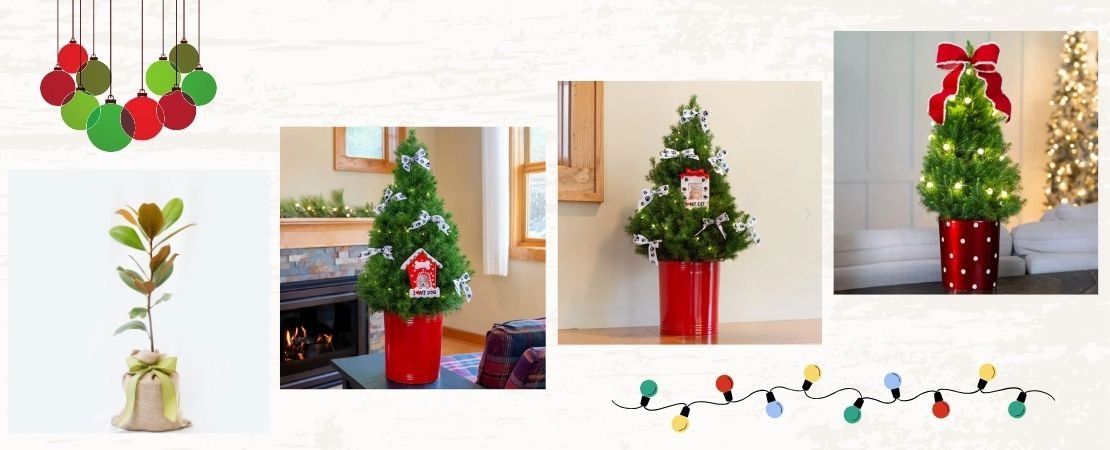
Magnolias are well-known for their glossy leaves and large, fragrant blooms. Dwarf cultivars can be gifted in pots or containers for a seasonal indoor display. Some dwarf varieties can be kept indoors for short periods.
Why It's Safe: Magnolia trees are not listed as toxic by the ASPCA. While the seed pods may cause mild gastrointestinal upset if consumed in quantity, the tree itself is generally safe around pets.
Care Tips: Outdoor tree; indoor dwarf varieties need sunlight.
Caution: Seed pods may cause mild stomach upset.
Shaped like a miniature Christmas tree, this dwarf spruce makes a festive, living holiday gift. It can thrive outdoors year-round and indoors temporarily in cool, bright locations.
Why It's Safe: This plant is not included on toxic plant lists from the ASPCA or Pet Poison Helpline, suggesting it's unlikely to pose a major risk. However, ingestion of any plant material may lead to mild gastrointestinal symptoms in some pets.
Care Tips: Cool conditions, indirect light indoors.
Caution: Needles can irritate if ingested in large amounts.
Holiday gifting often includes iconic plants like poinsettias, holly, and amaryllis. But do you know whether they're safe for pets? Here we provide a quick-reference chart highlighting the most common holiday plants that are unsafe for cats and dogs, the toxins they contain, and the symptoms they can cause.
Keep in mind that you can always place these plants creatively to keep them out of reach of your pets. Knowing how to make safer choices and giving you the information you need to act quickly if a toxic plant is accidentally ingested is our goal.
| Plant | Toxic to | Toxic Compounds | Symptoms |
|---|---|---|---|
| Amaryllis | Cats & Dogs | Lycorine | Vomiting, diarrhea, lethargy |
| Poinsettia | Cats & Dogs | Euphorbin | Mild vomiting, skin irritation |
| Holly | Cats & Dogs | Saponins | GI upset, drooling |
| Mistletoe | Cats & Dogs | Phoratoxin | Vomiting, slowed heart rate |
| Christmas Rose | Cats & Dogs | Glycosides | Vomiting, lethargy |
| Lilies | Cats only | Unknown | Severe kidney damage |
| Cyclamen | Cats & Dogs | Saponins | Vomiting, seizures |
| Jerusalem Cherry | Cats & Dogs | Solanine | Vomiting, confusion |
| Peace Lily | Cats & Dogs | Oxalates | Oral irritation, vomiting |
| Norfolk Island Pine | Cats & Dogs | Irritants | GI upset |
| Yew | Cats & Dogs | Taxines | Seizures, sudden death |
Pets are naturally curious, and no matter how careful you are, a new plant can become an irresistible toy or snack. While choosing non-toxic plants is the safest first step, smart placement ensures harmony between your greenery and your furry companions. Think of it as designing your holiday décor for beauty and peace of mind.
Here are practical strategies that go beyond plant choice to keep pets safe while still allowing you to enjoy greenery indoors:
Tips:
Chances are, during the holiday season, our pets will have plenty of new distractions to keep them safely away from our plants.

Accidents can happen despite our best efforts. The key is knowing how to respond. Here, we'll cover the most important signs of plant poisoning, why pets don't always "learn their lesson" after one taste, and the immediate steps you should take if ingestion occurs.
Here's a plan of action, so you never have to second-guess what to do in a stressful moment.
When gifting plants during the holidays, consider the following non-toxic, attractive options:
Choosing pet safe house plants is a way to show love for both pets and people. With the right knowledge and a little planning, you can celebrate the season with greenery that brightens homes without compromising pet health.
If you're ever in doubt about a plant's safety, check the ASPCA Toxic and Non-Toxic Plant List and consult your veterinarian.
Happy (and safe) holidays to you and your furry companions!

