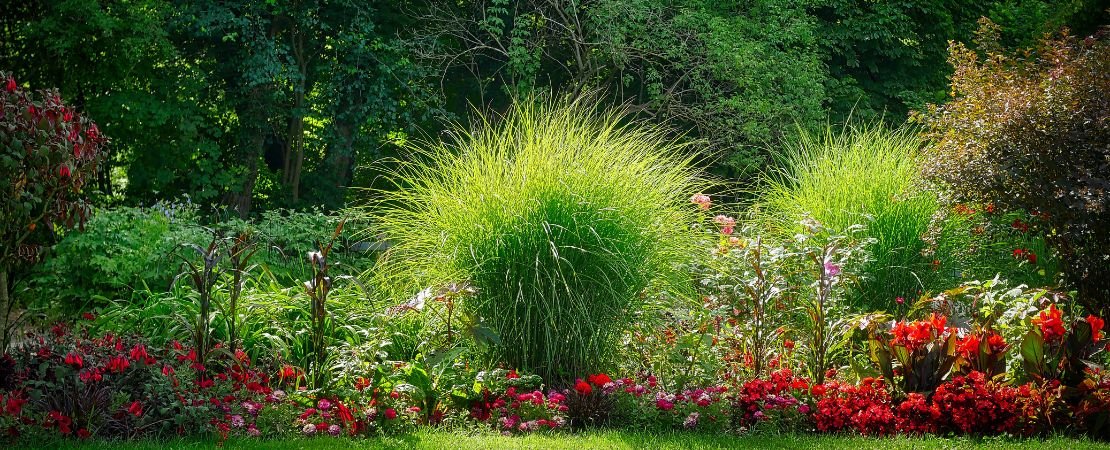
How to Have Harmony and Contrast in Garden Design

Main image for the article:How to Have Harmony and Contrast in Garden Design
Posted on 04/16/2025

Create a Visually Balanced Garden with a Perfect Blend of Harmony and Contrast

A key component of excellent garden design is striking the correct balance between harmony and contrast. While contrast adds elements of surprise and excitement, harmony gives the garden a cohesive appearance. When combined, these ideas produce aesthetically pleasing and welcoming gardens.

What Does Garden Design Harmony Mean?

Harmony occurs when all garden elements—plants, colors, textures, and structures—work together seamlessly. It gives the garden a sense of unity and peace, making it feel like a single, well-thought-out composition.

How to Achieve Harmony:

  • Stick to a consistent color palette (i.e., cool blues and purples or warm reds and yellows).
  • Use plants with similar care needs to create that cohesive feel and make care easier.
  • Incorporate recurring themes, like matching trellises or repeating plant species.

What Is Contrast in Garden Design?

Contrast is what keeps a garden from becoming monotonous. It draws the eye by highlighting differences in color, texture, shape, or size.

Examples of Contrast in Garden Design:

  • Pair soft, rounded rose blooms with spiky companion plants like salvia or foxgloves.
  • Use bold, dark foliage like purple heuchera against lighter, feathery plants like ornamental grasses.
  • Combine bright yellow or orange roses with deep blue or purple flowers for a dramatic effect.

Tip: While contrast adds interest, avoid overdoing it. Too much can make the garden feel chaotic.
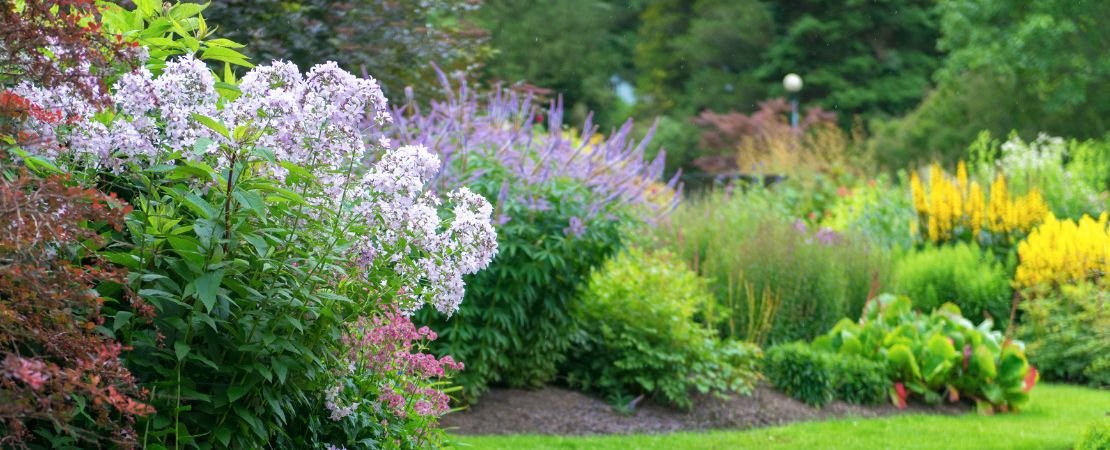

border garden with beautiful plant form contrast

How to Combine Harmony and Contrast

1. Use Color Wisely

Color is one of the easiest ways to create harmony and contrast in your garden.

  • For Harmony: Stick to analogous colors (i.e., shades of blue, purple, and green).
  • For Contrast: Incorporate complementary colors (i.e., red roses with green foliage or yellow blooms with purple accents).

Example: Combine a pink rose bush with purple lavender for harmonious tones and add a pop of white flowers for contrast.

2. Mix Textures and Shapes

The textures and shapes of plants play a big role in creating visual interest.
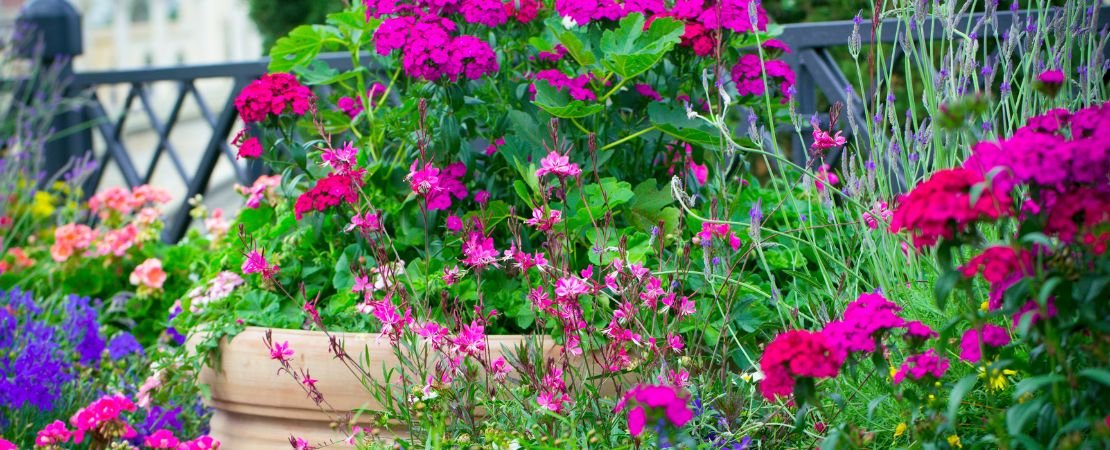
  • For Harmony: Use plants with similar foliage textures, such as glossy rose leaves paired with smooth hostas.
  • For Contrast: Add feathery foliage like bronze fennel or fine-textured grasses to offset the boldness of roses.

fuchsia flowers in contrasting forms

3. Include Hardscaping Elements

Hardscaping, like pathways or decorative features, can enhance both harmony and contrast.

  • Use natural stone or wood to create a harmonious, earthy feel.
  • Add contrasting elements like modern metal sculptures or brightly colored pots for interest.

Why Harmony and Contrast Matter

Harmony makes your garden feel calm and inviting, while contrast keeps it dynamic and exciting. Together, these principles create a garden that invites exploration and admiration.

For premium roses and companion plants that help you master harmony and contrast, visit Jackson & Perkins.

Want more guidance on planning your garden? Explore our garden design guides for practical tips.