Choose Your Country
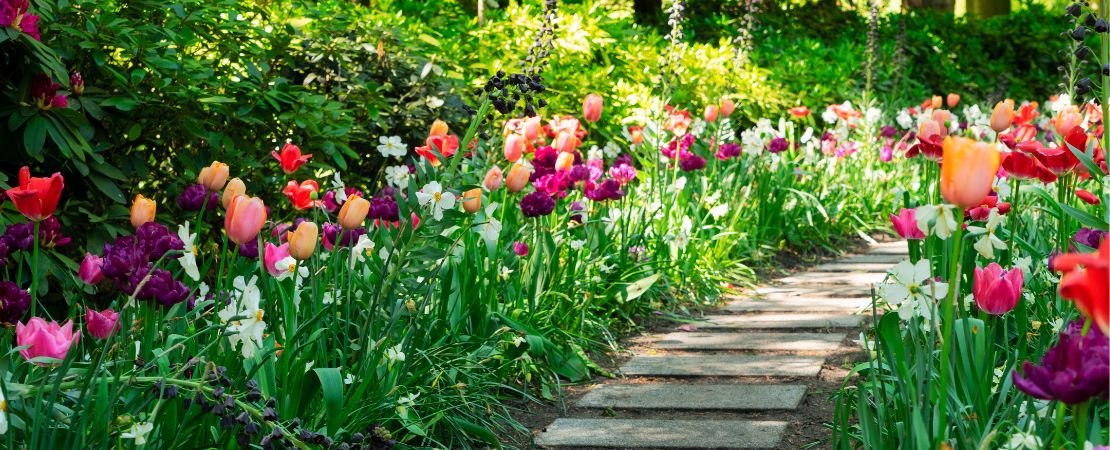
A garden that bursts into bloom at the first signs of spring is a welcome sight after a long winter. Early blooming perennials provide some of the first splashes of color in the landscape, while also offering an essential nectar source for pollinators emerging from dormancy.
Choosing the right mix of early spring blooming perennials ensures continuous color from late winter through late spring, bridging the gap until summer blooms take over. The key is selecting plants that can handle cool temperatures and unpredictable spring weather while offering reliable, long-lasting beauty.
Below is a carefully compiled list of early blooming perennials, arranged in order from the earliest bloomers to those that help your garden look impressive in late spring.
Note: Bloom times in this guide are based on general trends across USDA hardiness zones 3-9. However, flowering periods vary by region.
For the best results, track local temperatures and frost dates to adjust planting and bloom expectations for your specific climate.
Note: You can reserve spring-blooming bulbs in the summer, usually around mid-June. We ship them to you in fall, because it’s the best time to plant them.

As winter loosens its grip, the earliest perennials break through cold soil and even snow, bringing life back to the garden. These hardy bloomers are the first signs of spring, offering color, fragrance, and pollinator-friendly flowers before most plants wake up.
One of the first perennials to bloom, hellebores push through frozen ground and even snow, showing off cup-shaped blooms in shades of white, pink, deep purple, and green. Their evergreen foliage provides year-round interest, giving your shade garden a multi-season staple.
Delicate, nodding white flowers emerge even before the snow fully melts, signaling the start of spring. Snowdrops are low-maintenance and naturalize easily, forming impressive drifts over time.
Crocuses are another early blooming perennial, often poking through snow with vibrant purple, yellow, or white flowers. These hardy, deer-resistant plants multiply year after year, creating carpets of color in garden beds and make a great lawn alternative in the early gardening season.

As winter fades, early spring perennials bring fresh color and life back to the garden. These plants mark the transition from the last frosts of winter to the first true days of spring, offering vibrant blooms that welcome pollinators and brighten landscapes.
Daffodils are one of the earliest and most reliable spring bloomers, bringing bright yellow, white, peach, or bi-colored flowers to the garden. They thrive in gard
en beds, borders, and naturalized areas, making them a must-have for a long-lasting spring display.Pro Tip: Plant daffodils in fall for best results, and mix different varieties to extend bloom time.
Hyacinths deliver rich, saturated color and a strong, sweet fragrance, making them perfect for garden beds, containers, and walkways. Available in shades of purple, blue, pink, white, and yellow, hyacinths pair beautifully with daffodils and early tulips.
Pro Tip: Plant near entryways or patios to enjoy their fragrance up close.
Tulips are a spring garden essential, offering elegant, cup-shaped flowers in every color imaginable. Early-blooming varieties like Emperor Tulips provide bold color at the start of the season, while mid- and late-spring varieties ensure continued beauty.
Pro Tip: Layer different tulip varieties in the same bed for a longer-lasting display.
A low-growing, evergreen perennial, Iberis (Candytuft) produces dense clusters of small white flowers that brighten garden beds in early spring. Its compact, mounding growth makes it an ideal choice for borders, rock gardens, and edging pathways.
Pro Tip: Trim lightly after flowering to encourage a second bloom later in the season.
Muscari, or Grape Hyacinths, produce small, bell-shaped flowers in rich blue, purple, or white, forming striking clusters. Their compact size makes them ideal for mass plantings, borders, or as an underplanting for tulips and daffodils.
Pro Tip: Plant Muscari bulbs with early tulips to create beautiful color combinations.

By mid-spring, gardens fully awaken, and perennials that were just sprouting explode into color. These plants provide a lush, layered look as they bloom alongside early spring flowers and before summer perennials take over.
Virginia bluebells offer graceful, bell-shaped blue flowers that start as pink buds before turning a striking sky blue. This native wildflower naturalizes beautifully in woodland settings and moist garden beds.
A ground-hugging perennial, creeping phlox forms dense mats of pink, purple, white, or blue flowers in mid-spring. It’s perfect for rock gardens, slopes, and borders, creating a low-maintenance carpet of color.
A romantic garden favorite, bleeding heart features graceful arching stems adorned with pink, heart-shaped flowers. It thrives in shaded garden beds and pairs well with ferns and hostas.

As spring reaches its peak, late-season perennials take center stage, filling gardens with large, showy blooms that transition seamlessly into summer.
Iris varieties like bearded iris and Siberian iris bring tall, elegant blooms in a wide range of colors. Their sword-like foliage adds interest even after blooming.
With delicate, spurred flowers in shades of pink, purple, yellow, and red, columbine attracts hummingbirds and bees. It thrives in cottage gardens and naturalized landscapes.
Peonies are one of the most anticipated late spring perennials, producing lush, fragrant blooms in shades of pink, red, white, and yellow. Once established, they can thrive for decades with minimal care.
To create a continuous display of color from late winter through late spring, layer perennials with staggered bloom times.
By incorporating a variety of early blooming perennials, you can wake up your garden in every season, ensuring beauty from the first hints of spring through summer. Whether you prefer bold colors, delicate pastels, or native wildflowers, there’s an early perennial perfect for your garden.
Ready to fill your garden with early color? Start planting early blooming perennials this season and enjoy a vibrant, pollinator-friendly landscape year after year.

