Choose Your Country

As temperatures drop and winter approaches, many gardeners shift their focus from actively gardening to preparing their landscape for the cold months ahead. While gardens may look bare during this season, they can still be filled with plants designed to support wildlife, especially birds. By planting specific trees, shrubs, and perennials, you can help feed wintering birds and create a bird-friendly garden that adds interest to your landscape.
Birds play a critical role in the ecosystem. While we know they are enjoyable to watch, did you know they also contribute to the health of your garden by controlling pests, pollinating plants, and dispersing seeds? By creating a habitat that supports them, especially in winter when food can be scarce, you are fostering biodiversity and contributing to a balanced environment. Plus, a bird-friendly garden improves your winter view by adding year-round interest and life to your outdoor space.
Winter can be a challenging time for birds. With limited daylight, freezing temperatures, and fewer food sources, they rely heavily on their environment to survive. Bird feeders are a common way to help, but by planting trees, shrubs, and perennials that provide food and shelter, you’re offering another sustainable, natural solution.
While feeding birds with bird feeders is a great way to attract them to your garden, relying solely on feeders has some downsides. Feeders require regular cleaning to prevent disease, and they might not provide all the nutrients birds need. By planting bird-friendly vegetation, you offer a variety of seeds, berries, and shelter, helping birds get the diverse diet they need. Trees and shrubs not only provide food but also protect birds from the elements and predators.
When choosing plants to support birds through winter, opt for species that produce fruits, nuts, or seeds in late fall or early winter. In addition, evergreens and trees with thick canopies provide shelter. Read on for a list of popular trees, shrubs, and perennials that will help turn your off-season garden into a winter bird garden.
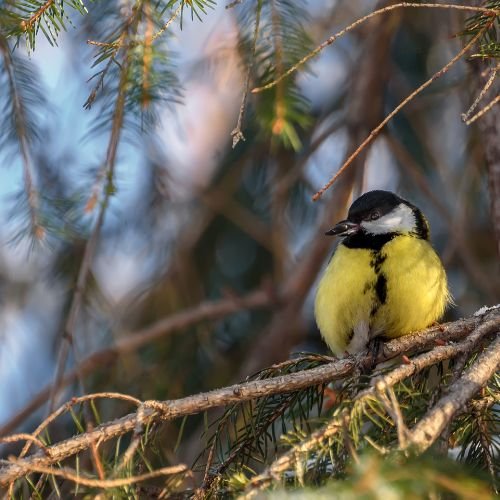
Eastern Redbud (Cercis canadensis): This small, ornamental tree is a great addition to your garden. While not a winter food source, its dense branches provide shelter for birds during the colder months. Redbuds also contribute to the ecosystem in spring, as they attract pollinators with their early blooms.
Thujas (Arborvitaes) grow fast and are great sources of shelter for wintering birds. Their foliage offers birds a place to shelter from the elements. Thuja are also ideal for supporting bird’s nests. This type of evergreen is also soft to the touch and slightly fragrant.
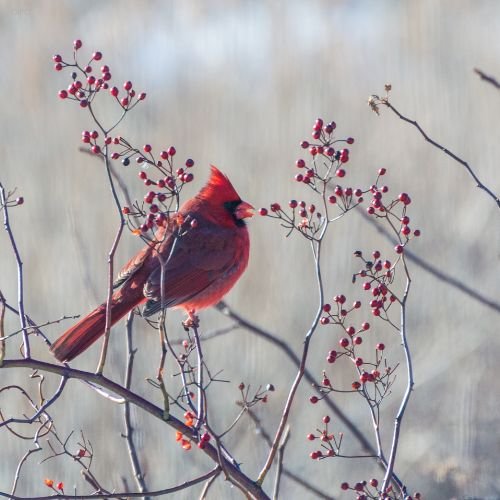
The Winterberry Holly 'Berry Poppins'
Winterberry Holly 'Berry Heavy
Pyracomeles Berry Box
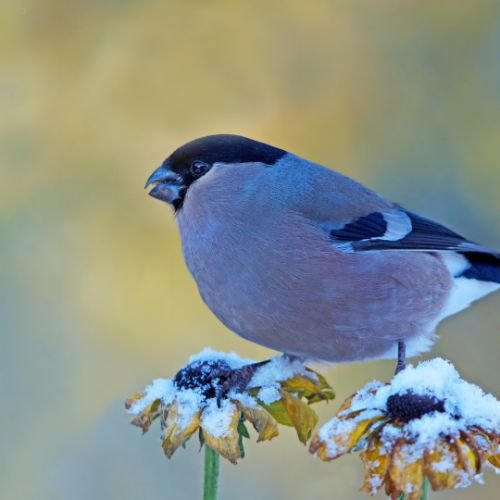
Echinacea (Coneflower): After the summer blooms fade, the seed heads of echinacea become a valuable food source for birds like goldfinches. By leaving the dried flower heads standing through the winter, you’re ensuring a continuous food supply and adding interest to your garden.
Rudbeckia (Black-Eyed Susan): Another daisy-family member, rudbeckia provides seeds for native sparrows and other seed-eating birds. The dried flower heads are attractive in winter, making them a dual-purpose plant for beauty and bird food.
Salvia 'East Friesland' is a vibrant perennial that continues to benefit your garden long after its deep blue flowers have bloomed. As a member of the mint family, its seed heads attract birds throughout the winter, while the fragrant foliage is deer and rabbit resistant. This low-maintenance perennial is perfect for mass plantings and ensures your garden remains a home for birds and pollinators during the cooler months.
Hellebores are some of the earliest bloomers, often pushing their colorful flowers through the snow in late winter. The Winter Ballet Liara Hellebore produces long-lasting blooms in a variety of colors, which attract pollinators early in the season and provide vital shelter and protection for birds during the colder months. This perennial’s evergreen foliage also offers a stable environment for insects, a critical food source for birds.
Heuchera 'Palace Purple', a variety of coral bells, adds a rich touch of color with its deep mahogany foliage. This perennial provides excellent ground cover, which offers shelter for birds seeking protection during winter. The plant’s winter-hardiness and long-lasting foliage make it an important source for sustaining birds through the winter
.Traditionally, gardeners cut back many perennials in the fall to tidy up their gardens for the winter. However, leaving seed-bearing plants standing through the winter is a simple way to support wintering birds. Members of the daisy family, like echinacea, rudbeckia, and helianthus, retain their seed heads well into winter, providing a food source for birds.
Besides food, leaving plants like ornamental grasses and others with hollow stems, like amsonia and baptisia, creates overwintering habitats for insects. These insects are often a food source for birds during lean times. By striking a balance between aesthetics and ecological function, you can ensure your garden remains a part winter’s ecosystem.
By creating a bird-friendly garden, you’ll support local wildlife while benefiting your garden in the long run. Birds play a crucial role in controlling pests, pollinating plants, and dispersing seeds. For example, hummingbirds pollinate flowers, which can improve the yield of fruit-bearing plants.
Watching birds in your garden is a fun and relaxing pastime during the long winter months. The activity of birds flitting through the garden, gathering food, and sheltering in the trees brings life to an otherwise dormant landscape.

