Choose Your Country

Roses have many traits and intricate details. Their unique bloom forms and rose petal counts each bring a unique texture and aesthetic to your garden. Understanding the differences can enhance your gardening experience.

These blooms develop in a circular pattern and have outer petals that are a bit longer than the petals toward the center of the bloom, forming a charming cup shape. Variations within cup shaped roses include deep cup, shallow cup, and open cup. Each unique bloom style can add depth and variety to your perennial and rose garden.
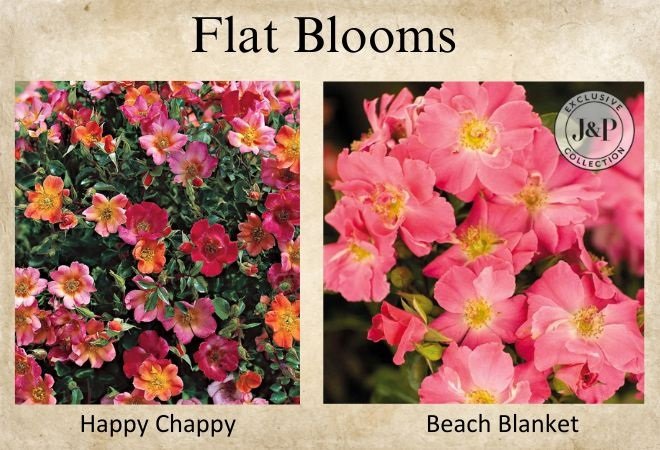
This rose bloom style looks just like its name, these shallow blooms have petals that flare out, laying fully open, and offer a delightfully simplistic yet elegant appeal.
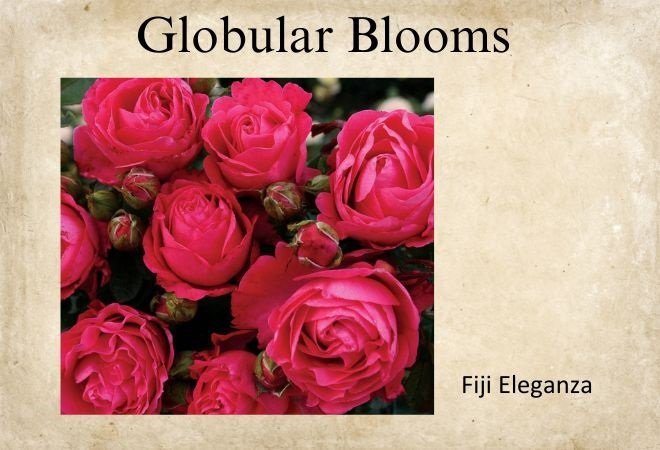
This rose bloom style has petals that enclose the center of the bloom, hiding the stamens and almost forming a rounded ball. Its form creates a sense of mystery and sophistication.

Common in hybrid teas, high-centered describes the bloom form in which the petals at the center of the bloom stand above the outer opened petals. They have that quintessential, distinguished rose look we all know and love.

These rose petals overlap each other to form a scalloped arrangement of densely packed petals, dividing the flower into four visually striking parts.
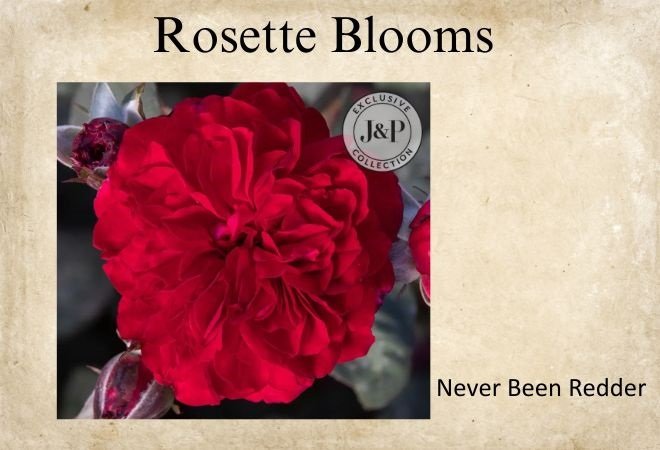
Sometimes called ruffled, rosette blooms are very double flowers with many slightly overlapping petals of different sizes, offering a lush and abundant feel.
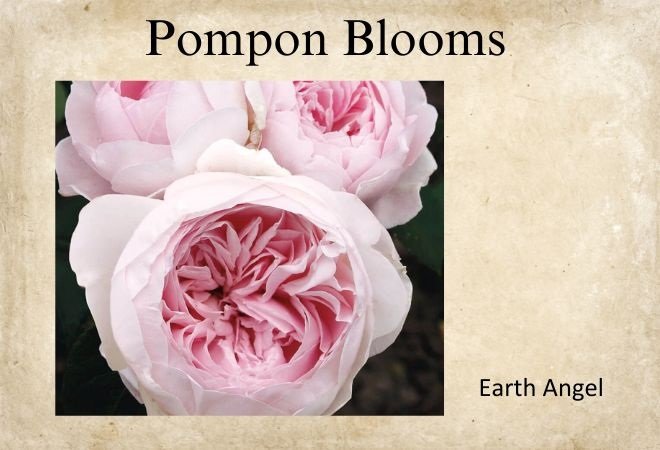
The small, rounded blooms are filled with numerous tiny petals that are tightly packed. The abundance adds a playful touch.
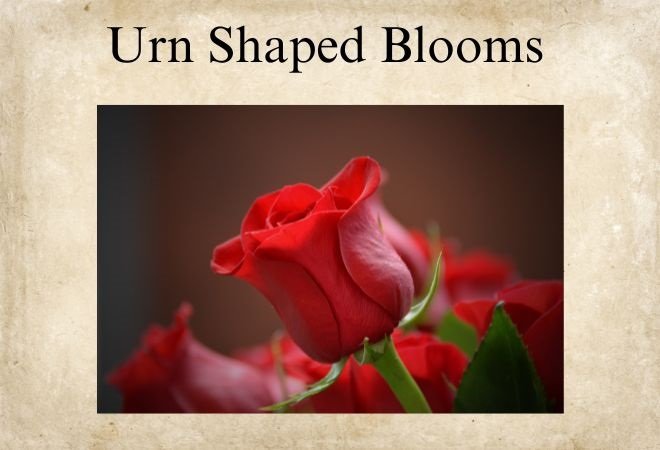
Though not common, these tall, round blooms have an urn shape and add a unique architectural element to your garden.
Single Blooms (1-7 petals): Roses are fully opened with almost flat blooms that offer a minimalist charm.
Semi-Double Blooms (8-15 petals): With two rows of petals, these blooms offer a balanced and delicate beauty.
Double Blooms (16-25 petals): The overlapping petals in three or more rows create a classic rose appearance.
Full Blooms (26-40 petals): These blooms have three of more rows and offer a dense, luxurious look, perfect for a lush garden.
Very Full Blooms (40+ petals): The epitome of opulence, these blooms are exceptionally dense and rich with petals in three or more rows.
Roses come in a range of varieties like hybrid teas, floribundas, and climbing roses, each with distinct petal counts. Although any class of rose can have a high petal count, hybrid teas are known for their high petal counts and luxurious, full look, perfect for a statement piece in your garden. Floribundas, in general have slightly fewer petals, offer a delightful balance of lushness and charm, ideal for creating vibrant, colorful borders. Climbing roses, varying widely in petal count, can add vertical interest and a touch of elegance when draped over arches or trellises.
The petal count can affect a rose's resilience and maintenance needs. Roses with higher petal counts, while stunning, often require more careful pruning to ensure proper air circulation and prevent diseases. Lower petal count roses are generally hardier, easier to maintain, and can be more forgiving for novice gardeners.
Roses with different petal counts play varied roles in your garden's ecosystem. Varieties with more open flowers and lower petal counts are more accessible to pollinators, supporting local wildlife. In contrast, high petal count roses can be more challenging for pollinators but offer other ecological benefits, such as providing shelter for beneficial insects.
Remember, the categorization of bloom shapes and petal counts is more of an art than a science. Variations can occur even within the same bush or variety. A rose might display characteristics of both cupped and quartered or start as globular and then open flat. Use these definitions as general guidelines, understanding these nuances allows for a deeper appreciation of the complexity and beauty of roses.
Planting a variety of rose bloom shapes and varying petal counts can transform your garden into a stunning blend of textures and styles, with each rose contributing its unique charm. The variety in bloom shapes and petal counts not only enhances the visual appeal of your garden but also invites a diverse range of pollinators, enriching the local ecosystem.
What’s your favorite song about roses or flowers? Here’s some inspiration…

