Choose Your Country

It didn’t survive Hurricane Katrina by luck. It did it by being tougher than saltwater, wind, and weeks without light.
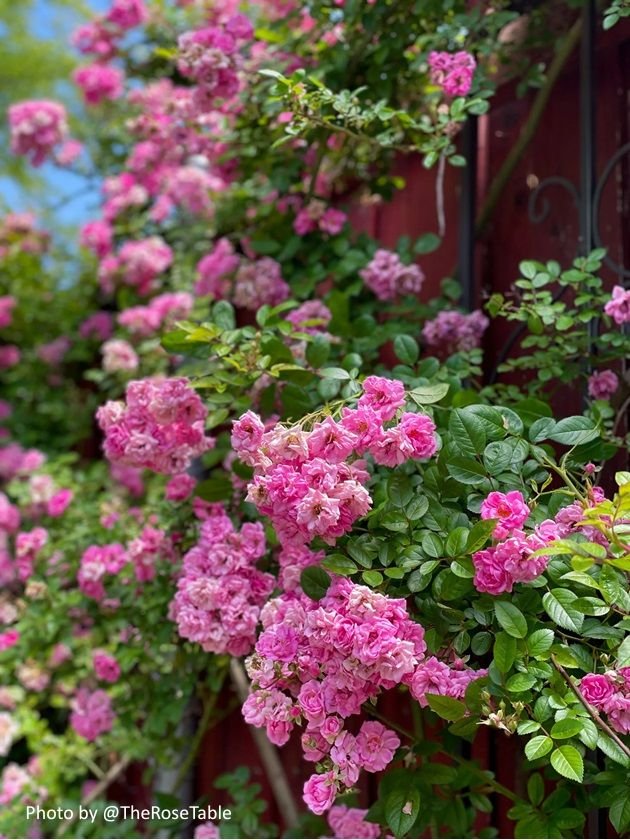
The Peggy Martin rose wasn’t bred in a lab or introduced with fanfare. It was found in the wreckage of one of America’s most devastating storms. Peggy Martin had spent decades nurturing a garden full of antique roses in Plaquemines Parish, Louisiana. When the levees broke in 2005, her land sat under 20 feet of saltwater. Everything was lost. Hundreds of cherished roses, generations of growth, decades of care. When the water receded, what remained was silence. Gray canes. Dead roots. A garden gutted.
Except for one.
At the base of a trellis, a single climbing rose had put out fresh green shoots. No signs of stress. No salt-burned leaves. Just persistence. That rose, unnamed and unnoticed before the storm, was the only thing still growing in the garden.
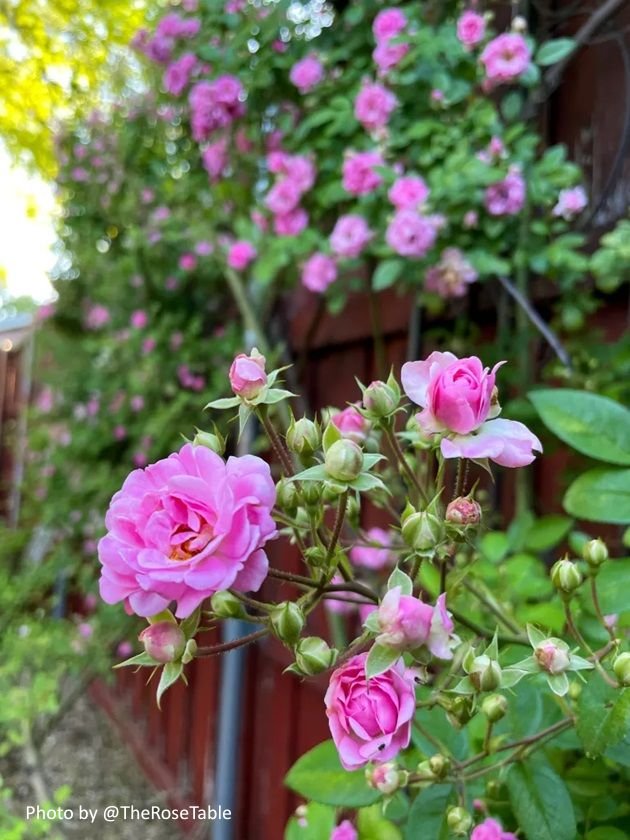
Peggy Martin was a dedicated gardener long before the storm. In 1989 she planted a thornless climbing rose from a friend’s cutting and watched it flourish among more than 450 antique rose bushes on her Louisiana property. When Hurricane Katrina inundated her land in 2005, everything was lost but that one rose survived under saltwater for weeks. Peggy saw that as more than resilience. She saw it as hope.
To have a rose named after you is no small thing. It’s one of horticulture’s highest honors. When rosarians named the rose after Peggy, it meant something. It wasn’t only about what the plant had lived through, it was about what she had lived through, too. The name honors the connection between them: a gardener and the one rose that made it. Today, that name stands for strength, beauty, and the chance to begin again.
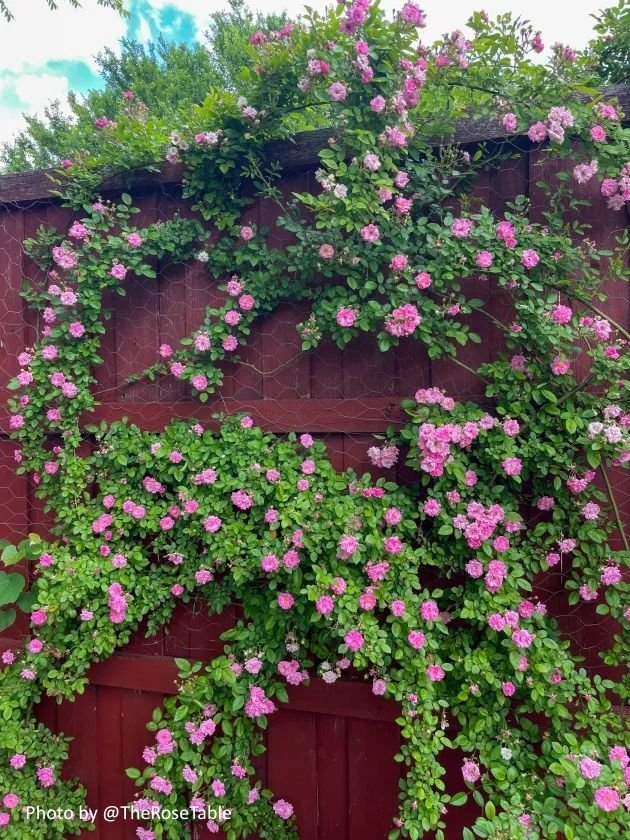
The Peggy Martin rose wasn’t selected for show benches or bred for catalog covers. It earned its place in gardens by surviving one of the deadliest hurricanes in U.S. history. While salt-laden floodwater destroyed nearly everything else in its path, this climbing rose came back stronger.
That resilience is now part of its DNA. As a cold-hardy, disease-resistant climbing rose, it thrives from the Gulf Coast to snowy corners of Zone 4. It thrives through drought, humidity, heat waves, and hard freezes. It’s a reliable performer in places that challenge even the toughest plants.
This nearly thornless climbing rose quickly establishes itself, then sends out graceful, arching canes that can climb up to 15 feet high and 8 feet wide. In spring, it covers itself in a showy flush of soft pink blooms. In warmer zones, it blooms again in late summer or early fall. Even without fragrance, it draws attention and admiration.
What makes it different is how little it asks in return. Once established, it needs little water, no spraying, and minimal pruning. It handles heat, humidity, and cold snaps (down to −20°F in Zone 4) and doesn’t blink at inconsistent care.
Gardeners keep planting the Peggy Martin rose not just because it has a story, but because it performs like few others. It’s a cold-hardy, nearly thornless, disease-resistant climbing rose that asks little and gives a lot. It’s the climbing rose people recommend to friends, train over fences, and share stories about year after year.
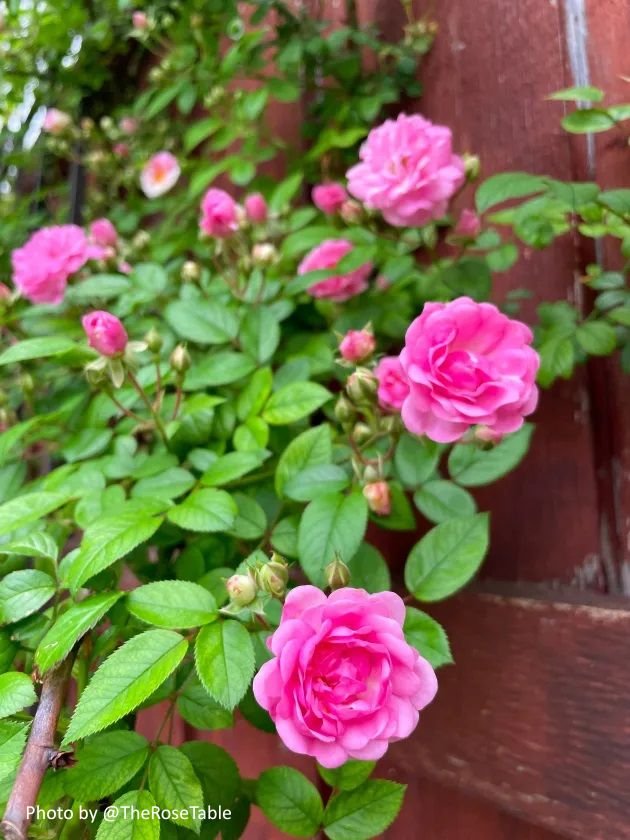
Plant in a spot that gets six or more hours of direct sun. Morning light is ideal for drying dew and minimizing fungal issues. Soil should be well-drained and slightly acidic (pH 6.0 to 6.5). If drainage is poor, amend with compost or organic matter.
In the first season, water deeply once or twice a week. Mulch around the base to retain moisture and suppress weeds. Fertilize in early spring and again in late summer if desired.
Train the long, flexible canes horizontally along trellis wires, fences, or arches to encourage side shoots because that’s where the blooms appear.
At Jackson & Perkins, we’ve seen a lot of roses come and go in 150+ years. The Peggy Martin rose is the kind that persists. It has a story. But more than that, it has staying power in gardens that see heatwaves, late frosts, missed waterings, and still demand beauty.
We offer roses for every kind of gardener from collectors of rare hybrids to those who want dependable, easy-care climbers. The Peggy Martin rose stands out for its resilience and backstory, but for many gardeners it’s the beauty with little effort that makes this legacy rose a must-have.
The Peggy Martin rose survived floodwaters to become one of the most cherished climbing roses in the country. It grows with ease, blooms with generosity, and carries a gentle reminder: beauty is even more powerful when it endures.
Plant it once. Watch it climb. Let the story unfold on your fence, your trellis, your garden wall.

