Choose Your Country

This year's collection is smaller than usual. That was intentional.
Every rose here spent at least three years in field trials before it got a name or a product number. Some spent longer. The ones that made it through didn't just survive. They performed consistently across multiple growing seasons in real garden conditions with the kind of care most home gardeners actually provide. No excessive spraying. No staking. No babying.
What you're seeing now is what survived the filter. These roses proved they could handle fungal pressure in humid climates, freeze-thaw cycles in zone 5, and summer heat that other varieties struggle with. If a seedling looked good in year one but struggled in year two, it didn't make the cut. These are the roses that got better over time.
Most gardeners don't see what happens before a rose gets released. The process starts with thousands of seedlings. Breeders select for specific traits: petal count, bloom form, color saturation, fragrance intensity. Those are starting points.
The real test happens when seedlings move from controlled environments into open ground. Can a rose handle inconsistent rainfall? Will the foliage stay clean when neighboring plants have powdery mildew? Do the stems hold blooms upright without support? Field trials mimic actual gardens rather than optimal conditions.
Jackson & Perkins tracks performance data over multiple seasons. Color can bleach out under UV exposure by July. Blooms might shatter after a thunderstorm or they might recover and rebloom quickly. Plants either maintain their shape without constant pruning or they don't. Any inconsistent answers meant the variety didn't advance.
Some roses in this collection were held an extra year because early results looked promising but inconclusive. Better to wait and be certain than release something that disappoints gardeners a few seasons in.

Nearly 5,000 entries poured in to name this rose. The winning entry came from a customer whose story became part of the rose's identity. That kind of connection is what makes a garden personal.
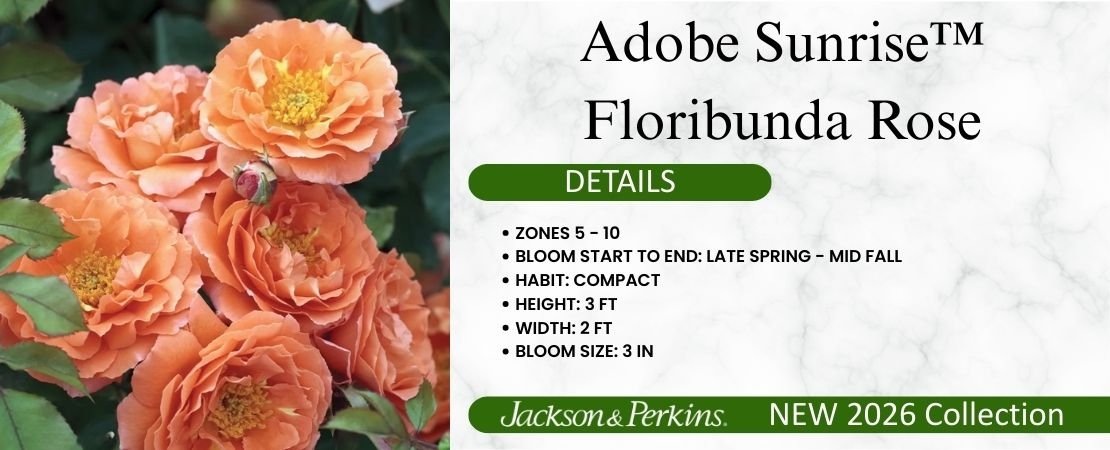
This floribunda starts in warm peach and golden apricot tones. As blooms mature, blush pink appears in the petal edges. The color shift happens gradually. You get a range of tones on the same plant at the same time.
The stems are thick enough to support the blooms without flopping. That matters when you're cutting for arrangements or when summer storms roll through. Fragrance is moderate and sweet, the kind that carries a few feet but doesn't dominate a garden bed.
Ruffled Romance™ reblooms quickly. In trial fields, it produced consistent flushes from early summer through the first hard frost. Foliage stayed clean even when other roses in the same row showed black spot. It works as a border plant, a mass planting, or a cut flower source.

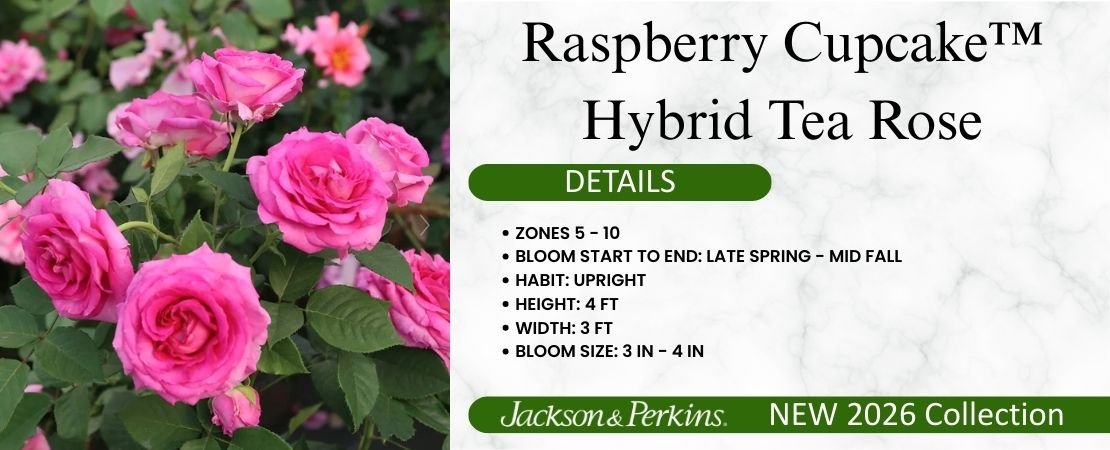
Hybrid teas get criticized for being high maintenance. This one isn't.
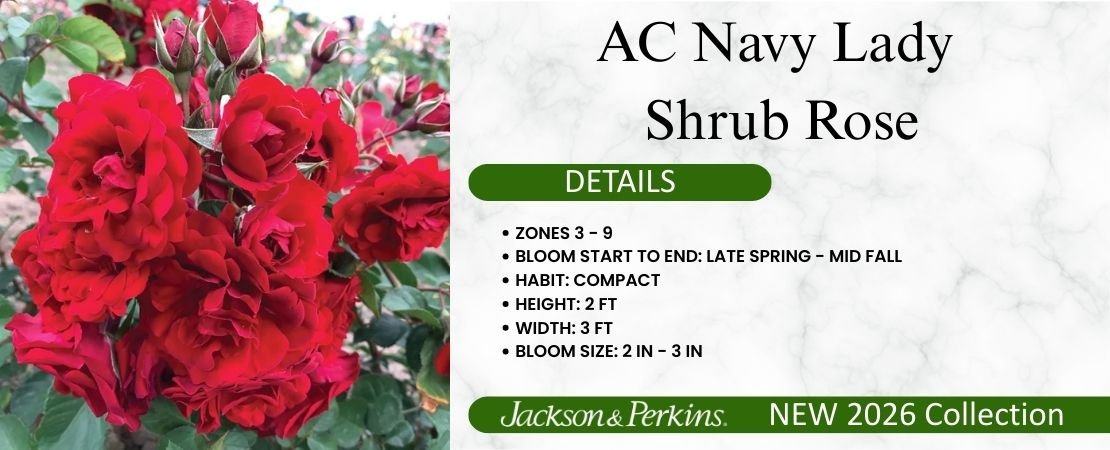
The color is a saturated, true red. Not crimson. Not scarlet. Just red. The bloom edges resist the browning that plagues many red roses after a few days. Petals hold their form longer than most hybrid teas, which makes this reliable if you cut roses for the house.
Stems are long and straight. The plant grows upright without sprawling. Fragrance leans slightly spicy, closer to what older garden roses smell like than modern hybrid teas. In field trials, this variety maintained symmetrical form without needing corrective pruning. It grows the way it's supposed to grow.

Flash Gordon is a floribunda with semi-double blooms in vivid pink. The open center makes it pollinator friendly. Bees were all over this variety during trials.
Heat performance stood out. Other roses in the same trial field opened too fast when temperatures spiked or dropped petals early. Flash Gordon stayed vivid and productive. Blooms lasted longer. The plant rebloomed faster between cycles.
The growth habit is low and even. It doesn't shoot up tall stems and fill in later. From the start, it grows as a balanced, compact plant. That makes it easy to use in mixed beds or as a low-maintenance landscape rose.

This isn't a single variety. It's a group of roses selected specifically for gardeners in USDA zones 3 through 6.
Cold-hardy roses usually get evaluated based on survival. These were tested for more than that. The question was whether they'd come back strong with uniform growth and dense foliage after winter dieback.
These roses went through repeated freeze-thaw cycles. They experienced winter dieback and had to regrow from the crown. The ones that made it into this collection returned with even growth, good foliage density, and strong bloom performance. No sparse, scraggly regrowth. No delayed flowering while the plant recovered.
If you garden where winter kill is a regular concern, these roses won't make you start over every spring.
Field trials happened in multiple locations across different hardiness zones. The goal was to see how each variety responded to different climates, soil types, and seasonal stress.
Trial plots used standard garden spacing. Fertilization was moderate. Watering was consistent but not indulgent. The setup mimicked what a home gardener would actually provide.
Performance was tracked throughout the entire growing season. Rebloom speed matters as much as first flush. Foliage health in September matters as much as it does in June. Color stability under late-summer sun matters. So does petal drop rate after rain.
Some varieties looked incredible in their first season but declined in year two. Those didn't advance. The roses in this collection showed consistent or improving performance across three full growing seasons.
Start with your site conditions. Most of these roses prefer full sun, at least six hours of direct light per day. Flash Gordon and the Cold Hardy selections tolerate partial shade better than the others, but they still perform best with strong light.
Growth habit matters if you're working with limited space or specific design plans. Ruffled Romance™ grows as a compact, bushy plant. It works well in borders or container plantings. Sealed with a Kiss has a more upright habit. It's taller, more vertical, better suited for background plantings or as a specimen rose. Flash Gordon stays low and spreads evenly, which makes it useful for mass plantings or front-of-border spots.
Fragrance varies. If scent is a priority, Ruffled Romance™ and Sealed with a Kiss both offer reliable fragrance. Flash Gordon is more about color and performance than scent. It has a light fragrance, but that's not the focus.
Think about how you'll use the roses. For cut flowers, hybrid teas like Sealed with a Kiss are the better choice. The stems are longer, the blooms are more formal, and vase life is strong. For coverage or mass impact, floribundas like Ruffled Romance™ and Flash Gordon offer more blooms per plant and faster rebloom cycles.
Consider your zone. If you're in zone 6 or colder, the Cold Hardy Collection was specifically selected for your conditions. These roses were tested for crown regrowth and winter recovery beyond simple survival.
Rose breeders work years ahead of what gardeners see. A rose released in 2026 was likely started as a seedling in 2018 or earlier. Most varieties go through eight to ten years of evaluation before introduction.
Some roses in this collection were held longer than usual. Early performance looked good, but there were questions about long-term stability. Would the color hold in year three? Would disease resistance stay consistent? Would the plant maintain its form without intervention?
Instead of rushing those varieties to market, Jackson & Perkins kept them in trials. The result is a smaller collection but a stronger one. Every rose here earned its place by proving itself over time, in multiple locations, under real-world conditions.
That approach costs more. Holding plants in trials for an extra year means delayed revenue. It means fewer new introductions each year. But it also means gardeners get roses that perform as described. You're planting something that's already been through what most garden plants never face.
The first bloom is easy. Any rose can look good in June.
What separates these varieties is what happens in July, August, and September. Do the blooms keep coming? Does the foliage stay clean? Does the plant hold its shape or turn into something you have to manage often?
The roses in the 2026 collection were selected because they stayed strong through the entire growing season across multiple years. They performed.
You can explore the full 2026 collection on the Jackson & Perkins website. These are roses that have already proven they can handle what your garden will throw at them.

