Choose Your Country

In June, your rose bush is covered in flowers. You cut a few for the kitchen, leave plenty in the garden, and start thinking you've found its perfect spot. Then summer heat settles in. The flowers get smaller, the next flush takes longer, and the plant that seemed so eager a few weeks ago slows down.
Summer heat may explain the change. Roses can pause or reduce flowering during prolonged hot weather, even when you're caring for them well. That doesn't necessarily mean you chose the wrong rose or need to do more.
Choosing roses suited to hot climates helps. So does knowing when to water, when to offer a little shade, and when to let the plant take a break. Here are three heat-tolerant varieties to consider, along with ways to help both new and established roses through summer.
A heat-tolerant rose handles high temperatures better than more sensitive varieties. Depending on the rose and the conditions, that may mean healthier growth, better flower quality, or a greater ability to keep blooming as summer heats up.
It doesn't mean every flower will look its springtime best through a heat wave. Even a well-chosen rose may produce smaller blooms or take longer between flushes during extreme heat. Look at the plant's overall condition rather than judging its performance by one hot afternoon.
Heat tolerance is also separate from drought tolerance and disease resistance. A rose can handle high temperatures and still need regular watering. In a humid garden, disease resistance deserves attention alongside heat tolerance.
When choosing a rose, check its recommended growing-zone range, mature size, sun requirements, and listed tolerances. Our heat tolerant roses collection brings together varieties to explore, with filters for growing zone, color, and fragrance.
The best rose for your garden should fit the way you want to enjoy it. Perhaps you want flowers to bring indoors, a flowering shrub beside the patio, or a climber to frame the garden gate.
These three varieties offer different ways to bring roses into a hot-weather garden. All are included in our heat-tolerant collection. Check their product pages for current availability and shipping options.
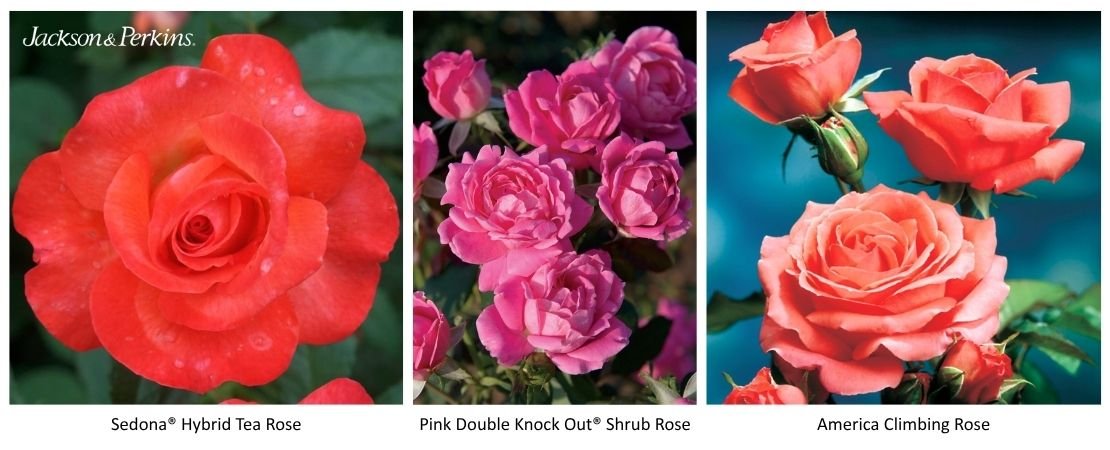
If your favorite part of growing roses is choosing a stem for a vase, take a look at Sedona. Its large, high-centered flowers blend coral, rose, red, and peach, with richer reds developing in warmer climates.
That changing color is part of its appeal. Add a pear fragrance and blooms about 5 inches across, and you have a rose that gives you plenty to enjoy up close.
Sedona reaches approximately 5 feet tall and 4 feet wide and is recommended for zones 5-10. It flowers in flushes from late spring through late fall.
Allow room for its mature width when planting. An open position makes it easier to reach the plant for watering, light cleanup, and cutting flowers.
Some gardeners enjoy tending individual flowers. Others would rather spend that time sitting beside them.
Pink Double Knock Out suits the second approach. Its double pink blooms grow on a bushy shrub that reaches about 3-4 feet tall and wide, a useful size for borders and smaller garden spaces.
Recommended for zones 5-11, it lists heat, drought, and humidity tolerance, along with disease resistance. Once established, it has slightly better heat and drought tolerance than its parent, Double Knock Out.
It is also self-cleaning, so routine deadheading isn't necessary. You can enjoy the flowers without keeping a running list of spent blooms to remove.
Remember that "once established" matters. A newly planted shrub still needs attention to moisture while its roots grow into the surrounding soil.
Picture coral-pink roses growing across an arbor, with a spicy clove fragrance greeting you as you walk beneath it. That is the kind of setting America can help create.
This repeat-flowering climber reaches approximately 10-12 feet tall and 6 feet wide and is recommended for zones 6-9. It needs full sun, room to develop, and a sturdy arbor, fence, trellis, or pergola.
Give some thought to placement before planting. Near a path or entrance, its fragrance becomes part of an everyday walk through the garden. Along a fence, its long canes can bring flowers to space that might otherwise remain bare.
Secure developing canes to their support as they grow, leaving room to reach the base for watering and care.
When roses slow down in summer, it's tempting to reach for fertilizer or prune them back in hopes of encouraging another flush. Start with the basics instead: soil moisture, mulch, and the amount of heat reaching the plant.
Check the soil beneath the mulch, about 2 inches below the surface. If it feels dry, water slowly and deeply at the root zone.
A quick splash can wet the surface without thoroughly moistening the soil around the roots. Take your time, especially where water tends to run off before soaking in.
Morning is a good time to water. If leaves get wet, they have time to dry during the day. Your roses' needs will change with rainfall, wind, soil, and the weather, so use the condition of the soil to guide you rather than following the same schedule all summer.
Newly planted roses need more frequent checks than established bushes. Their roots are still developing, and they have less access to moisture beyond the planting area.
Maintain 2-4 inches of organic mulch, keeping it 4-6 inches away from the base of the rose.
Wood chips, shredded bark, and shredded fallen leaves are useful options. Spread the mulch over the surrounding root zone, and check what is already there before topping it up.
Mulch helps conserve moisture and moderate soil temperature. Leaving space around the base keeps it from piling against the canes.
Pull back a small section when checking moisture. A dry-looking mulch surface doesn't always tell you what the soil beneath it needs.
In very hot gardens, a position with strong morning light and some afternoon shade can offer a useful balance.
Watch how the sun moves through your garden before choosing a planting spot. A bed that feels comfortable in the morning may receive several hours of intense afternoon heat, especially beside paving or a wall.
A garden structure can provide shade without crowding the rose. If nearby shrubs provide protection, allow enough space for airflow and avoid planting where their roots will compete heavily for water.
Roses still need plenty of light. The aim is relief from the strongest afternoon sun while retaining enough sun for healthy growth and flowering.
Leave healthy foliage in place during extreme heat. It helps shade the plant, and heavy pruning adds another demand when the rose may already be slowing down.
For varieties that benefit from deadheading, remove spent flowers lightly rather than cutting long sections from each stem. Self-cleaning roses, including Pink Double Knock Out, don't need routine deadheading.
Major pruning belongs in the appropriate season for your rose and climate. Once-blooming roses also need different timing from repeat-flowering varieties.
A rose taking a break during prolonged heat doesn't necessarily need more fertilizer. Avoid heavy feeding to force growth from a stressed plant, and focus first on consistent moisture.
What happens next depends on where you garden. In warm regions with a long autumn growing season, cooler nights may bring renewed growth and an opportunity to resume feeding. In colder regions, late summer may be the time to stop feeding and allow roses to prepare for winter.
Our Rose Care Calendar explains those regional differences. Follow the fertilizer label, and adjust your routine to the plant's condition and your local season.
Bare root roses are a good way to start a rose garden, including in regions with hot summers. Planting during the cooler part of the year gives them time to begin establishing before the hottest weather arrives.
The usual planting window is while the rose is dormant and the soil is workable. In mild-winter regions, that may mean late winter; in colder areas, it generally means spring. Local weather matters more than a calendar date alone.
If your bare root rose arrives as temperatures are warming, you still have options. Unpack it promptly, follow the supplied planting instructions, and give it careful attention to moisture and exposure while it establishes.
Our Late Season Bare Root Rose Planting Guide explains approaches for warmer conditions, including temporary potting in a protected position. This can give roots time to develop before moving the rose to its permanent garden spot.
Where temporary shade is needed, increase sun exposure gradually as the plant settles in rather than removing protection on a fixed date.
We ship container roses in fall, offering another opportunity to add roses to the garden as summer heat eases. For help planning either season, see When to Plant Bare Root Roses vs. Container Roses.
A pot beside a sunny seating area puts rose flowers and fragrance within easy reach. It also gives the roots a smaller space to draw moisture from, so container roses need particular attention during hot weather.
Choose a variety suited to container growing and a generously sized pot with drainage holes. Use potting mix intended for containers, and leave space below the rim so you can water without it immediately spilling over the sides. Our guide to growing roses in pots and containers covers the setup in more detail.
Check moisture daily during hot weather, and water when needed. Apply water slowly until it drains from the bottom, then let the excess escape. Don't leave the pot standing in a full saucer.
Think about the container's exposure as well as the rose's. Light-colored pots absorb less heat than dark ones, and protecting the pot from intense afternoon sun can help reduce heating around the roots.
If flowers struggle during the hottest weeks, try a position with morning sun and afternoon shade while retaining enough light for the plant.
A rose garden won't look exactly the same during the hottest weeks of summer as it did in spring. Flowers may come in smaller waves, and some plants may rest until conditions improve. Choose varieties suited to your garden, keep the roots supplied with moisture, and give the plants time to respond. There is still plenty of pleasure in watching the next buds open.

