Choose Your Country

As the summer heat intensifies, many gardeners face the challenge of keeping their gardens vibrant without relying heavily on hand watering. In arid environments, it’s crucial to choose plants that can thrive in dry conditions. Drought-tolerant plants, including a variety of succulents, Mediterranean herbs, and other resilient species, offer a practical and beautiful solution. Read on to learn more about top picks of plants for dry conditions, the benefits of these plants, and the distinction between drought-tolerant gardening and xeriscaping.
Drought-tolerant plants are characterized by their ability to thrive with minimal water. These plants typically have adaptations such as deep root systems that can access water from deeper soil layers, thick leaves or stems that store water, and small or narrow leaves that reduce water loss through transpiration. Additionally, many drought-tolerant plants have waxy or hairy leaf surfaces that minimize evaporation. These characteristics allow them to maintain health and productivity even during extended dry periods, making them ideal for arid environments and water-conserving gardens.
Selecting the right plants for dry conditions can save time by alleviating hand watering needs while enjoying the beauty of your resilient and sustainable garden. Here are some top choices:
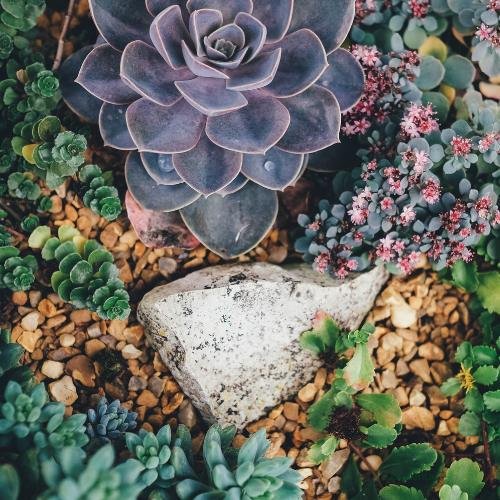
Succulents are renowned for their ability to store water in their leaves, stems, and roots, making them ideal for drought-prone areas. Popular varieties include:
Aloe Vera: Not only is Aloe Vera easy to grow, but it also has medicinal properties. It thrives in well-drained soil and full sunlight.
Sedum: With numerous varieties, Sedum offers a range of colors and textures. These low-maintenance plants are perfect for ground cover.
Echeveria: Known for its rosette shape, Echeveria is a striking addition to any garden. It requires minimal water and prefers sunny spots.

Mediterranean herbs are adapted to dry, sunny climates. They are not only drought-tolerant but also enhance your garden with their aromatic qualities.
Lavender: This herb is famous for its fragrance and beautiful purple flowers. Lavender thrives in well-drained soil and full sun.
Rosemary: An excellent choice for a drought-tolerant garden, rosemary is both ornamental and useful in the kitchen.
Sage: With its gray-green leaves and lovely blooms, sage is a hardy plant that requires little water once established.
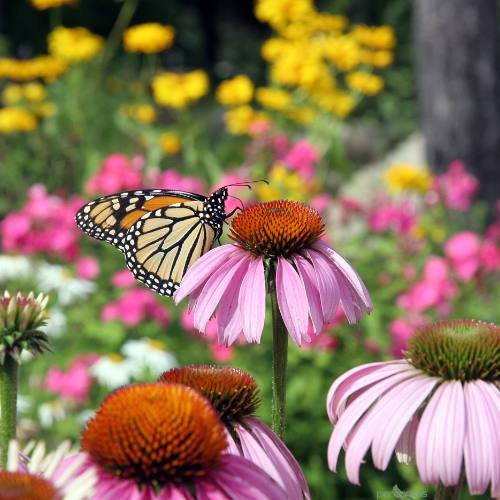
Perennials are a great investment for drought-tolerant gardens, as they come back year after year with minimal water requirements.
Yarrow (Achillea): Yarrow is a tough plant that can withstand drought and poor soil. It produces clusters of tiny flowers that attract pollinators.
Russian Sage (Perovskia atriplicifolia): This plant features silvery foliage and lavender-blue flowers, providing both beauty and drought resistance.
Coneflower (Echinacea): Coneflowers are resilient plants with daisy-like blooms that attract butterflies and bees.
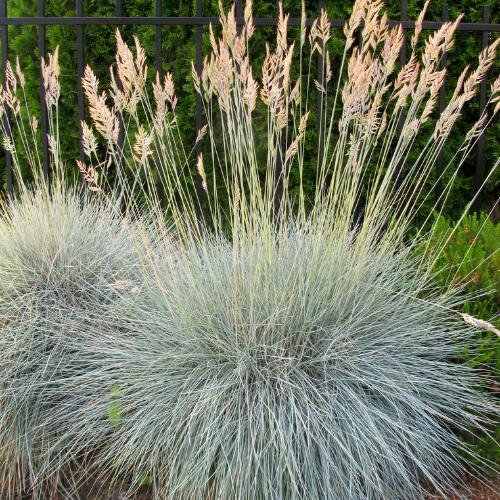
Ornamental grasses add texture and movement to the garden while being highly drought-tolerant.
Blue Fescue (Festuca glauca): This compact grass has blue-gray foliage and thrives in dry conditions.
Feather Reed Grass (Calamagrostis x acutiflora): Known for its tall, feathery plumes, this grass is both drought-tolerant and visually striking.
Purple Fountain Grass (Pennisetum setaceum): With its reddish-purple plumes, this grass adds color and is well-suited to arid climates.

Native plants are an excellent choice for drought-tolerant gardens because they are naturally adapted to the local climate. Here are some top native plants for arid environments:
California Poppy is the state flower of California and thrives in dry, sunny conditions. Its bright orange flowers are a cheerful addition to any garden.
This low-growing perennial produces white, daisy-like flowers and is extremely drought-tolerant. It's perfect for rock gardens and borders.
Blue Flax is a delicate, native wildflower that produces sky-blue blooms. It’s well-suited to dry, sandy soils and adds a soft, natural touch to the garden.
This native perennial is not only drought-tolerant but also attracts pollinators. Its large, purple blooms are a favorite in any garden.
Desert Marigold is a short-lived perennial that produces bright yellow flowers. It thrives in full sun and poor, well-drained soils.
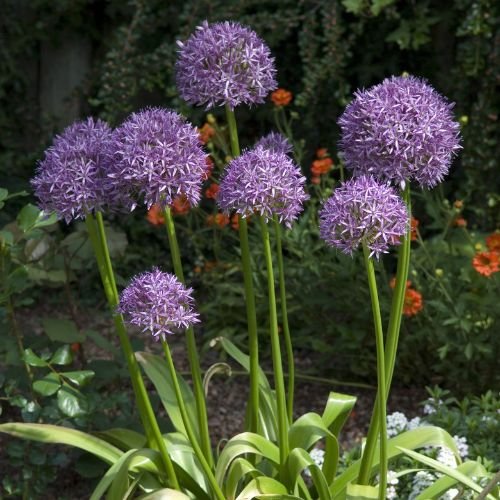
Some of the most water-wise plants in any garden grow from bulbs and once established, many need almost no supplemental irrigation at all. The key is choosing bulbs whose natural biology aligns with dry summers: they bloom in spring, go dormant when the heat arrives, and prefer to bake in dry soil until fall. Disrupting that cycle by watering through summer is often what causes them to rot.
Few bulbs are as genuinely drought-tolerant as alliums. They're members of the onion family, and like their culinary cousins, they resent wet soil. Plant in full sun with excellent drainage and they'll return reliably for years, even in poor, dry soil. Drumstick allium (Allium sphaerocephalon) produces deep wine-purple globe flowers on tall stems and naturalizes easily without any summer water.
Bearded iris rhizomes need a dry summer dormancy to set next year's blooms. In fact, too much summer moisture is the primary cause of the rot and poor rebloom. Plant with the tops of the rhizomes exposed to full sun, skip the hose after the foliage fades, and they'll perform far better in a dry garden than a wet one.
Once daffodil foliage dies back in late spring, these bulbs enter a natural drought dormancy that lasts all summer. They don't need, and don't want, water during that period. Plant them in fall, let spring rains carry them through bloom, and leave them alone the rest of the year. They're among the least demanding bulbs available, and they multiply steadily without any extra effort.
Crocosmia forms dense corms that establish quickly and spread into self-sustaining clumps. Once rooted in, it needs almost no supplemental water and delivers arching stems of flame-orange or red blooms in midsummer, one of the more dramatic dry-garden plants you can grow from a corm. In mild climates it's perennial; in colder zones it comes back reliably from stored corms.
Gladiolus corms perform better in drier soil than moist. They need consistent moisture from planting through spike formation, but once established, they're far more tolerant of dry stretches than most gardeners expect. Plant in full sun with sharp drainage and succession-plant every two weeks from spring through early summer for blooms from July into September.
Drought-tolerant plants offer several advantages that make them ideal for arid regions:
Water Conservation: These plants require significantly less water, helping conserve this precious resource.
Low Maintenance: Once established, drought-tolerant plants need minimal care, saving time and effort.
Environmental Benefits: Reduced water usage means less strain on local water supplies and a lower environmental footprint.
Aesthetic Appeal: These plants provide beauty and diversity to gardens, with many offering vibrant flowers and interesting foliage.
While both drought-tolerant gardening and xeriscaping focus on water conservation, there are some differences between the two approaches:
Focus: Primarily involves selecting plants that require minimal water.
Plant Selection: Includes a wide range of plants, including those not native to the local environment but adapted to dry conditions.
Design: Can incorporate traditional garden designs but with plants that can survive with less water.
Focus: A comprehensive landscaping method designed to reduce or eliminate the need for supplemental water.
Principles: Incorporates principles such as soil improvement, efficient irrigation, and the use of mulch to reduce water loss.
Plant Selection: Emphasizes the use of native plants and those naturally suited to the local climate.
Design: Often features a more naturalistic approach, with an emphasis on sustainability and harmony with the local environment.
Planning and Design: Start with a well-thought-out plan that takes into account the local climate, soil conditions, and water availability.
Soil Improvement: Enhance soil quality by adding organic matter to improve water retention and root growth.
Efficient Irrigation: Use drip irrigation or soaker hoses to deliver water directly to the roots, reducing evaporation and runoff.
Mulching: Apply a thick layer of mulch to conserve moisture, suppress weeds, and maintain even soil temperatures.
Appropriate Plant Selection: Choose plants that are well-adapted to the local climate and require minimal water.
Reduced Lawn Areas: Minimize turf areas in favor of ground covers, perennials, and other drought-tolerant plants.
Maintenance: Regularly maintain your xeriscape garden by weeding, pruning, and monitoring the irrigation system.
In arid environments, embracing drought-tolerant plants and xeriscaping techniques can transform your garden into a sustainable, low-maintenance retreat. By selecting plants that thrive in dry conditions, you can conserve water, reduce your environmental impact, and enjoy a beautiful, resilient garden. Browse Jackson & Perkins wide selection of drought-tolerant plants and find expert gardening advice to help you realize your gardening dreams.
What's the difference between a drought-tolerant plant and one that just survives drought?
A truly drought-tolerant plant doesn't just survive dry conditions, it's adapted to them and often performs better without supplemental water once established. Survival plants may limp through a dry stretch but show stress, reduced bloom, or dieback. The plants in this guide, alliums, bearded iris, lavender, echinacea, ornamental grasses, are genuinely built for dry conditions, not just tolerant of them temporarily.
How long does it take for drought-tolerant plants to establish?
Most perennials, bulbs, and ornamental grasses need one full growing season to develop the root systems that make them drought-tolerant. During that first season, water regularly. By year two, most will handle dry stretches without help. Bulbs like daffodils and alliums establish faster, often within a single season, because they store energy underground.
What's the best soil for a drought-tolerant garden?
Well-drained soil is more important than soil fertility for most drought-tolerant plants. Sandy or loamy soil that dries out between waterings outperforms rich, moisture-retentive soil every time. If you're working with heavy clay, amend it with horticultural grit or crushed granite or raise the bed. Mediterranean herbs like lavender and rosemary actually prefer lean, low-fertility soil, too much organic matter encourages soft growth that performs poorly in heat and drought.
Can I grow drought-tolerant plants in containers?
Yes. Containers work well for many drought-tolerant plants, especially alliums, bearded iris, lavender, sedum, and ornamental grasses. Use a fast-draining potting mix, choose unglazed terra cotta if possible (it breathes and dries faster than plastic), and avoid oversizing the pot. Containers do dry out faster than in-ground plantings, so monitor closely during the first season while roots establish.
Do drought-tolerant plants need fertilizer?
Most don't need much. Ornamental grasses, Mediterranean herbs, and native wildflowers like California poppy and coneflower perform better in low-fertility soil. Excess nitrogen pushes leafy growth at the expense of flowers. A light top-dressing of compost in spring is usually sufficient. Bulbs benefit from a low-nitrogen, phosphorus-rich fertilizer at planting time to support root and bloom development.
What's the best mulch for a drought-tolerant garden?
Gravel or decomposed granite mulch works better than wood chips for most drought-tolerant and Mediterranean plants. It allows the soil surface to dry between rains (which these plants need) while still moderating soil temperature. Wood chip mulch retains too much moisture around the crown of plants like lavender, rosemary, and bearded iris, which can cause rot. Use gravel mulch around bulbs and Mediterranean herbs; wood chips work fine around coneflowers, yarrow, and ornamental grasses.
Is xeriscaping the same as having a boring garden?
Not even close. The plants in a well-designed xeriscape, like ornamental alliums, crocosmia, bearded iris, lavender, coneflower, ornamental grasses, California poppy, offer more seasonal color and texture than most conventional gardens. The difference is intentional plant selection rather than fighting the climate. A garden designed around what naturally thrives in your conditions almost always outperforms one built around what needs intervention to survive.

