Choose Your Country
A bare root rose that arrives firm, hydrated, and ready to plant is the result of decisions made long before the box was sealed. Jackson & Perkins times every shipment to your USDA hardiness zone, ships plants at peak dormancy, and packages them to arrive in the same condition they left our cold storage or fields.
That care doesn't start at the shipping dock. The greenhouse team, the people who prepare plants for shipment, and the staff who coordinate timing all touch the same order before it reaches your doorstep. This post is the third installment in our Jackson & Perkins quality series, following our looks at bare-root rose grading and cold storage for bare-root roses. How are plants shipped at Jackson & Perkins? We pack them to stay secure, protect moisture where it is needed, and schedule delivery for the planting window that fits your USDA hardiness zone.
High-quality shipping protects the work already done in the cooler and greenhouse. A healthy plant can lose ground fast if it shifts in the box, dries too much in transit, or arrives long before the garden is ready for it to be planted.
We treat shipping as part of plant care because that is exactly what it is. A Jackson & Perkins order passes through several hands before it ever leaves us, and each step has the same purpose: send the plant out in planting condition, not simply in sellable condition.
That mindset comes naturally to gardeners. We know the feeling of waiting on a rose you have already pictured in the border or near the front walk. We also know how disappointing it is when a plant arrives stressed, dry, or too early for the season. Reliable shipping should remove that worry, not add to it.
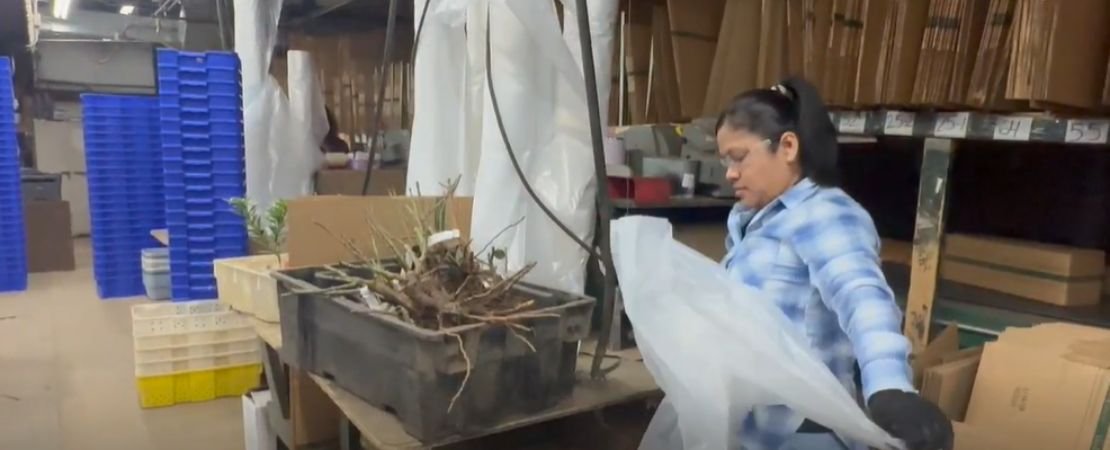
We pack plants to reduce movement in transit because movement is what causes many of the problems gardeners worry about. When a rose, perennial, or shrub slides inside the box, canes can rub, stems can bend, and the plant can arrive looking more handled than it should.
Our packaging is built to keep the plant settled during the trip. The goal is simple: hold the plant securely enough that normal shipping movement does not turn into bruising, breakage, or root disturbance. That is one of the behind-the-scenes differences between expert plant shipping and packing a live plant the way you would pack a household item.
We also use sturdy, well-sealed boxes that help protect plants through the routine handling that happens between our greenhouse and your front door. Customers should be able to open the box and see care in the presentation. The plant inside should look exactly like what it is: field grown, properly conditioned, and ready to go in the ground.
Plant packaging has to do more than close up around the order. It has to support live material that is still breathing, still holding moisture, and still vulnerable to jostling while it travels.
If you are comparing mail-order plants, these are the practical things good packaging should accomplish before the box goes out:
Those details may sound ordinary until you think about the alternative. A live plant only gets one first trip to the garden.
Roses sometimes travel with added moisture because roots and canes need protection from drying too much during transit. When conditions call for it, damp packing material helps hold hydration around the plant while it is in the box.
Many Jackson & Perkins customers have seen this firsthand when they open a rose shipment and find damp paper or other moisture-conscious packing around the plant. That is not accidental. It is a practical way to help the rose arrive with better moisture retention than it would have if it traveled dry.
We do that kind of packing selectively and with purpose. The goal is not to soak the package. The goal is to keep the plant from losing more moisture than it should on the way to you.
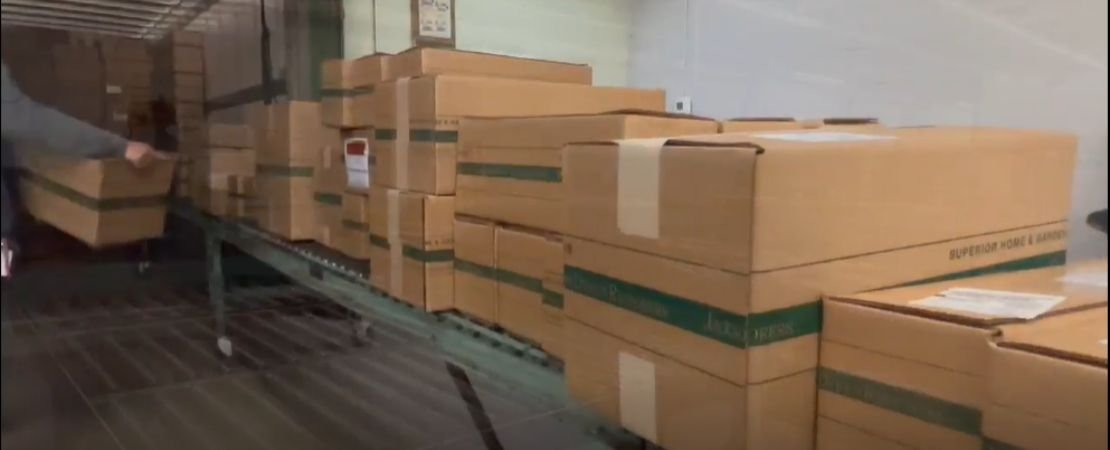
We ship by USDA hardiness zone because planting timing affects how well a plant establishes after arrival. Sending a rose or perennial too early can expose it to weather the customer still cannot plant into, while sending it too late can shorten the best planting window.
That is why orders do not always leave cold storage the moment they are placed. We schedule shipping around regional planting readiness, seasonal conditions, and the customer's growing zone.
For the customer, that timing removes a lot of guesswork. You are not trying to force a plant into cold soil because the shipment arrived on a generic retail schedule. You are receiving it closer to the time when planting conditions make sense in your part of the country. If you want a broader view of those regional windows, our Rose Care Calendar is a helpful place to start.
Ordering plants online is often easier because it gives you access to the right plant at the right planting time without asking you to haul it home yourself. That is especially useful with roses, larger shrubs, and specialty varieties that many local stores either do not carry or carry only briefly. Online, you also find the expanded selection that doesn't fit on a retail shelf, rarer climbing roses, hard-to-source species roses, and newer introductions that may not reach local garden centers for years, if ever.
Shopping from home also gives you room to compare forms, colors, growth habits, and planting windows without rushing through a garden center aisle. You can choose a bare-root rose for dormant-season planting, a container rose for a different window, or plan a full bed around what will perform in your zone. Our guide to bare-root roses versus container roses helps with that decision.
Then the practical part takes over. We do the packing. We do the timing. The plants arrive at your doorstep when the season is closer to ready. No heavy nursery pots, no dirt in the car, no hauling.
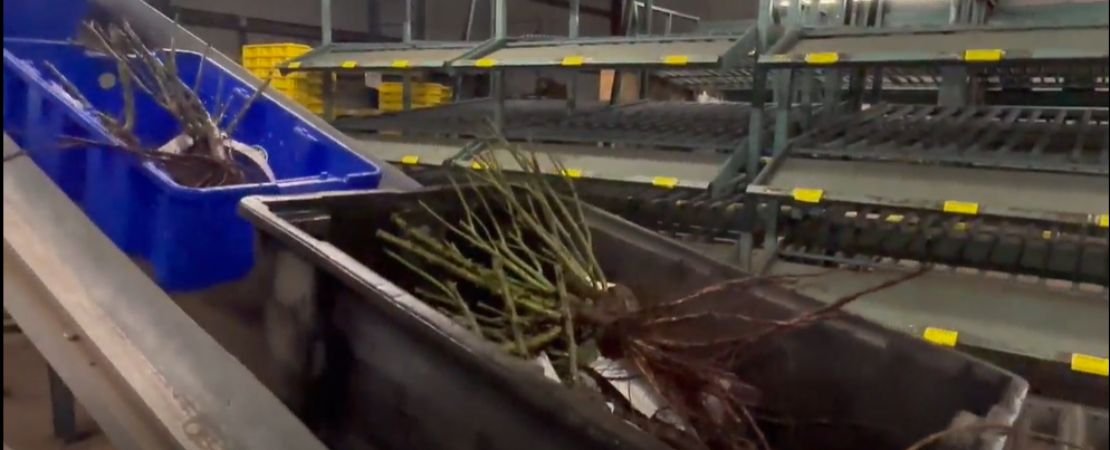
Mail-order plants arrive in good condition when the nursery controls the details customers usually think about most. We start with healthy plants, hold them securely in the package, protect hydration when needed, and line up shipping with planting conditions instead of shipping on a one-date-fits-all calendar.
That process is one reason Jackson & Perkins has kept the confidence of gardeners for generations. We have been in business for more than 150 years, and that kind of history is built on repeat customers who know the plant that arrives should reflect the standards behind the name.
Whether you are ordering a single rose as a gift or planning an entire bed, the point is the same. Shopping from home should feel easy because the team behind the scenes has already done the careful work for you.
These are the questions customers usually ask when they are deciding whether buying plants online is the right choice.
Plants can travel well when they are packed to stay secure in the box. We use packaging meant to reduce movement, protect stems and canes, and help the plant arrive in planting condition rather than simply make it through the trip.
Live plants are protected by support that helps hold them in place and by sturdy outer packaging that stands up to normal handling in transit. The goal is to limit shifting, rubbing, and breakage before the shipment reaches your door.
Roses are packed with moisture protection when that support is appropriate for the trip. Customers often notice damp paper or similar material in a rose package because it helps the plant hold hydration while it travels.
Orders are scheduled for the planting window that fits your USDA hardiness zone and the season, not simply by the order date. That timing helps plants arrive when you are more likely to be able to plant them promptly and successfully.
We time plant delivery by zone so the shipment lines up more closely with regional planting conditions. If you want to understand how those windows change through the season, our Rose Care Calendar gives useful context by region and season.
Ordering plants online is safe when the nursery knows how to handle live material from packing bench to delivery. Secure packaging, moisture management, and zone-based scheduling solve most of the problems that make gardeners nervous about mail-order plants.
You should be able to order from home, open the box, and feel that the plant was handled by people who care what happens after delivery, because we do.

