Choose Your Country

Most people order bare root roses with a picture already in mind. The climber is going over the arbor. The cutting garden needs another hybrid tea. The new bed finally has room for the variety you have been thinking about since winter.
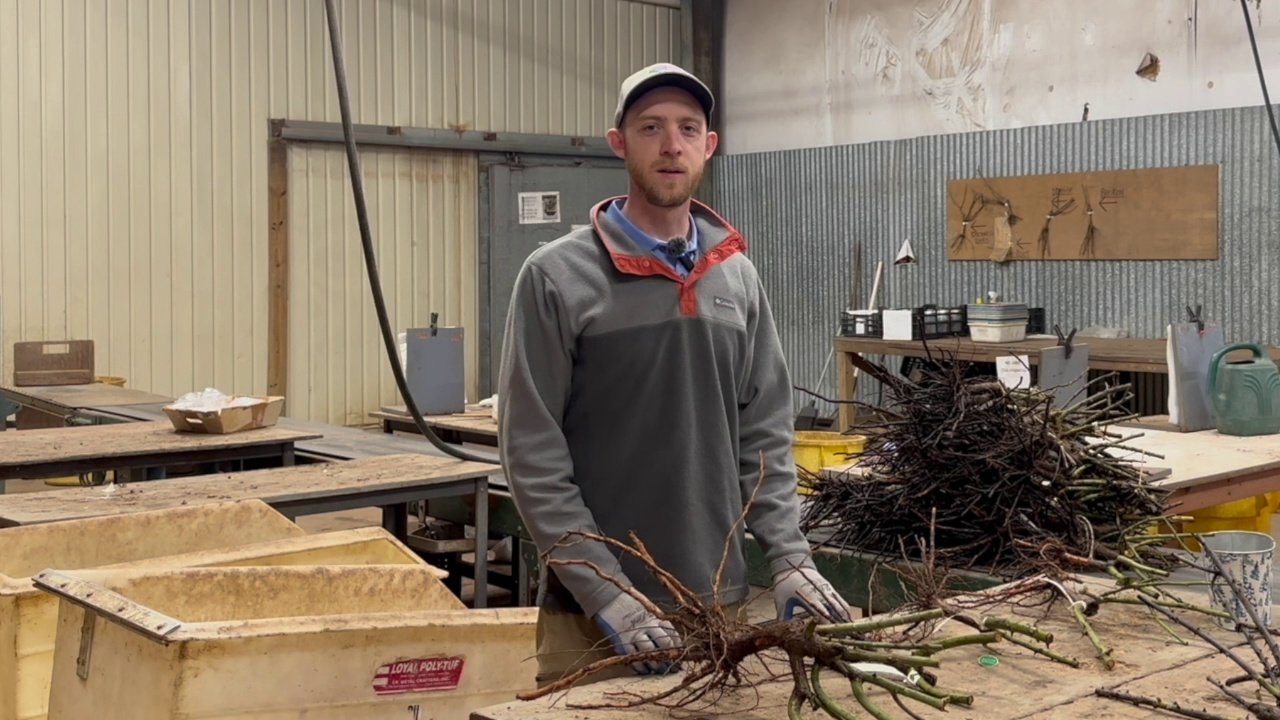
Bare root season is when those plans start to feel real. The selection is wide, the value is good, and the roses are still dormant enough to ship well. What most gardeners never see is the work that happens before a rose is ever offered for sale. In our grading video, Jackson & Perkins horticulturist Brad, who studied at Clemson University and has worked as a lead horticulturist and plant disease diagnostician, shows how that process works. By the time a rose appears in our bare root rose collection, it has already been graded, stored, and prepared for shipping.
Bare root rose grading is the nursery step where dormant roses are sorted by cane count, cane diameter, and root development before sale. It happens long before planting day, but it has a lot to do with what kind of start the rose gets once it reaches your garden.
If you buy bare root roses, you are buying the plant for what it will do once it is in the ground. There are no leaves to admire and no bloom to judge. What counts is the structure of the plant itself and whether it has the size and balance to wake up, settle in, and grow once it is planted. That is what grading helps sort out.
In the standard nursery system, Grade 1 is the highest saleable grade, Grade 1.5 is the next step down, Grade 2 is smaller stock, and culls are removed from sale. You do not need to memorize every measurement, but it helps to know what those grades are describing when growers talk about bare-root roses.
Here is the usual breakdown, then we will get into what that means for Jackson & Perkins customers.
| Rose grade | Typical bare-root rose standard | What gardeners can expect | Sold by Jackson & Perkins |
|---|---|---|---|
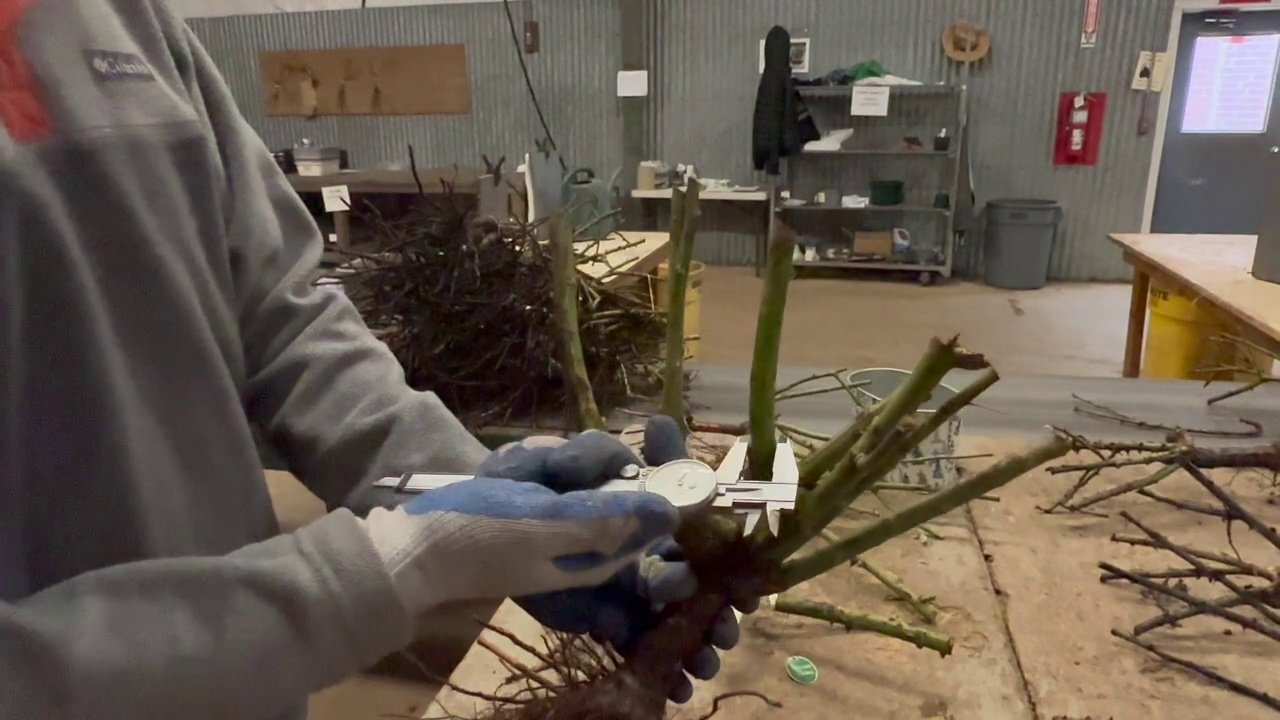
| Grade 1 | Commonly 3 or more strong canes around 5/8 inch at the base, plus a full, branched root system. | A bigger first-season start, quicker establishment, and more stored energy for early growth. | Yes |
| Grade 1.5 | Usually 2 solid canes around 1/2 inch at the base, with healthy root development. | Still good bare-root stock. It may begin a little smaller in year one, but it is still strong saleable material. | Yes |
| Grade 2 | Usually smaller canes and less substantial root mass. | Can grow, but it has less margin for stress and depends more on near-perfect planting conditions. | No |
| Culls | Plants that fall below sale standards because of weak cane structure, weak roots, or imbalance. | Not suitable for customer sale. | No |
Climbing roses are judged a little differently because cane length carries more weight, but the idea is the same. The grade is still a way of sorting which dormant plants are ready for sale and which ones are not.
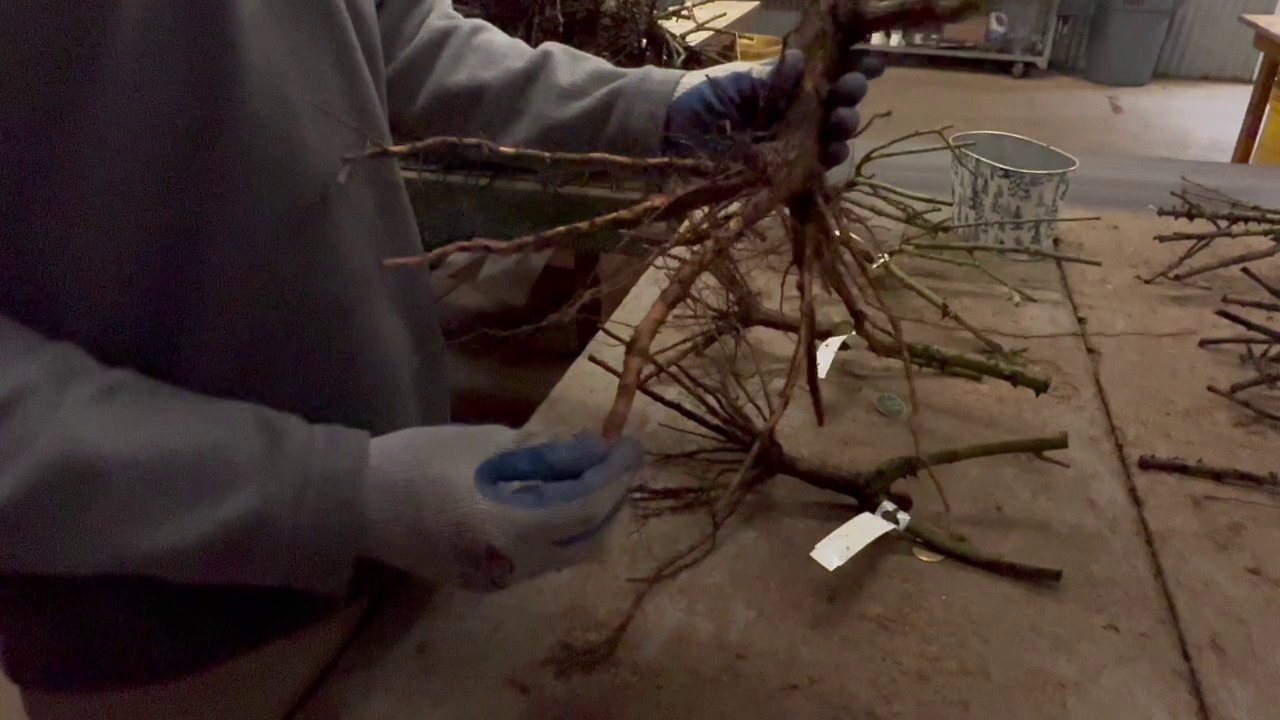
Bare-root rose grade affects early growth because it influences the size and balance of the plant you start with. When you plant a dormant rose, you are asking it to wake up, root into new soil, and push growth before the season gets away from it.
A larger, better-balanced plant usually has more room to do that well. That is why Grade 1 roses are so sought after, and it is also why Grade 1.5 roses belong in the same conversation. A Grade 1.5 may start a little smaller than a Grade 1, but it is still a good bare-root rose and still a grade we are comfortable shipping to customers.
We grade bare-root roses before sale, keep them dormant until the shipping window, and ship only Grade 1 and Grade 1.5 bare-root roses to customers. That is the part of the story most gardeners never see, even though it has a lot to do with what arrives at the door.
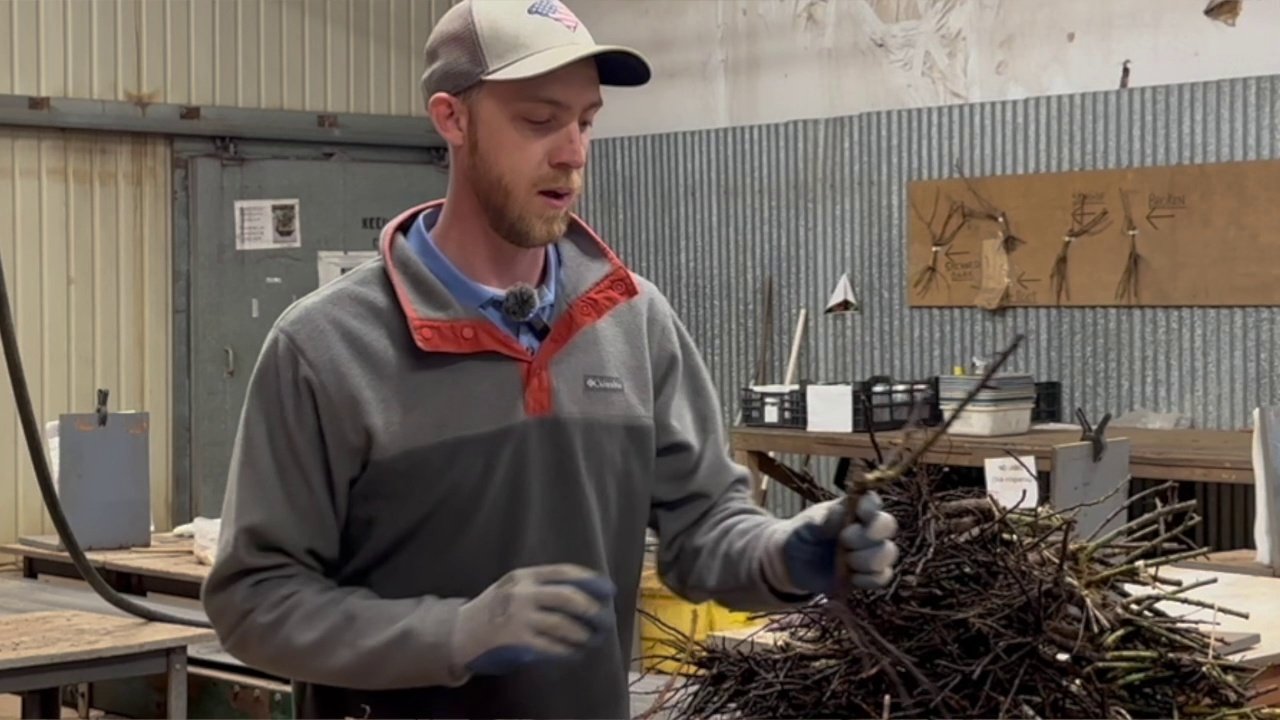
In our grading video, Brad walks through that process from the grading table. He is counting canes, checking root development, measuring cane diameter with calipers, and sorting roses one by one.
See the Jackson & Perkins bare-root rose grading video
In the video, Brad is walking through the grading work every bare-root rose goes through before it moves into storage and shipping.
Grading establishes whether a bare-root rose meets our sale standards as a Grade 1 or Grade 1.5 plant. From there, the job is to hold that rose in proper dormant storage until it is time to ship. We keep our bare-root roses in a wet cooler just above freezing with 100 percent humidity, which helps prevent roots from drying and keeps the plant from waking up too soon before it reaches the garden.
When gardeners shop bare-root roses from Jackson & Perkins, they are shopping from a collection that has already been screened to our sale standards. We do not sell Grade 2 bare-root roses or culls to customers. The bare-root roses we ship are Grade 1s or Grade 1.5s.
Most shoppers never need to ask whether a Jackson & Perkins bare root rose is a 1 or a 1.5. That sorting is done before the order is offered for sale. By the time you are browsing the bare-root rose collection, the grading work is already behind us.
Grade 1.5 is worth a quick note here. A Grade 1.5 may start a little smaller than a Grade 1, but it is still a good bare root rose and still within the standard we are willing to ship. If you are ready to shop, you can browse the full collection or start with Peace Hybrid Tea Rose.
A healthy bare-root rose should look fully dormant, well formed, and solid when it comes out of the box. The canes should feel sturdy, not soft or shriveled. The roots should feel pliable, not brittle, and the crown or bud union should look intact rather than split or damaged.
Give it a quick inspection before it goes into the ground.
Most gardeners plant bare root roses while they are still dormant or just starting to wake up. In colder climates that usually means early spring. In milder climates, late winter often works. For month-by-month timing, see our Rose Care Calendar. If you are still deciding which form to buy, our guide to bare-root roses versus container roses lays out the tradeoffs.
These are the questions that usually come up once gardeners start comparing bare-root roses.
Grade 1 means the rose met the highest standard in the common grading system, with more cane and root development than lower grades. In the garden, that usually translates to a stronger first-season start.
Yes. A Grade 1.5 may begin a little smaller than a Grade 1, but it is still solid saleable stock and still within the standard we ship to customers.
No. That sorting is done before the rose is offered for sale. Customers simply need to know that we sell only Grade 1 and Grade 1.5 bare-root roses.
No. Jackson & Perkins does not sell Grade 2 bare-root roses or culls to customers.
Buy bare-root roses if you are planting in the dormant season and want access to the broadest selection at a good value. Choose container roses if you need more flexibility on planting time or want a plant that already looks more finished. Our guide to bare-root roses versus container roses goes deeper.
Plant bare-root roses while they are dormant or just starting to wake up. In much of the country that means early spring. In warmer climates, late winter planting is common. Our Rose Care Calendar breaks that down by growing zone.
Most gardeners will never stand at a grading table or look inside a wet cooler. They will see the rose leaf out and start looking like the one they pictured when they placed the order.

