Regional Rose Care in January: Your Guide to a Flourishing Year Ahead
January is a pivotal month in the rose garden, as it sets the stage for a successful growing season. In Southern zones, roses continue to grow, while in Middle and Northern zones, plants are dormant but benefit from winter care tasks that lay a healthy foundation for spring. This month's rose care focuses on pruning, applying dormant sprays, mulching, and assessing soil health through testing.

Southern Zones (Zone 8 and Higher)
In warmer Southern zones, roses don't go dormant, so January is a great month for pruning, soil care, and applying preventative treatments.
- Prune for Shape and Health: January is an ideal time to prune roses in Southern zones. Remove any dead or weak growth, shape the plant, and prune to encourage healthy, open growth. This will help support airflow and help keep the plant healthy during the growing season.
- Apply Dormant Spray: Even in warmer climates, a dormant spray helps prevent early pests and diseases. Use a dormant copper spray coupled with horticultural oil to help protect roses from fungal issues and insects that may be present. Mix the products and apply as per directions on the label.
- Refresh Mulch: Add or refresh mulch around the base of each rose bush to retain moisture, moderate soil temperature, and suppress weeds. Apply a 2- to 3-inch layer of organic mulch, keeping it a few inches away from the canes to prevent rot.
- Soil Testing and Adjustments: Conduct a soil test to assess pH and nutrient levels. Most roses prefer slightly acidic soil (pH 6.0-6.5). Based on test results, adjust soil with amendments like lime or sulfur to optimize growing conditions for spring. A good soil test will give you guidelines on what to apply and how much.
Middle Zones (Zones 6 and 7)
In these transitional zones, January care involves essential pruning, soil assessment, and preventative treatments to prepare roses for the upcoming season.
- Prune for Structure and Health: Prune roses to remove any damaged or dead wood, and shape the plants for good airflow. Pruning at this time encourages strong, structured growth that will support healthy blooming. To determine when to prune Google the last frost date in your area using your zip code. Count back 6 weeks and that is when you should start pruning.
- Apply Dormant Spray: Use a dormant spray after pruning to protect roses from common fungal diseases and pests. This helps keep plants healthy before new growth emerges in spring, reducing the risk of early-season issues.
- Mulch for Winter Protection: If you haven't already, ensure mulch is in place to protect roots from temperature fluctuations. A 2- to 3-inch layer of mulch will insulate the soil, retain moisture, and discourage weed growth, benefiting plants as they emerge from winter.
- Soil Test and Amendments: Conduct a soil test to understand nutrient needs and pH levels. Use results to adjust soil conditions with organic amendments, setting the stage for healthy spring growth.

Northern Zones (Zone 5 and Lower)
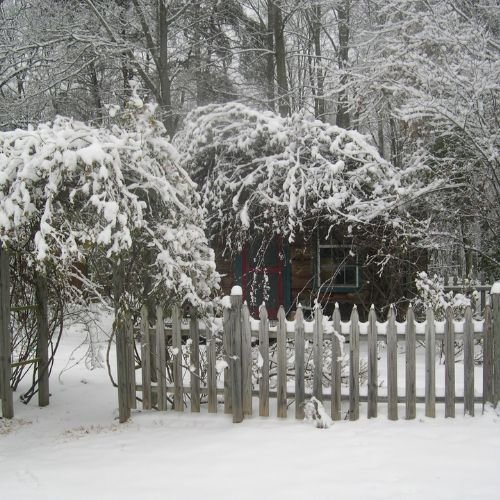
In Northern zones, January is about reinforcing winter protection, and planning for optimal soil health. While plants remain dormant, these tasks lay a strong foundation for spring.
- Prune Sparingly: Heavy pruning is best left for late winter or early spring. However, you can remove any damaged wood or canes showing signs of disease. Avoid any extensive pruning that could expose new cuts to frost. If roses are too tall you can trim them back by up to 1/3 to avoid wind damage from being whipped about.
- Reapply Mulch if Needed: Check mulch levels and replenish as necessary to keep roots protected from extreme cold. A thick 4- to 6-inch layer around the base provides insulation, especially beneficial during freezing weather.
- Soil Testing and Adjustments: Perform a soil test to assess nutrient levels and pH. Based on the results, add soil amendments like lime or sulfur to achieve an ideal pH and prepare your roses for healthy growth once they awaken from dormancy.
By following these January tasks, you'll be setting up your roses for a robust growing season. Pruning, soil testing, mulching, and applying dormant sprays at the right time provide essential protection and support for healthy growth across all zones. With these foundational steps, your roses will be well-prepared to flourish as warmer weather approaches.
RESERVE ROSES FOR SPRING SHIPPING 

