Choose Your Country

A good bare root rose should arrive properly dormant, with firm canes, moist roots, and its stored energy still intact for planting time. That gives gardeners a stronger start, because the rose is prepared to wake up where it should, in the garden.
Cold storage for roses is the nursery step that protects that planting-ready condition between grading and shipping. This is our second look at the Jackson & Perkins quality process, and it answers a question gardeners rarely get to see from the inside: how do we hold a bare root rose in excellent shape long enough for it to arrive healthy, hydrated, and ready to plant? The answer is temperature control, moisture control, and sanitation from storage through packing. You can see the result of that work in our bare root rose collection and across our broader rose collection.
Cold storage is important for bare root roses because it helps hold them in dormancy until planting time. Once a rose has been dug, graded, and cleaned for sale, the goal is to keep it cool, hydrated, and protected until the shipping window opens. If it warms too early, buds can start to swell in storage, stored energy gets spent before planting, and the rose reaches the garden with less reserve for early growth.
Growers have known this for a long time, and extension guidance says much the same thing in plain terms: bare root plants keep best when they stay cool, moist, and dormant until planting. That combination protects the root system from drying, slows respiration, and gives the plant a better chance to break dormancy on schedule after planting. For a gardener, that means more of the rose's reserves are still there when spring growth begins.
This is one reason bare root season has such a distinct pattern. We grade our roses first, keep saleable plants dormant in storage, and then ship in the proper planting window. If you read our first quality-initiative post on rose grading and bare root quality, cold storage is the next step in that same chain of care.
Cold storage keeps roses healthy through temperature control, moisture control, and sanitation. Those three jobs are practical, not abstract. They help the rose stay dormant, help the roots stay hydrated, and help protect stored plants from avoidable problems before they ever leave the nursery.
Temperature control is the first part of the job. A rose held just above freezing stays cold enough to remain dormant without letting roots freeze solid. That is the balance Jackson & Perkins uses in our wet cooler, and it is the balance nursery growers aim for because it slows the plant down without injuring living tissue.
Moisture control is the second part. Bare root roses do not have soil around the roots to buffer dry air, so moisture loss can happen faster than many gardeners expect. High humidity keeps the canes from shriveling and the roots from drying to the point where they have to spend spring recovering before they can grow.
Sanitation is the third part. Cold storage only works well when the storage environment is kept clean and the handling process is managed carefully from cooler to packing bench. That attention helps protect dormant plants while they wait for shipment and helps the rose arrive looking the way a well-handled bare root rose should.
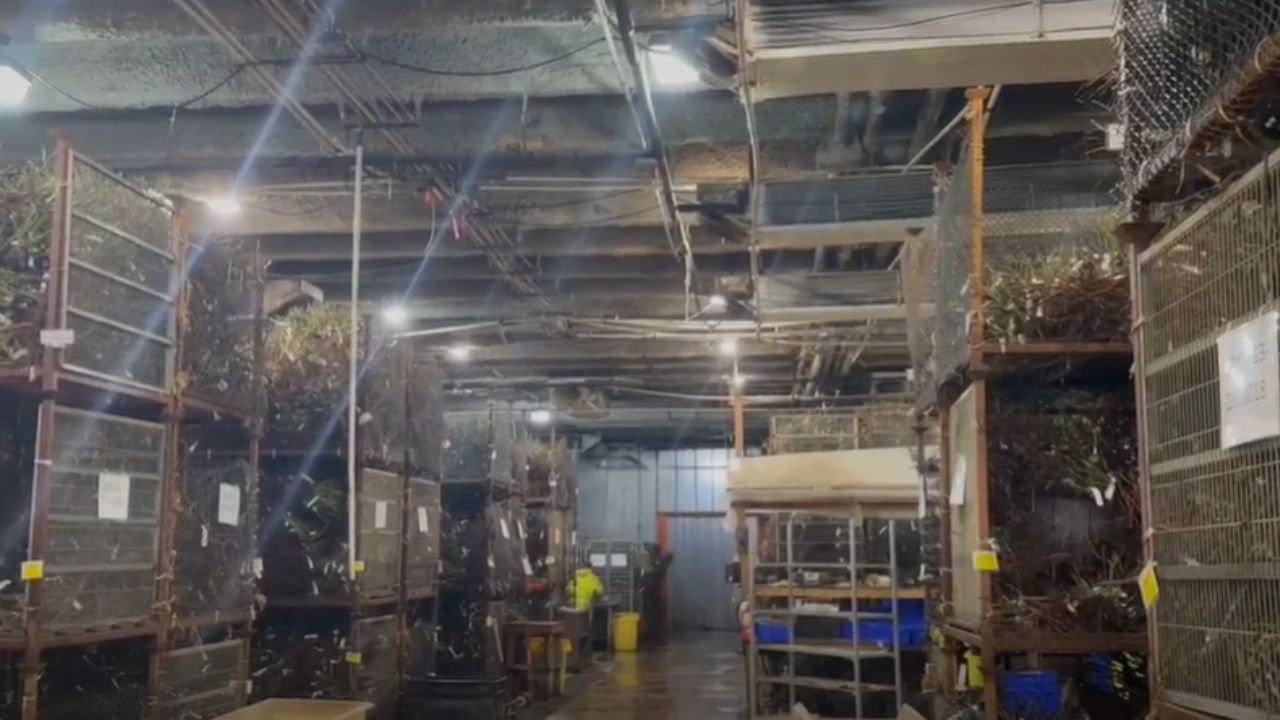
Our cold-storage process for bare root roses centers on three practical controls. If you are comparing rose nurseries or simply want to know what protects a dormant rose before shipping, these are the details that tell the story better than broad quality claims.
Those steps may sound simple, but nursery handling is built on repeatability. We are not trying to wake a rose up in storage or push growth before it reaches the garden. We are trying to deliver a dormant, well-hydrated plant with its spring energy still in reserve.
Watch the Jackson & Perkins cold storage video
Dormancy helps bare root roses travel well because the plant is still in its resting phase when it ships. A rose that has not pushed soft growth yet is less likely to lose that growth in a dark box, less likely to arrive stretched or broken, and less likely to burn through stored carbohydrates before roots are back in soil.
That is especially important with spring planting. Many gardeners plant bare root roses into cool ground when the season is only beginning to turn. In that setting, you want the rose to wake up in the garden, not in a warehouse or on a delivery truck. Once planted, the root system can rehydrate fully, start anchoring into the surrounding soil, and then support top growth in the right order.
Cold storage also helps keep expectations realistic when the box arrives. A healthy bare root rose is supposed to look dormant. It is not a potted rose in disguise. If the roots are pliable, the canes are firm, and the crown feels solid, the plant is usually showing you exactly what a well-handled bare root rose should show. If you are deciding whether this form or a potted plant fits your planting window better, our guide to bare root roses versus container roses is the right companion read.

Cold storage works because it comes after selection, grading, and culling, not before. We do not take an unsorted batch of roses, put them in a cooler, and hope the result sorts itself out later. We grade bare root roses first, remove culls and lower-grade stock from the customer stream, and store the saleable plants under controlled conditions until shipping.
That sequence is worth paying attention to. A cooler cannot fix a poor root system or weak cane structure. It can only help a good plant hold its moisture, dormancy, and planting readiness before planting time. That is why our grading standards still come first. In our quality process, cold storage protects the work already done at the grading table.
For Jackson & Perkins customers, that means the rose arriving at the door has passed through more than one checkpoint. We have been growing roses since 1872, and experience teaches the same lesson season after season: the strongest spring start usually begins with quiet steps the customer never sees. Cane count, root quality, dormancy control, and careful packing all belong in the same conversation.
If you want to plan the rest of the season around that arrival, our Rose Care Calendar helps line up planting, feeding, pruning, and seasonal care by zone. If you are shopping now, the bare root rose collection is the place to start.
A Jackson & Perkins bare root rose should arrive cool, dormant, and hydrated enough to move straight into planting prep. The canes should feel firm. The roots should feel flexible rather than brittle. The whole plant should look as though growth has been intentionally held in check, because it has.
Before you plant, take a few minutes to inspect the rose and get it ready. An unhurried first inspection tells you more than a quick glance in the driveway.
If you are planting in early spring, that timing often lines up naturally. In warmer regions, late winter may be the better window. And, great news, you don't have to think about that timing becuase we ship roses at the proper time for plantin gby Zone. The key is the same either way: do not be unsettled by a rose that still looks asleep. Dormancy at arrival is usually a sign the storage and shipping process did its job. If your rose arrives after the usual spring window, our late-season bare root planting guide walks through the safest next steps.
These are the questions gardeners usually ask once they learn that bare root roses spend time in cold storage before shipping.
Bare root roses need cold storage to stay dormant and hydrated between grading and planting season. That controlled environment helps keep roots from drying and prevents the rose from waking up too soon before it reaches the garden.
No, not when the roses are held under proper nursery conditions just above freezing with full humidity. The point is to slow the plant down without freezing the living root tissue or letting it dry out.
Humidity is important because bare root roses do not have soil around the roots to hold moisture. High humidity reduces water loss from roots and canes, which helps the plant arrive with more of its stored energy and less dehydration stress.
Yes. A bare root rose should usually look dormant or only slightly awake when it arrives. Firm canes, flexible roots, and an intact crown are better signs of quality than early leafy growth in the box.
Plant a bare root rose while it is still dormant or just beginning to break dormancy. In much of the country that means early spring, while many mild-winter climates can plant in late winter. Our Rose Care Calendar helps narrow that timing by zone.
Yes. We grade bare root roses before storage, remove culls and lower-grade stock from the customer stream, and ship only saleable Grade 1 and Grade 1.5 roses. If you want the full walkthrough, our post on what rose grading means at Jackson & Perkins covers that step in detail.
Most customers will never see the cooler, the fog system, or the packing bench. They will see a dormant rose in good condition, then the first new leaves a short time after planting.

