Choose Your Country


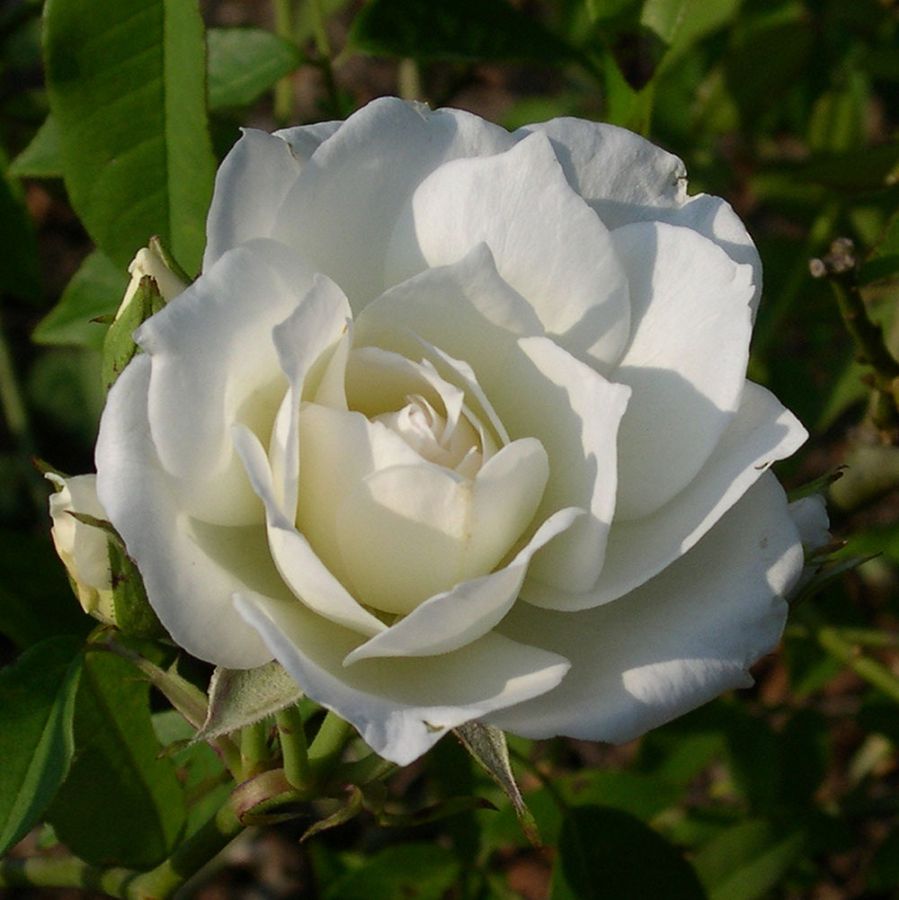
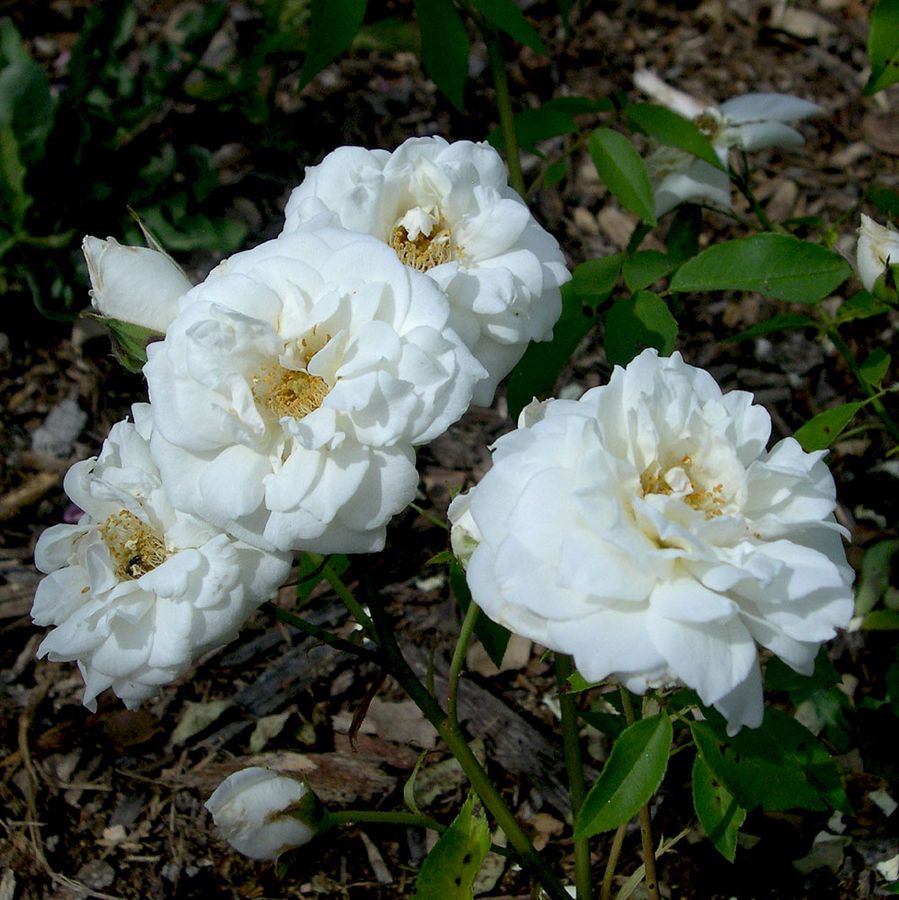
Lamarque is a charming climbing noisette rose that blends grace and fragrance into one romantic package. Its blooms begin as pale yellow buds that gradually fade to a clean, creamy white as they open, forming full rosettes 3 to 4 inches wide with 40 to 50 petals. These soft, relaxed flowers are carried on short stems that nod gently from above, creating an elegant, cascading effect when grown on arbors, fences, or trellises. Lamarque is prized not only for its visual beauty but also for its moderate lemon tea fragrance, a classic scent that enhances its old-fashioned appeal. With a mature height of 8 to 12 feet, it's a medium-sized climber with exceptional charm.
This rose is a standout in cottage gardens, fragrant walkways, or as a vertical focal point on pergolas and arched structures. The relaxed stems and nodding blooms give Lamarque a soft, romantic feel, perfect for classic garden settings. It pairs beautifully with deep purple clematis for a dramatic contrast in color and texture. The medium green foliage creates a clean backdrop that highlights the delicate, creamy blooms. Whether used to frame a garden entrance or trail gracefully along a fence, Lamarque offers elegance and extended seasonal interest from late spring through mid fall.
Hardy in USDA Zones 7 through 10, Lamarque grows best in full sun and well-drained soil. It is disease resistant and relatively low maintenance, needing only regular watering and occasional pruning to keep it tidy and blooming. Because of its short stems and arching growth, support structures are ideal for showcasing its nodding flowers. Lightly prune to shape and encourage airflow but avoid cutting back too aggressively. Lamarque is also an excellent cut flower variety, bringing both beauty and subtle fragrance indoors. For gardeners seeking a refined, fragrant climbing rose with vintage flair, Lamarque is a timeless choice.
For expert tips on growing and maintaining your Lamarque rose, explore our extensive video library filled with rose care videos. Additionally, ensure your noisette rose thrives by visiting our Fertilizer & Plant Care supplies page for all the essential nutrients and products your garden needs.
| Genus | Rosa |
| Species | hybrida |
| Item Form | 2-Quart |
| Zone | 6 - 10 |
| Bloom Start to End | Late Spring - Early Fall |
| Habit | Climbing |
| Height | 8 ft - 12 ft |
| Bloom Size | 3 in - 4 in |
| Petal Count | 50 |
| Bloom Color | Light Yellow |
| Flower Shape | Rosette |
| Foliage Color | Medium Green |
| Fragrance | Moderate, Lemony |
| Light Requirements | Full Sun |
| Moisture Requirements | Moist, well-drained |
| Resistance | Disease Resistant |
| Soil Tolerance | Normal, loamy |
| Uses | Beds, Landscapes, Vines and Climbers |
| Restrictions | *Due to state restrictions we cannot ship to the following: Canada, Guam, Hawaii, Puerto Rico, Virgin Islands |
No Reviews Yet
Leave a ReviewBare root roses are the most common form of roses for spring and early season planting, and come in two types: grafted and own root.


Grafted roses, sometimes referred to as budded bare root roses, have roots that belong to a different variety of rose than the shoots. While the shoots will grow into the variety of rose you've selected, the root variety has been specially grown and developed for hardiness, improved resistance to common diseases, and improved resistance to certain weather conditions. The roots on any grafted rose you receive are usually already two years old, so they'll establish in your garden more quickly when planted.
Own root roses are grown from rose shoot cuttings and develop their own root system. Unlike grafted roses, both their roots and shoots come from the same variety of plant.
All Jackson & Perkins bare root roses are maintained in a suspended state of growth in our state-of-the-art wet cooler, so they'll be delivered to you with no foliage or blooms. The wet cooler has a uniform storage temperature set just above freezing and uses a fog system to provide consistent humidity of 100%, ensuring the roses remain fully hydrated and don't exit dormancy before leaving our facility. While you might see some variance in size, even within the same variety of bare root rose, all our roses meet the same rigorous standards of quality.
So, not sure which type of bare root rose you should choose? Don't worry, we've got that covered. We've researched which varieties of bare root roses grow better as grafted or own root, and both types can be planted in the early spring months, so just choose the variety of rose you're most interested in and get planting.
Though you might be surprised or intimidated when you receive a box of bare root roses filled with roots and shoots, rest assured, with the proper care, these little bundles will grow into stunning roses.

container roses are typically available in 2-quart sizes or larger and come with established foliage that may or may not have blooms. While bare root roses should generally be planted in early spring, container roses allow you quite a bit more flexibility in planting time, from spring all the way through fall in many zones. Fall can be a good season to plant container roses because it allows them enough time to establish themselves before cold or freezing temperatures arrive.

$@Recommendation.Price
Recently Viewed

$49.95

$19.95

$44.95

$24.95

$29.95

