Early Spring Preparation for Southern, Middle, and Northern Zones
Written for Jackson & Perkins by Paul Zimmerman of Paul Zimmerman Roses Consulting & Design
February marks the beginning of early spring preparations for roses, setting up a foundation for robust growth and blooms. Gardeners in Southern zones may already see new growth, while those in Middle and Northern zones prepare their plants for the first signs of life. This guide includes essential February tasks tailored to each zone, focusing on feeding, pruning, planting, and soil care.
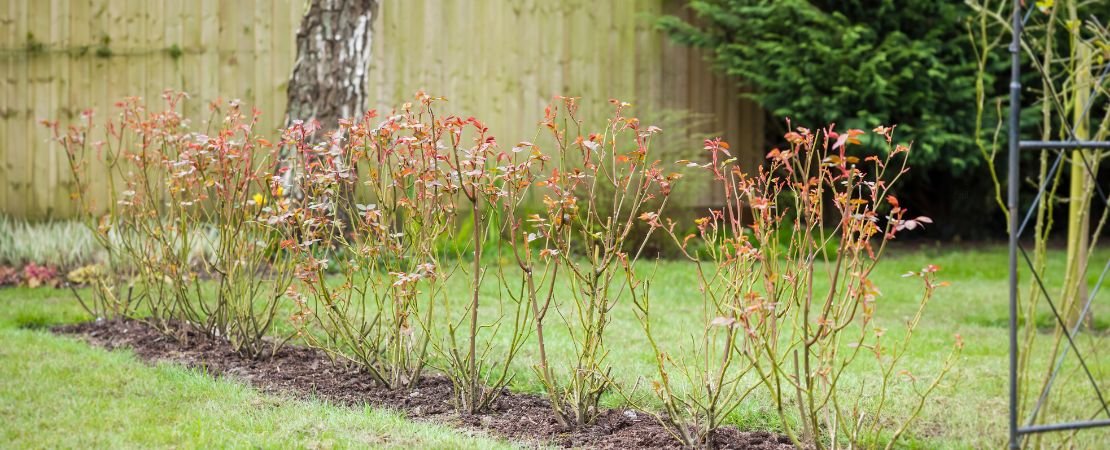
Southern Zones (Zone 8 and Higher)
With warmer weather, roses in Southern zones begin their growth cycle in February. This month’s tasks include starting a feeding routine, planting, and preparing beds for a productive season.
- Start Fertilizer Program: Once the first true sets of leaves appear, begin a regular feeding schedule. Use a balanced rose fertilizer to support vigorous growth. Feeding every 4-6 weeks will provide the nutrients necessary for early growth.
- Plant New Roses: February is an excellent month to plant new roses in Southern zones. Choose a sunny, well-drained location, dig a hole wide enough to accommodate the root ball, and water thoroughly to help establish roots.
- Cut Back Perennials: Trim back any perennials in the rose bed to promote new growth. Removing old foliage and stems opens space for sunlight and airflow, creating a healthier environment for roses.
- Add New Perennials as Needed: Consider adding perennials to complement your roses. Choose varieties that attract pollinators and enhance the garden’s appearance without overcrowding the roses.
- Prune for Structure: Prune roses to remove any dead, weak, or crossing canes, shaping them for balanced growth. Pruning now encourages strong branching and good airflow, which reduces disease risks as the season progresses.
- Apply Dormant Spray: Even in warmer climates, a dormant spray applied after pruning helps prevent early pest and disease issues. Use a dormant copper spray coupled with horticultural oil to help protect roses from fungal issues and insects that may be present. Mix the products and apply as per directions on the label.
- Refresh Mulch: Apply a 2-3 inch layer of mulch around the base of each plant to retain moisture, regulate soil temperature, and prevent weed growth. Keep mulch a few inches away from the canes to prevent rot.
- Soil Test and Adjustments: Conduct a soil test to assess pH and nutrient levels. Roses thrive in slightly acidic soil (pH 6.0-6.5). Adjust the soil as needed with amendments like lime or sulfur to optimize conditions for growth. A good soil test will give you guidelines on what to apply and how much.

Middle Zones (Zones 6 and 7)
In Middle zones, February is the ideal time to prepare roses for early spring growth. Pruning, soil care, and planting tasks this month will support a healthy start to the season.
- Begin Fertilization with New Growth: As soon as the first true leaves appear, start a regular fertilization schedule to nourish the plants. A balanced fertilizer provides essential nutrients for strong early growth and prepares roses for a robust blooming season.
- Plant New Roses: If the soil is workable, February is a good time to plant new rose bushes. Choose sunny spots with well-drained soil, plant deeply, and water well to support establishment.
- Cut Back Perennials in the Rose Bed: Prune back any surrounding perennials to clear space, allowing sunlight and airflow to reach the roses. Clearing out old growth encourages healthy new shoots.
- Prune Roses for Shape and Health: If you have not pruned already this might be your time to start. To determine when to prune Google the last frost date in your area using your zip code. Count back 6 weeks and that is when you should start pruning. Remove dead wood, weak canes, and any crossing branches. Shape the plant to encourage open growth, which improves airflow and reduces disease risks.
- Apply Dormant Spray: A dormant spray provides protection from common pests and fungal diseases. Use a dormant copper spray coupled with horticultural oil to help protect roses from fungal issues and insects that may be present. Mix the products and apply as per directions on the label.
- Add or Refresh Mulch: Add a 2-3 inch layer of mulch around each rose bush to retain soil moisture and regulate temperature. Mulching now also helps suppress weeds and nourishes the soil as it breaks down.
- Test Soil and Adjust Nutrients: Perform a soil test to check pH and nutrient levels. Use amendments like compost, lime, or sulfur based on the results to ensure a balanced soil environment that supports strong growth.

Northern Zones (Zone 5 and Lower)
In Northern zones, February is focused on preparing beds and plants for the upcoming spring while being mindful of late frosts. Start with soil care, light pruning, and preparing for new plantings.
- Plant New Roses When Conditions Allow: If the ground is thawed and workable, February might be suitable for planting new roses. Choose sunny, well-drained locations and water thoroughly after planting to support strong root establishment.
- Pruning Roses and Cutting Back Perennials Around Roses: While it’s too early to do this, there is a way to determine when to start. Google the last frost date in your area using your zip code. Count back 6 weeks and that is when you should start pruning and cutting back perennials. Trim back surrounding perennials to reduce competition for resources and improve sunlight and airflow. Clearing out old growth helps maintain a healthy bed environment.
- Apply Dormant Spray for Pest and Disease Prevention: A dormant spray protects roses from overwintering pests and fungal spores. This is especially important in cooler climates where fungal diseases are common. Do this after you prune and cut back perennials.
- Mulch for Winter Protection and Spring Growth: Check mulch levels around your roses, maintaining 4-6 inches if cold snaps are likely. This layer insulates roots and helps prevent frost heaving, preparing plants for spring.
- Soil Test and Amendments: Perform a soil test to gauge nutrient levels and pH. Adjust the soil as needed with compost or specific amendments, ensuring roses have an ideal environment for spring growth.
RESERVE ROSES FOR SPRING SHIPPING With these February tasks, you will set your roses up for a strong, healthy start to the growing season. Whether in warm Southern zones or frost-prone Northern regions, these care steps—feeding, pruning, mulching, and soil testing—will lay the groundwork for a beautiful, productive year in the rose garden.


