Choose Your Country

We have all been there. You plant a new rose with high hopes and give it thoughtful care, yet something still does not go quite as planned. Leaves yellow, blooms pause, or disease makes an appearance.
If that sounds familiar, you are in good company. Most rose challenges trace back to a few common missteps, and the good news is that they are all fixable. Below are seven of the most frequent rose gardening mistakes, along with practical steps to help your plants recover and grow stronger.

Roses need full sun and good air circulation. When planted too close to one another, or squeezed near trees, fences, or buildings, airflow is restricted. This creates ideal conditions for fungal diseases, which can weaken plants and reduce flowering.
If possible, relocate crowded roses to a sunny, open area with space for mature growth. Proper spacing improves airflow and helps foliage dry quickly after rain or watering. If disease is already present, supportive care with appropriate fertilizers and fungicidal treatments can help plants rebound.

While many plants tolerate overhead watering, roses are more susceptible to fungal diseases that thrive on damp leaves. Frequent wet foliage increases the risk of black spot, powdery mildew, and other common issues.
Direct water to the soil around the roots rather than the leaves. Roses develop deep root systems, so a slow, thorough watering will sustain them for several days. If overhead watering cannot be avoided, do it early in the morning so leaves dry quickly in the sun.
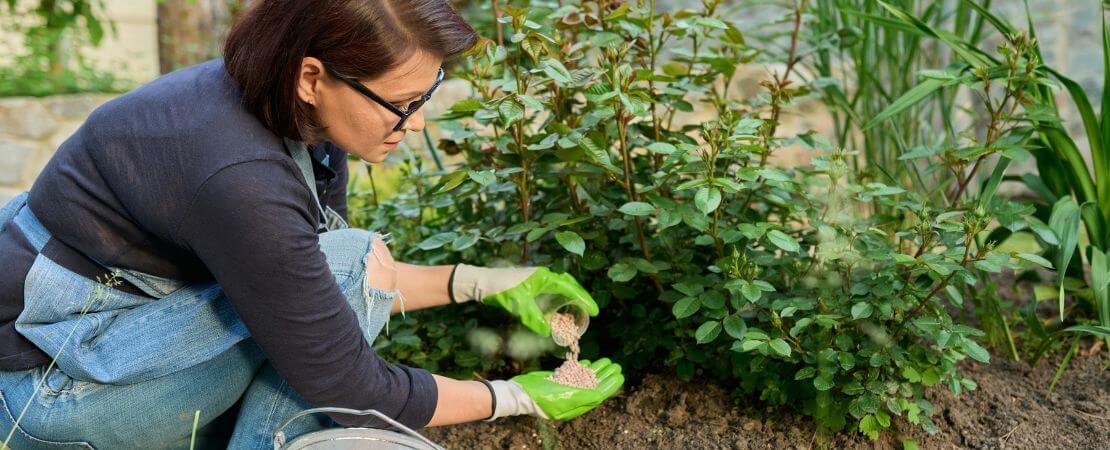
It is easy to assume more fertilizer means more blooms, but excess synthetic fertilizer can damage soil biology and cause salt burn. Yellow leaves and weak growth are often misread as hunger, when the real issue may be stress, pests, or disease.
Start with healthy soil enriched with compost and slow release nutrients. Before adding fertilizer, take time to diagnose the problem. Just as you would not treat every ailment with food alone, roses benefit from targeted care rather than blanket feeding.
Diseased leaves left on the plant or on the ground can reintroduce fungal problems year after year. Using dull or dirty pruning tools can also spread disease between plants.
Remove and dispose of diseased foliage. Do not compost it. Keep the area beneath your roses free of fallen leaves, and use sharp, clean pruning shears. Wiping blades with alcohol between plants helps prevent cross contamination.

The Mistake: Incorrect pruning
Pruning that is too cautious often means leaving too many canes in place or trimming only the tips. Over time, this creates a crowded plant with poor airflow through the center, which encourages disease and reduces bloom quality. On the other end of the spectrum, cutting roses back too hard can weaken growth and delay flowering. Both extremes can affect long term performance.
Aim to reduce overall height by no more than one third to one half. Remove dead or diseased wood, thin out weak canes, and open the center of the plant to improve airflow. On grafted roses, promptly remove any shoots growing from below the graft union to preserve the desired variety.
Seeing aphids, mites, or beetles can be frustrating, but broad spectrum insecticides often kill beneficial insects along with pests. Pollinators and predatory insects play an important role in a healthy garden ecosystem.
Hand pick pests when possible and encourage beneficial insects such as lady beetles and lacewings. For persistent issues, products containing neem oil can help manage pests while minimizing harm to pollinators.

After the first flush of flowers, roses naturally slow down, especially if spent blooms are left in place. Once a rose sets hips, it has little reason to produce more flowers.
Removing spent blooms encourages roses to keep flowering and can also reduce disease pressure. Deadheading redirects the plant energy back into bloom production, extending the season of color.

If you recognize yourself in one or several of these mistakes, take heart. Roses are resilient plants, and thoughtful adjustments often lead to noticeable improvement. Gardening is learned through experience, and even seasoned growers make corrections along the way.
With the right care, patience, and a little forgiveness for both yourself and your plants, your roses can recover and reward you for years to come.
If your rose looks “off” and you are not sure where to start, this quick checklist covers the most common causes. These four checks resolve most common issues.
Tip: If you changed more than one thing at once (watering plus fertilizer plus pruning), it can be hard to tell what helped. When possible, adjust one variable, then watch for improvement over the next 7 to 14 days.

