Choose Your Country


Royal Horticultural Society Award of Garden Merit 1993; Wister Award of the American Daffodil Society 2014
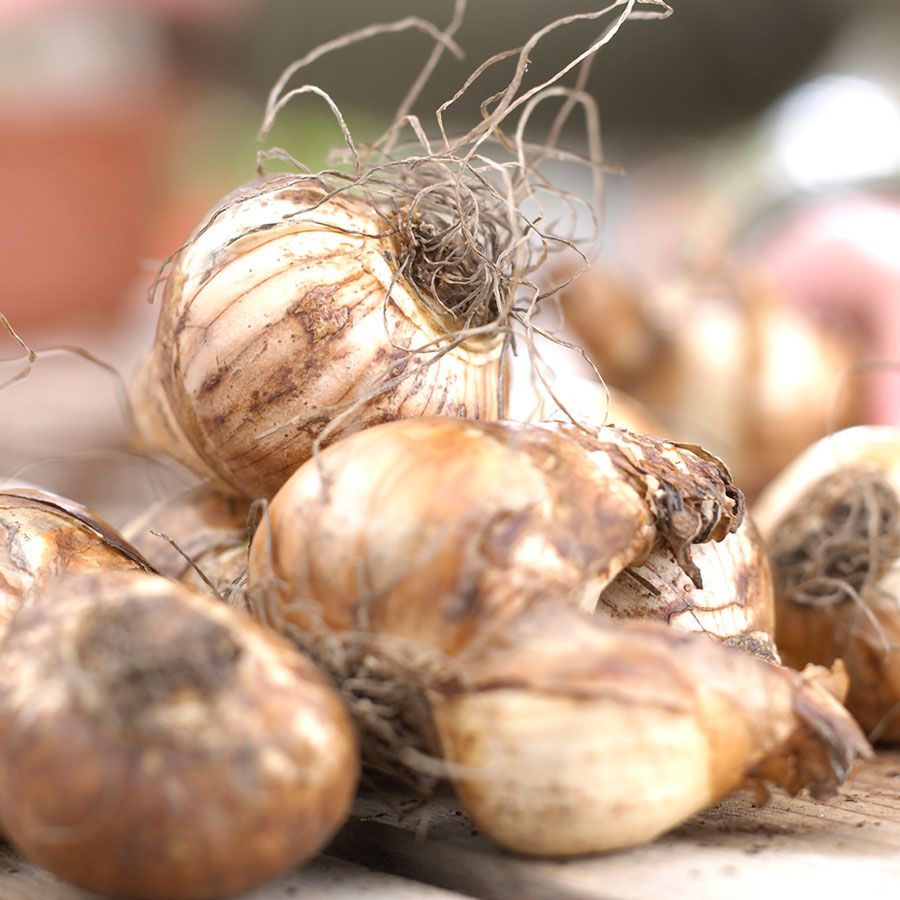
Plant Narcissus Pheasant's Eye daffodil bulbs in autumn before the first frost, and enjoy their beautiful blooms in late spring, just as most other daffodils begin to fade. This classic "poet's daffodil," a 1956 Lionel Richardson heirloom variety, remains one of the oldest and most cherished daffodils still in cultivation. Pheasant's Eye is beloved for its pure white flowers, each adorned with a bright yellow mini cup rimmed in red. Typically borne singly on long, slender stems that reach a mature height of 12 inches, these flowers emit a powerful, sweet fragrance that drifts through the garden or fills a room with its delightful scent. The fragrance is so enchanting that it is frequently used in the creation of fine French perfumes. The long-lasting blooms also attract pollinators, including butterflies and hummingbirds, and make elegant cut flowers for late-spring bouquets.
Pheasant's Eye, a variety of Narcissus poeticus (syn. N. poeticus var. recurvus), has an upright, clumping habit and a fast growth rate. It multiplies and naturalizes with ease, forming sprawling clumps of long, flat, strap-like leaves and producing showy blooms year after year. In ideal conditions, these daffodils can thrive for decades, adding timeless beauty to your garden. Best planted in groups or masses, Pheasant's Eye daffodils are versatile and work beautifully in mixed beds, borders, and containers. Consider planting them in large sweeping drifts in open woodland areas, under deciduous trees, or in smaller groupings in front of shrubs. They mix well with ground covers and other spring-blooming bulbs, and they can even be forced for indoor blooms during the winter months.
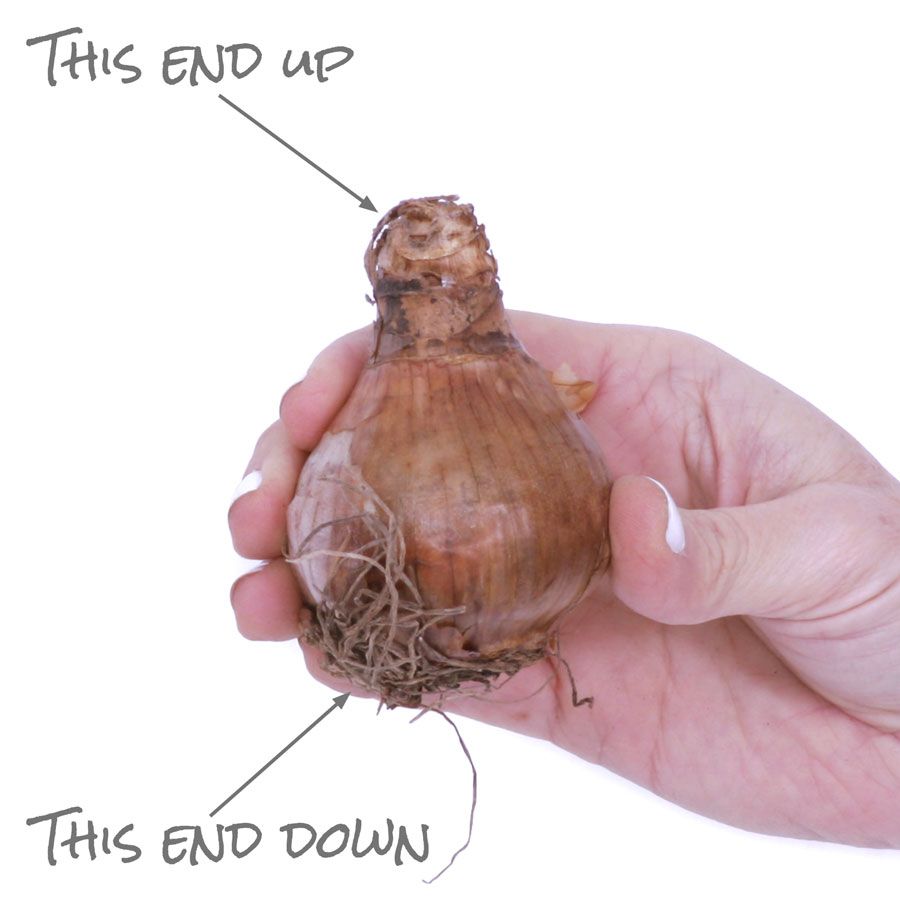
Narcissus Pheasant's Eye is a cold-hardy bulbous perennial, thriving in USDA Zones as low as Zone 3. This easy-to-grow and maintain daffodil is virtually foolproof, making it an excellent choice for gardeners of all levels. Pheasant's Eye daffodils prefer areas with cool winters and warm, dry summers, but they adapt well to most USDA Zones, provided there is a discernible winter. They grow best in sunny to partly shady locations with rich, fertile, well-draining soil that has a neutral to acidic pH. Water the daffodils during their growth period, but avoid overwatering, as bulbs do not tolerate wet feet. When planting, space the bulbs 8 inches apart and plant them 6 inches deep. To encourage robust flowering, feed the bulbs with a balanced fertilizer like Espoma Organic® Bulb-tone® Bulb and Flower Food as soon as new growth appears in the spring. After flowering, allow the foliage to die back naturally before cutting it away, as the leaves continue to nourish the bulbs, ensuring future growth and blooming. Pheasant's Eye daffodils are also relatively pest-free and deer-resistant, making them a reliable and low-maintenance choice for your garden.
For tips on creating a stunning spring bulb garden, check out our blog post on How to Plant a Spring Bulb Garden. And don't forget to visit our Garden Essentials page for all the tools and products you'll need to get started.
| Genus | Narcissus |
| Species | poeticus |
| Variety | Pheasant's Eye |
| Item Form | Pack of 12 |
| Zone | 3 - 8 |
| Bloom Start to End | Late Spring |
| Habit | Upright |
| Height | 12 in |
| Width | 8 in |
| Restrictions | *Due to state restrictions we cannot ship to the following: Canada, Guam, Puerto Rico, Virgin Islands, Alaska |
No Reviews Yet
Leave a Review
$@Recommendation.Price

