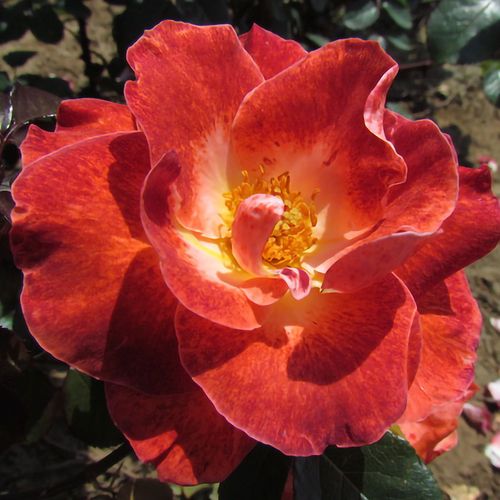
Rose Always and Forever™ Hybrid Tea PPAF
Enduring beauty from classically formed, perfectly sculpted blooms.
Recently Viewed
  • Rosa Sunshine Daydream PPAF

    Rosa 'Sunshine Daydream' PPAF

    $26.95 $21.56

  • Rose Queen Elizabeth Grandiflora

    Rose 'Queen Elizabeth' Grandiflora

    $17.95

  • Rosa Lace Cascade PP#8,689

    Rosa 'Lace Cascade' PP#8,689

    $15.95

  • Rosa  Knock Out® PP#11,836

    Rosa Knock Out® PP#11,836

    $19.95

  • Rosa In the Mood™ PPAF

    Rosa In the Mood™ PPAF

    $16.95

Share Rose Always and Forever™ Hybrid Tea PPAF

Rose Always and Forever™ Hybrid Tea PPAF

Item # 31071
$17.95
Buy 3+ at $15.95
Buy 4+ at $14.98
Buy 6+ at $14.32
Buy 8+ at $13.74
Item is sold out.

Enduring beauty from classically formed, perfectly sculpted blooms.

Perfect for container or garden.
As classic and romantic as love itself, this year's Rose of the Year® exudes a classic beauty, reminiscent of nostalgic roses of yesteryear. Nothing rivals the beauty of a long-stemmed, velvety red rose, and that's exactly what you'll get with Always and Forever™ -- the perfect size for a container on the patio as well as the rose garden!

Each elegant, high-centered bud slowly unfurls to reveal a gorgeous 5-inch bloom that lasts and lasts in the vase. With a tall growth habit and dark green glossy foliage, it also makes an excellent landscape plant. Treat yourself to decades of romantic beauty and superb performance with Always and Forever™! (PPAF) Exclusive.

Genus Rosa
Variety Always and Forever™
PPAF PPAF
Bloom Season Early Summer - Late Summer
Zone 5 - 9
Plant Height 5 ft 6 in
Plant Width 5 ft 6 in
Bloom Size 5 in
StemLength 16 in - 20 in
Item Form Bareroot
Bloom Color Red
BudShape Ovoid, Pointed
Foliage Color Dark Green, Glossy
Fragrance Light
Light Requirements Full Sun
Season Of Interest Summer
Restrictions CAN, PR
Have you browsed through your favorite gardening catalog or website looking for the newest roses to plant in your garden and wondered whether it would be best to choose bareroot roses or those in nursery pots? Or does it matter? If you’re like most rose gardeners, this question has come up at one point or another. And we want to help you find the answer as to what’s the best for you and your garden.

Bareroot roses are an inexpensive and easy option for early-season planting. In fact, late winter is the best time to plant. Bareroot roses are two-year, fully established plants that meet the highest industry standards. They arrive dormant, which makes them ideal for planting. The roots get to acclimate to native soil, as opposed to the packaged soil. And of course, since they aren’t in soil when you get them, there’s no mess to contend with.

Bareroot roses may look dead, with their brown roots and dormant stem, but plants that arrive this way actually have the advantage of being able to focus their energies on strong root development rather than having to support an extensive growth of leaves during planting, which is very stressful.

You can plant your bareroot roses earlier in the growing season as well, since there aren’t any leaves to get nipped back by frost. They can typically be planted as early as six weeks before your area’s last frost date in the spring and no later than two weeks after that average date. Since they don’t have to provide water to leaves or flowers, they usually establish faster than those that arrive in containers.

Container roses should typically be planted in late spring. They’re easy to plant (all you need is a trowel), and they provide instant gratification, as they aren’t dormant and will have buds within a few short weeks, if they don’t when they arrive. They’re also perfect for transplanting into decorative containers and make an attractive gift.

Container roses are usually nicely leafed out, and may even have flowers on them, which is a great way for you to know when you purchase them what they’re going to look and smell like. The downside of this is that the plants have to focus some of their energy on sustaining the blooms, rather than being able to focus it all on root development.

As you can see, there are advantages and disadvantages to both bareroot or container roses, but whichever you decide is the best for your garden, we feel certain you’ll become a lifelong rose lover, if you aren’t already!

Overall Rating: 5 Stars
Average Based on 1 Reviews Write a Review
The Valentines Day gift that gave all summer long
Cap'n Bill from NC wrote (February 09, 2012):
I purchased 3 of these last year as a Valentine's Day gift for My Lovely Bride and even though they were not in season to be shipped until about a month later, when I planted them for her, the roses came all summer long and into November here in the Charlotte area of NC. We must have netted 400 or more roses from 3 bushes and you won't get more than a dozen from a florist at that price. I'm ordering 4 more today.

Easy as 1-2-3

Back to Gardening Tips


Anyone can grow roses - all that's needed is a spot with 6 hours of sun a day. Roses are even well suited to container growing, so you don't have the excuse of no garden space!

When your roses arrive, open the box immediately and soak roots in lukewarm water for 12 to 24 hours. If you can't plant them right away, you may leave them in their boxes for up to a week in a cool, dark place. Sprinkle roots with water every few days. (Please note: You can also grow roses in containers that are at least as big as a bucket.)

Dig a hole about 18" deep and 24" wide. Make sure it's large enough to give the roots plenty of room to develop after planting. Loosen the soil at the bottom and sides. Build a mound in the center of the hole and set rose on top. For vigorous growth, abundant blooms and lush foliage, try adding J&P's Root Boost to the soil. It promotes more efficient transport of water and nutrients throughout your new rose plant.

Fill the hole with two thirds of the remaining soil. Add water, let it soak in, then finish filling the hole. Tamp down lightly to remove air pockets and water well. Spread mulch around the plant to suppress weeds and retain moisture. Water 3-4 times a week until leaves begin to grow, weekly thereafter.

Shop Roses

Find your Climate/Planting Zone

Simply enter your zip code to find your area's climate zone, and then review our Summer or Winter Care of Roses for detailed information for growing roses in your region. Click here for the zone map

Seasonal advice and suggestions for maintaining your roses.

Summer Care of Roses

Winter Care of Roses

Climbing Roses

Versatile climbers function as charming cover up and take garden color to new heights. Click here to learn more.

Grower's Corner

A series of gardening articles from Mike Cady, Horticulturist, J&P.

Click here for the latest article.